Stone cladding has become a popular choice for both interior and exterior applications due to its unique blend of natural beauty, durability, and versatility. In this article, we will delve into the reasons why use stone cladding in your construction projects, exploring its benefits, applications, and how it can enhance your property's value.
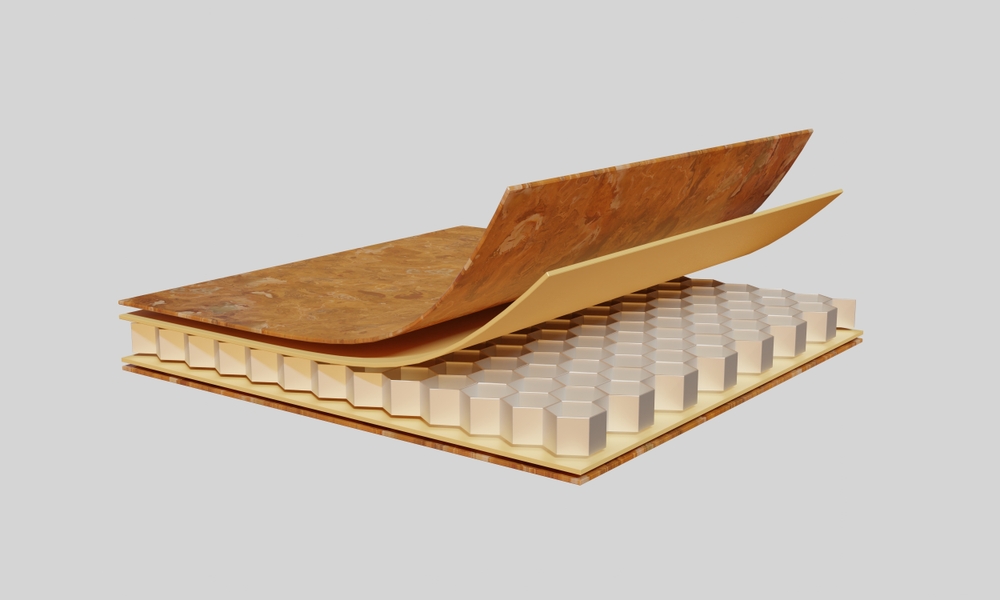
Stone cladding is a layer of material applied to the exterior or interior of a building structure to improve its appearance while providing additional protection. Unlike traditional stone pieces that require extensive labor for installation, stone cladding offers a more efficient solution with pre-fabricated panels that are easier to install.
Before diving deeper into why use stone cladding, let's highlight some key advantages:
One of the primary reasons people opt for stone cladding is its unparalleled aesthetic appeal. Natural materials have gained popularity due to their organic nature and ability to add depth and character to any space.
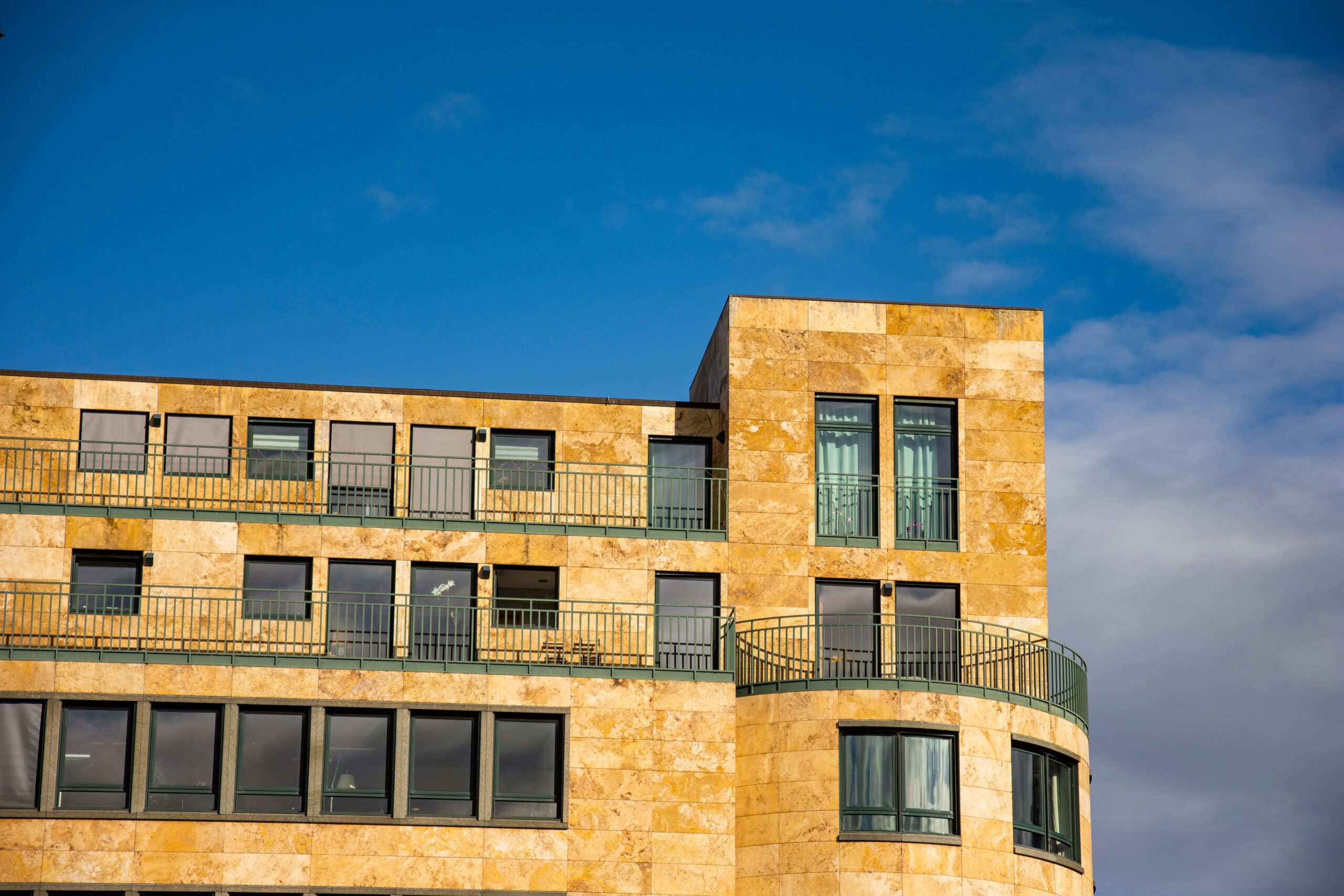
Stone claddings come in a wide range of colors from cool grey tones like Lang Lang stones1to warm brown tones reminiscent of Grampians stones1. Each piece has its own unique imperfections formed over thousands of years, making every installation distinct.
| Type | Description | Color Range |
| Limestone | Soft texture with fossilized remains | Creamy whites |
| Granite | Coarse-grained with speckled patterns | Dark greys & blacks |
| Sandstone | Fine-grained with earthy tones | Warm beiges & browns |
Internally, stone wall claddings are perfect for creating focal points such as feature walls around fireplaces or dividing open-plan spaces. The natural texture connects indoor architecture seamlessly with outdoor landscapes when used in conjunction with large windows or glass doors.
Another compelling reason why use stone cladding is its robust nature. It outperforms many other materials in terms of longevity and resistance against harsh environmental conditions.
Stone is non-porous compared to wood or concrete alternatives7, making it highly resistant against water damage. Additionally, it withstands extreme temperatures without losing integrity over time5.
| Material | Water Resistance | Fire Resistance |
| Wood | Low | Moderate |
| Concrete | Moderate | High |
| Natural Stone (Clad) High High |
Natural stone is inherently fire-resistant37, which makes it an excellent choice for areas prone to wildfires or where safety regulations require high standards against combustion risks.
The versatility of natural stone allows it to be used across various settings—both indoors and outdoors—making it suitable for diverse architectural styles from modern homes to historical buildings.
Externally, stone wall panels can transform building façades by adding layers of texture that enhance visual interest. They are also ideal around outdoor kitchens or poolside areas where they provide both aesthetic appeal and durability under constant exposure1.
Internally, besides being used as feature walls or fireplace surrounds mentioned earlier:
One significant advantage when considering why use natural stone wall claddding lies in its ease-of-installation process compared traditional masonry techniques requiring individual selection fitting each piece manually onto site-built structures
This streamlined process reduces labor costs significantly because pre-sized tiles eliminate much guesswork during preparation stages prior actual laying begins; interlocking corner elements further simplify finishing touches needed achieve desired seamless look throughout entire surface area covered by these panels
Additionally swan-smooth backing ensures better adhesion onto substrates reducing likelihood errors occurring during application phase itself thus saving valuable resources otherwise spent rectifying mistakes post-completion stage
Here’s how these factors contribute towards cost-effectiveness:
1. Reduced Labor Time
2. Lower Material Waste
3. Fewer Errors During Installation
These aspects make natural stonewall claddding not only visually appealing but also economically viable option especially when long-term maintenance savings factored into overall equation