Building facades are the first thing people notice about a structure. Keeping them clean is not just about aesthetics; it’s essential for the longevity, value, and safety of the property. Whether you own a commercial building, residential complex, or historical structure, understanding the best practices for building facade cleaning is crucial.
Cleaning the facade of a building is more than just a cosmetic task. It serves several vital functions that impact the building's overall health and the owner's peace of mind.
Over time, building facades accumulate dirt, pollutants, mold, and other harmful substances. These can cause the building materials to deteriorate, leading to structural damage if not addressed. Regular cleaning helps prevent this by removing these harmful elements before they can cause significant harm. For example, pollutants like sulfur dioxide can react with materials like limestone, leading to erosion and weakening of the structure.
A well-maintained facade enhances a building’s curb appeal, which can significantly increase its market value. Potential buyers or tenants are more likely to be attracted to a property that looks clean and well-cared for. On the contrary, a dirty, neglected facade can deter interest and lower the property's value.
In many areas, maintaining a clean building facade is not just about appearance but also about adhering to local regulations. Some jurisdictions have strict guidelines on facade maintenance, especially for commercial and historical buildings. Regular cleaning ensures that the property complies with these regulations, avoiding potential fines and legal issues.
Choosing the right method for facade cleaning depends on various factors, including the type of building material, the extent of dirt and grime, and environmental considerations. Here are the most common methods used today:
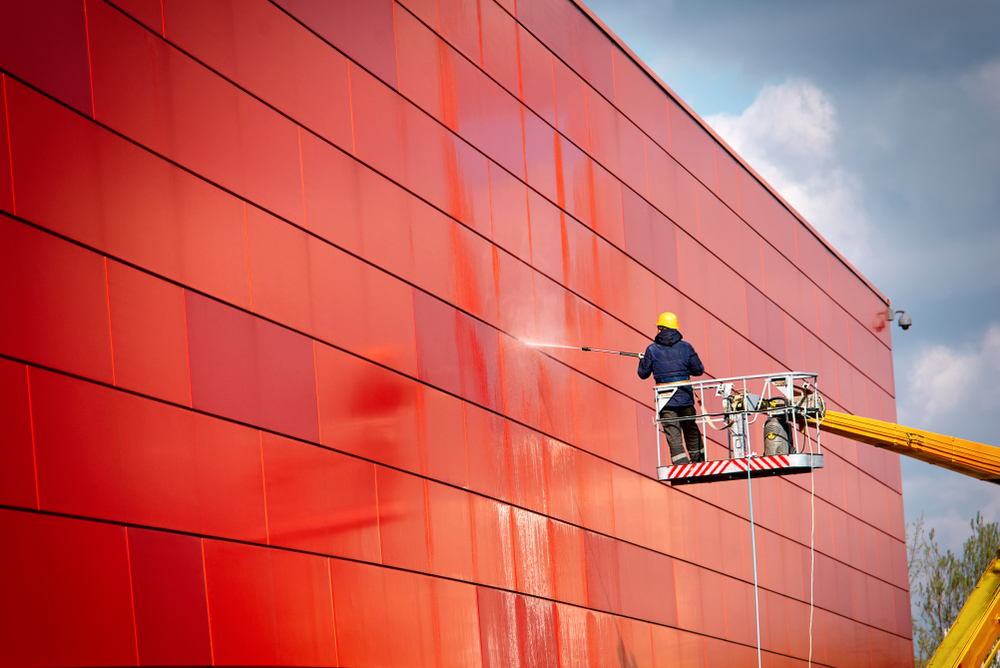
Pressure washing is one of the most common methods for cleaning building facades. It uses high-pressure water to remove dirt, mold, and grime from surfaces. This method is particularly effective on concrete, brick, and other hard surfaces. However, it should be used cautiously on older or more delicate materials, as the high pressure can cause damage.
Soft washing uses lower pressure and specialized cleaning solutions to remove dirt and organic matter from facades. It’s an excellent option for more delicate surfaces, such as stucco, wood, and vinyl, where high-pressure washing might cause damage. The cleaning solution breaks down dirt and grime, which is then gently rinsed away with water.
Chemical cleaning solutions are often used for facades that require more than just water to remove stubborn stains or pollutants. These solutions are designed to break down specific types of dirt, such as grease or rust. However, they must be used carefully to avoid damaging the building material or harming the environment.
Steam cleaning uses high-temperature steam to clean building facades. This method is effective for removing organic stains, such as mold and algae, and is often used for historical buildings where chemical cleaners might be too harsh. Steam cleaning is gentle on the facade but may not be suitable for all materials, especially those sensitive to heat.
Abrasive cleaning methods, such as sandblasting, involve the use of abrasive materials to remove tough dirt, paint, or corrosion from facades. These methods are generally reserved for surfaces like metal or stone where other cleaning methods have failed. Abrasive cleaning should be done with caution, as it can erode the building material if not applied correctly.
Advancements in technology have led to new and innovative facade cleaning methods. For example, robotic cleaners are now being used for high-rise buildings, reducing the need for scaffolding and making the process safer and more efficient. Drones equipped with cleaning tools are also being explored for hard-to-reach areas. Additionally, the development of eco-friendly cleaning agents has made it easier to clean facades without harming the environment.
The cost of building facade cleaning can vary widely depending on several factors. Understanding these factors can help property owners budget appropriately and make informed decisions.
Several factors can influence the cost of facade cleaning, including the size and height of the building, the type of material used in the facade, the extent of dirt and grime, and the cleaning method chosen. For example, a small residential building with a simple brick facade will cost significantly less to clean than a large commercial skyscraper with intricate stonework.
Yes, different cleaning methods come with different price tags. Pressure washing is generally more affordable, while methods like steam cleaning or the use of chemical solutions can be more expensive due to the specialized equipment and materials required. Abrasive cleaning methods and advanced technologies, such as robotic cleaners, can also add to the cost.
To budget for facade cleaning, property owners should consider the frequency of cleaning needed, the size of the building, and the preferred cleaning method. It’s also wise to get multiple quotes from professional cleaning companies to compare costs. Some companies may offer maintenance contracts that can help spread the cost over time, making it more manageable.
For those on a tighter budget, there are cost-effective alternatives to traditional cleaning methods. For example, property owners can opt for spot cleaning, which targets only the most visibly dirty areas, rather than cleaning the entire facade. DIY cleaning using store-bought cleaning solutions and equipment can also be a more affordable option, though it may not be as effective as professional cleaning.
With increasing awareness of environmental issues, it’s important to consider the environmental impact of facade cleaning. This includes the effects of cleaning solutions, water usage, and waste disposal.
Chemical cleaning solutions can have significant environmental impacts if not used correctly. They can contaminate water sources, harm plant life, and pose risks to wildlife. To minimize these impacts, it’s essential to use eco-friendly, biodegradable cleaning solutions and follow proper disposal procedures.
Eco-friendly cleaning practices include using environmentally safe cleaning agents, minimizing water usage through efficient cleaning methods, and ensuring that any waste is disposed of responsibly. Companies that specialize in green cleaning often use these practices as part of their services. Property owners should ask potential cleaning companies about their environmental policies and choose one that aligns with their values.
Yes, there are regulations on waste disposal for facade cleaning, particularly when chemical solutions are involved. These regulations vary by location but generally require that waste be disposed of in a way that does not harm the environment. This may include neutralizing chemicals before disposal or using specialized waste disposal services.
The frequency of facade cleaning depends on several factors, including the type of building material, the local climate, and the building’s exposure to pollutants.
Factors such as location, weather conditions, and the type of material used in the facade all play a role in determining how often a building’s facade should be cleaned. For instance, buildings in urban areas with high pollution levels may require more frequent cleaning than those in rural areas.
Yes, different building materials have different cleaning needs. For example, brick facades may need to be cleaned every two to three years, while glass or metal facades might require annual cleaning to maintain their appearance and structural integrity. Stone facades, especially those on historical buildings, may need specialized cleaning at intervals determined by conservation experts.
Climate can significantly impact the need for facade cleaning. In humid climates, buildings are more prone to mold and algae growth, which can necessitate more frequent cleaning. In contrast, buildings in dry, dusty environments may require regular cleaning to remove dust and dirt. Extreme weather events, such as storms or heavy rains, can also leave facades dirtier and in need of cleaning.
Choosing the right facade cleaning service is crucial for ensuring that the job is done effectively and safely. Here’s what to consider:
When hiring a facade cleaning company, it’s essential to look for qualifications such as experience, licensing, and insurance. A company with a proven track record in facade cleaning will have the expertise to handle various materials and cleaning methods. Licensing ensures that the company is authorized to operate, and insurance protects you in case of any damage during the cleaning process.
To verify the quality of a cleaning service, ask for references or check online reviews from previous clients. You can also request to see before-and-after photos of previous projects. A reputable company should be transparent about their work and willing to provide evidence of their quality.
Before hiring a facade cleaning service, ask questions about their experience, the cleaning methods they use, and their environmental practices. It’s also important to inquire about their safety protocols, especially if the building is tall or has challenging architectural features.
A maintenance contract can be beneficial for property owners who want to ensure their building’s facade remains in good condition. These contracts typically include scheduled cleanings at regular intervals,
Neglecting the regular cleaning of a building's facade can lead to various issues that not only affect the building's appearance but also its structural integrity, financial health, and even the well-being of its occupants.
Over time, dirt, grime, and other pollutants can accumulate on the facade of a building. These substances often include acidic compounds like sulfur dioxide, which can corrode building materials. For example, concrete can suffer from surface degradation, and metals may experience rusting or oxidation. Organic growths like mold or algae can penetrate porous materials like stone or brick, causing them to weaken and deteriorate. The continuous exposure of a building facade to these elements without regular cleaning can lead to serious structural issues, compromising the safety and durability of the building.
Yes, neglecting facade cleaning can lead to expensive repairs. When dirt, grime, and pollutants are allowed to accumulate, they can cause irreversible damage to the building materials. For instance, the corrosion of metal components or the erosion of stone surfaces might necessitate significant restoration efforts. In severe cases, entire sections of the facade may need to be replaced, leading to substantial costs. Preventive maintenance, including regular cleaning, can help avoid these costly repairs by addressing minor issues before they escalate into major problems.
An unclean building facade can also pose health risks to the building's occupants and visitors. Accumulated dirt and grime can harbor mold, mildew, and other harmful microorganisms. When these spores become airborne, they can cause respiratory issues, allergies, and other health problems. Additionally, pollutants that accumulate on the facade, such as soot and dust, can contribute to poor air quality, both inside and outside the building. Regular facade cleaning helps to mitigate these health risks by removing harmful substances before they can affect the health of the building's occupants.
Regular facade cleaning significantly enhances the aesthetic appeal of a building. Over time, exposure to environmental elements like rain, pollution, and dust can leave a building looking dull and dirty. A clean facade restores the building's original appearance, making it look fresh and well-maintained. This not only improves the visual appeal of the building but also creates a positive impression on visitors, potential buyers, or tenants. In the case of commercial properties, a clean and attractive facade can also contribute to a business's professional image.
There are several signs that indicate a building's facade is in need of cleaning:
Recognizing these signs early and taking action can prevent further damage and maintain the building’s appearance and integrity.
The duration of a facade cleaning process depends on several factors, including the size of the building, the extent of dirt and grime, the cleaning method used, and the type of materials involved. For a standard-sized commercial building, the process can take anywhere from a few hours to a couple of days. Larger or more complex structures, such as high-rise buildings or those with intricate architectural details, may require several days or even weeks to complete. Additionally, factors like weather conditions and the accessibility of the facade can also influence the time required for cleaning.
While there are DIY options for facade cleaning, they are generally recommended for smaller buildings or less complex surfaces. Homeowners can use pressure washers, soft washing kits, or eco-friendly cleaning solutions available at hardware stores to clean facades. However, it’s important to note that DIY facade cleaning carries risks, such as potential damage to the building materials or personal injury, especially if the proper techniques and safety precautions are not followed. For larger or more complex buildings, or if there are significant stains or pollutants to be removed, it is usually best to hire a professional facade cleaning service.
Safety is paramount during facade cleaning, particularly for taller buildings or those with challenging architectural features. Some key safety precautions include: