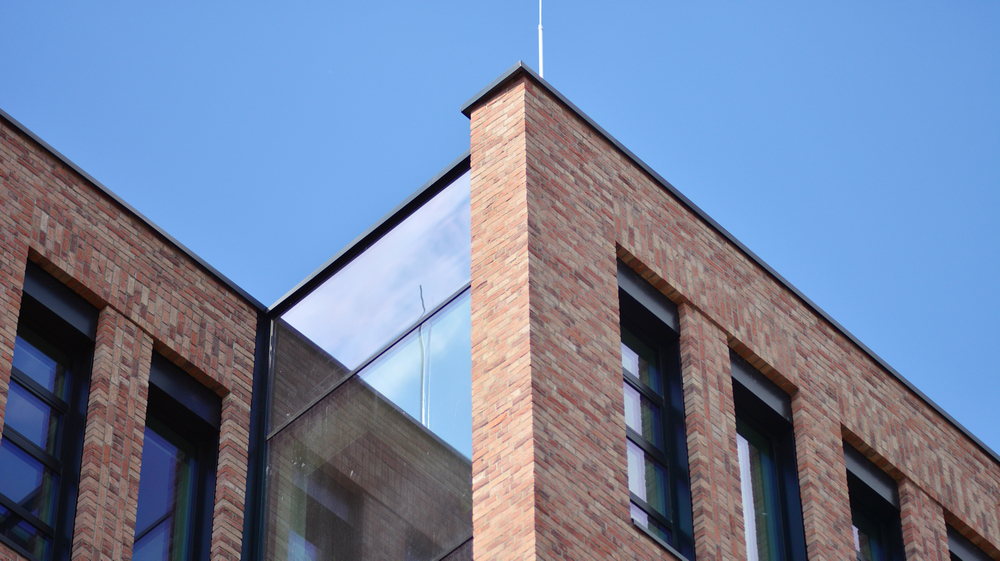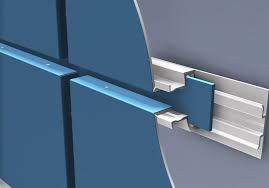
A brick facade is a type of exterior wall finish that consists of a layer of bricks applied to the outer surface of a building. This construction technique serves both aesthetic and functional purposes, providing a durable and visually appealing exterior. Brick facades can be constructed as solid masonry walls or as veneer, where the bricks are not load-bearing and are attached to a structural frame. The use of bricks, which are typically made from fired clay, gives these facades their characteristic texture and color, making them a popular choice in various architectural styles.
Brick facades differ from other types of facades, such as stucco, wood, or metal, primarily in their material composition and structural characteristics. While materials like stucco or vinyl siding may offer a lightweight and cost-effective solution, brick facades are known for their longevity and low maintenance requirements. Unlike other facades, brick facades provide excellent thermal mass, helping to regulate indoor temperatures, and they are less susceptible to damage from weather elements. The durability of brick also contributes to its resistance to rot, pests, and fire, setting it apart from materials that may require more frequent replacement or repair.
The popularity of brick facades in architecture can be attributed to several factors:
There are primarily three types of brick facades: solid brick facades, veneer brick facades, and cavity wall brick facades. Each type has unique characteristics and applications, catering to different architectural needs and preferences.
A solid brick facade consists of multiple layers of bricks that provide structural support to the building. This type of construction is often referred to as solid masonry or double brick. Solid brick facades are typically thicker and can support heavier loads, making them suitable for larger buildings or those that require additional strength.
A veneer brick facade is a single layer of bricks attached to a structural frame, such as wood or steel. Unlike solid brick facades, veneer facades do not provide structural support; instead, they serve as a decorative exterior layer. This type of facade is popular in residential construction due to its cost-effectiveness and ease of installation.
A cavity wall brick facade consists of two layers of brick with a space, or cavity, between them. This design allows for insulation and moisture control, as the cavity can accommodate drainage systems and ventilation. Cavity wall facades are particularly effective in preventing water infiltration and improving energy efficiency.
The construction of a brick facade involves several steps, including site preparation, laying the foundation, and installing the bricks. For solid brick facades, multiple layers of bricks are stacked and bonded together using mortar. In contrast, veneer brick facades are typically installed over a structural frame, with bricks laid horizontally and secured with ties.
The primary materials used in brick facade construction include:
Mortar plays a crucial role in brick facades by providing structural integrity and weather resistance. It fills the gaps between bricks, creating a strong bond that holds the facade together. Additionally, mortar helps to prevent water infiltration by sealing joints and providing a barrier against moisture.
The installation process for a brick veneer facade typically involves the following steps:
Common methods for securing brick facades include:
Brick facades provide insulation through their thermal mass, which helps to regulate indoor temperatures. In cavity wall designs, insulation materials can be added within the cavity to enhance energy efficiency. Additionally, the design of brick facades, particularly with weep holes, allows for moisture control by facilitating drainage and ventilation, reducing the risk of water damage.
Brick facades are known for their durability, often lasting for decades or even centuries with proper maintenance. The inherent properties of brick make it resistant to rot, pests, and fire, contributing to its longevity. However, factors such as weather conditions, installation quality, and maintenance practices can affect the lifespan of a brick facade.
Common maintenance practices for brick facades include:
Repairing a brick facade typically involves:
Signs of wear and tear on brick facades may include:
With proper maintenance, a brick facade can last 50 years or more. Solid brick facades tend to have a longer lifespan due to their structural integrity, while veneer facades may require more frequent repairs depending on the quality of installation and maintenance.
A brick facade significantly impacts a building's aesthetics by adding texture, color, and character. The choice of brick type, color, and pattern can enhance the overall design, making it more visually appealing. Brick facades can complement various architectural styles, from traditional to contemporary.
Brick facades come in a wide range of colors, including:
Choosing the right brick style for a facade involves considering factors such as:
Current design trends in brick facades include:
Brick facades are energy efficient due to their thermal mass, which helps to regulate indoor temperatures. This property can reduce the need for heating and cooling, leading to lower energy costs. Additionally, cavity wall designs allow for insulation, further enhancing energy efficiency.
The environmental impact of brick facades can be both positive and negative. On one hand, brick is a natural material that can be sourced sustainably. On the other hand, the production of bricks can involve significant energy consumption and emissions. However, the longevity and durability of brick facades contribute to reducing the need for frequent replacements, which can offset some of the initial environmental costs.
Yes, brick facades can be sustainable when sourced from environmentally responsible manufacturers and combined with energy-efficient design practices. Using reclaimed or recycled bricks can also enhance sustainability by reducing waste and conserving resources.
Brick facades can contribute to green building standards by:
The cost of installing a brick facade can vary widely based on factors such as the type of brick, labor costs, and the complexity of the design. On average, homeowners can expect to pay between $10 to $25 per square foot for brick veneer installation, while solid brick facades may cost more due to the additional materials and labor involved.
When compared to other facade materials, brick facades tend to be more expensive than options like vinyl siding or stucco but may be comparable to high-quality materials such as stone or fiber cement. The long-term durability and low maintenance requirements of brick can make it a cost-effective choice over time.
The return on investment (ROI) for a brick facade can be significant, as it enhances the property's curb appeal and overall value. Homes with brick facades often sell for higher prices compared to those with less durable materials. Additionally, the energy efficiency of brick can lead to lower utility bills, further contributing to its ROI.
Yes, a brick facade can increase property value due to its aesthetic appeal, durability, and low maintenance requirements. Potential buyers often view brick as a premium material, making properties with brick facades more attractive in the real estate market.
Common issues faced with brick facades include:
To prevent water infiltration in brick facades, consider the following measures:
Solutions for cracks in brick facades may include:
To handle color fading in brick facades, consider:
Several notable buildings feature brick facades, showcasing the versatility and beauty of this material:
Brick facades have been employed in various architectural styles, including:
The evolution of brick facades in modern architecture reflects changes in design philosophy and technology. Early 20th-century buildings often showcased solid brick construction, emphasizing durability and strength. In contrast, contemporary designs frequently utilize brick veneer and cavity wall systems, allowing for greater flexibility in design while maintaining the aesthetic appeal of brick.
The installation time for a brick facade can vary based on the size of the project and the complexity of the design. On average, homeowners can expect the installation process to take anywhere from a few days to several weeks.
Yes, brick facades can be retrofitted onto existing buildings, particularly in the form of veneer. This process typically involves attaching a layer of bricks to the exterior of the building, enhancing its appearance and durability.
The terms "brick facade" and "brick cladding" are often used interchangeably, but they can refer to slightly different concepts. A brick facade typically denotes a decorative exterior layer that may or may not provide structural support, while brick cladding specifically refers to a non-structural layer of bricks applied to a building's exterior.
Brick facades are suitable for a wide range of climates due to their durability and thermal properties. However, proper installation and maintenance are crucial to ensure that they perform well in extreme weather conditions.
When choosing a contractor for brick facade installation, consider the following factors:
In conclusion, understanding what a brick facade is and its various types, benefits, and considerations can greatly enhance your knowledge of architectural design and construction. Whether you are planning a new build or considering renovations, brick facades offer a timeless and durable solution that combines aesthetic appeal with practical benefits.