When it comes to enhancing the aesthetic appeal and durability of a building, wall cladding is an essential element. Among various materials, natural stones are highly sought after due to their timeless beauty and resilience. The question often arises: which stone is good for wall cladding? In this article, we will delve into the world of natural stones, exploring their types, benefits, and how to choose the perfect one for your project.
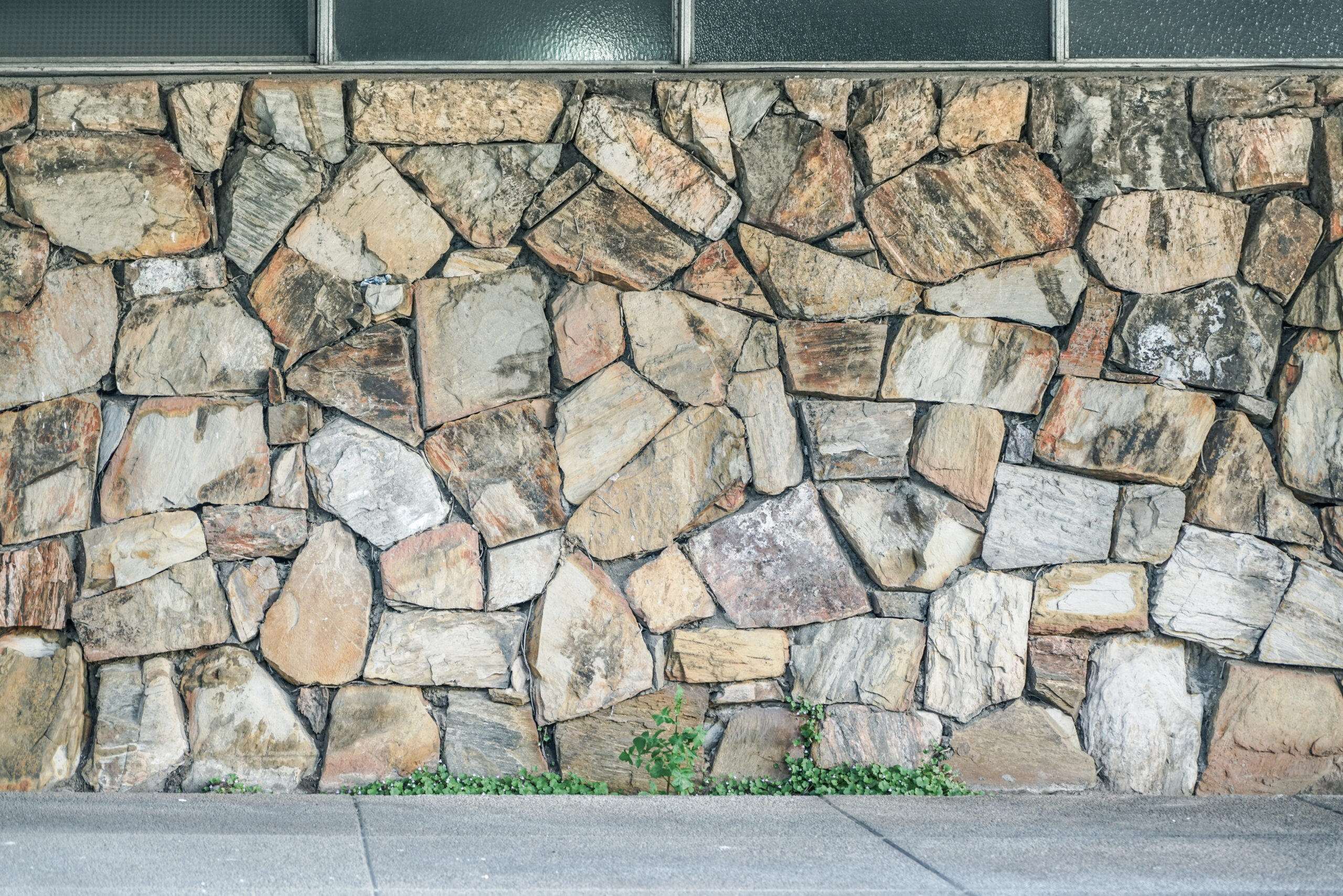
Natural stones have been used in construction for centuries due to their beauty and resilience. They come in a variety of forms such as granite, limestone, sandstone, quartzite, marble among others. Each type offers distinct features that make them suitable for specific applications.
When considering which stone is good for wall cladding, it's crucial to understand the different types available:
| Stone Type | Durability | Aesthetic Appeal | Maintenance Requirements |
| Granite | High | Excellent | Minimal |
| Limestone | Good | Elegant | Moderate |
| Sandstone | Fair | Earthy | Regular Sealing Required |
Besides granite, limestone, and sandstone:
Bluestone is known for its distinctive blue-grey hue making it visually appealing on exterior walls2. It offers durability against weather conditions with various finishes available like sawn or honed2.
Made from limestone and dolomite2, Jerusalem stone provides classic yet versatile options with warm tones suitable for outdoor applications2.
Quartzite stands out due to its strength similar or even surpassing granite’s durability while offering unique stylish appearances13.
Choosing the right stone involves several factors:
Different climates demand specific properties from stones:
| Stone Type | Average Cost per Square Foot (USD) |
| Granite | $15-$30 |
| Limestone | $10-$25 |
| Sandstone | $8-$20 |
Besides natural stones like granite or limestone that are popular choices when considering which stone is good:
Artificial alternatives offer affordability without compromising on aesthetics:
Made from lightweight materials mimicking real stone; ideal DIY projects as they're easy-to-install at lower costs compared traditional methods involving heavy lifting equipment needed transport heavier slabs onto site locations far away homes under renovation etcetera!
Combines cement aggregates pigments creating realistic appearances similar those found nature yet priced affordably across various styles colors making them accessible wider audience seeking budget-friendly solutions without sacrificing visual appeal whatsoever!