Thin stone cladding is a revolutionary building material that has transformed modern architecture. Combining the timeless beauty of natural stone with the practicality of lightweight construction, it offers a versatile solution for both exterior and interior surfaces. In this article, we’ll explore what thin stone cladding is, its key features, benefits, applications, and much more. Whether you’re an architect, builder, or homeowner, this guide will provide you with all the information you need to understand this innovative material.
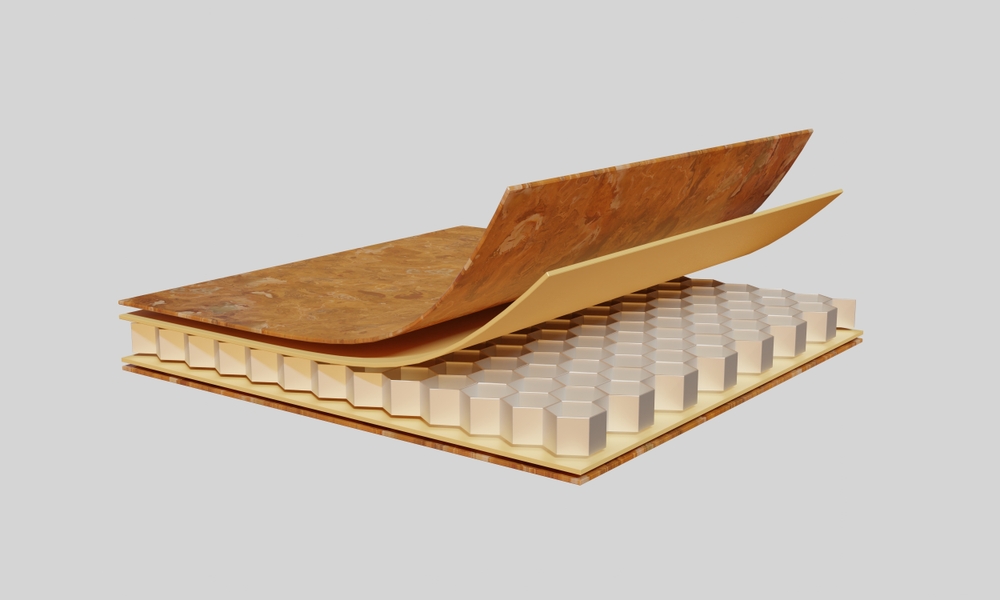
Thin stone cladding refers to the use of thin slices of natural stone, typically ranging from 1 cm to 3 cm in thickness, to cover the exterior or interior walls of a structure. Unlike traditional stone masonry, which uses thick, heavy blocks, thin stone cladding provides the same aesthetic appeal without the added weight and cost. This method is widely used in modern construction for its durability, versatility, and ability to enhance the visual appeal of buildings.
Thin stone cladding is made from a variety of natural stones, each offering unique textures, colors, and durability properties. Common types include:
Thin stone cladding can be installed using various methods, depending on the project requirements:
Thin stone cladding is incredibly versatile and can be used in a wide range of applications:
While thin stone cladding offers numerous benefits, it also has some drawbacks:
One of the standout features of thin stone cladding is its design flexibility. It can be cut into various shapes and sizes, allowing for creative designs and patterns. Additionally, it can be combined with other materials like glass or metal to create a modern, sophisticated look.
When combined with insulation materials, thin stone cladding can improve a building’s thermal and acoustic performance. This contributes to energy efficiency and comfort, making it an excellent choice for both residential and commercial projects.
Thin stone cladding must comply with building codes and standards to ensure safety and performance. These include guidelines for:
| Feature | Thin Stone Cladding | Traditional Stone Masonry |
| Thickness | 1 cm to 3 cm | 10 cm or more |
| Weight | Lightweight | Heavy |
| Cost | Cost-effective | Expensive |
| Installation | Easier and faster | Time-consuming |
| Design Flexibility | High | Limited |
| Maintenance | Low to moderate | Low |
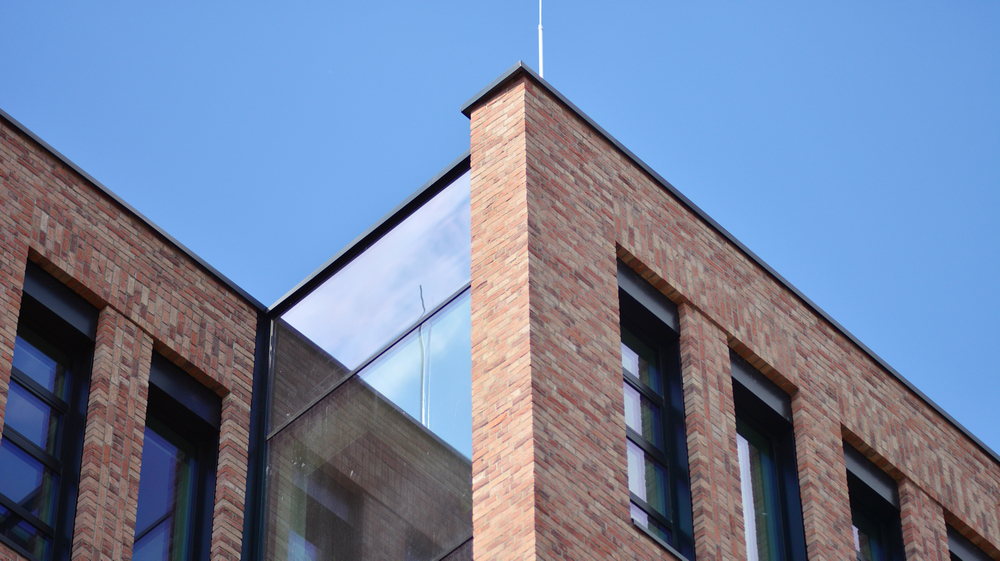
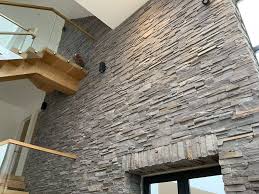
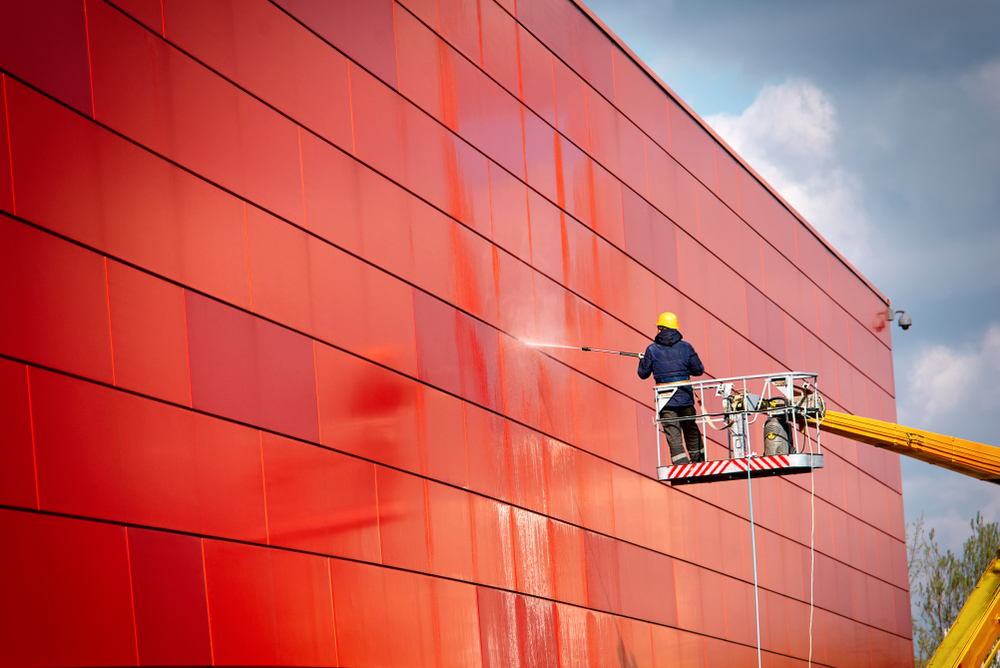
Thin stone cladding is used for both exterior and interior surfaces, including building facades, feature walls, fireplaces, and landscaping features.
Thin stone cladding typically ranges from 1 cm to 3 cm in thickness.
Yes, thin stone cladding is highly durable and resistant to weathering, UV rays, and temperature fluctuations.
Absolutely! Thin stone cladding is often used for interior applications like accent walls and fireplaces.
It can be installed using anchor systems, adhesive bonding, or curtain wall systems, depending on the project requirements.
What is thin stone cladding? It’s a modern, efficient, and visually striking alternative to traditional stone construction. By combining the timeless beauty of natural stone with the practical benefits of lightweight materials, thin stone cladding has become a popular choice for architects, designers, and builders. Whether used for exterior facades or interior accents, it adds a touch of elegance and durability to any project.
With its versatility, cost-effectiveness, and aesthetic appeal, thin stone cladding is truly a game-changer in the world of architecture and design. If you’re considering this material for your next project, you can’t go wrong with its unique blend of form and function.