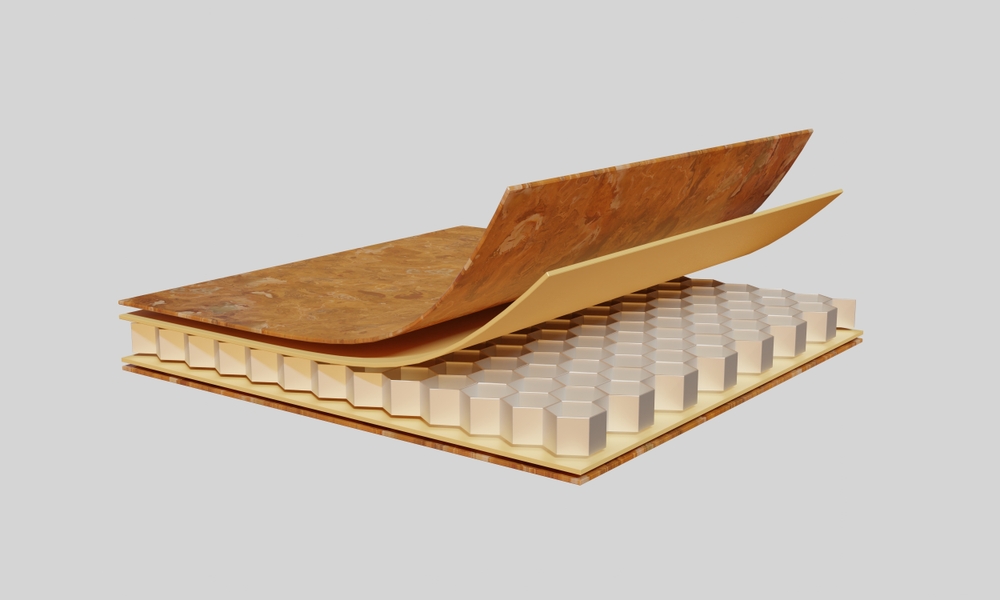
Aluminum Composite Panels (ACP) have gained immense popularity in the construction and architectural sectors due to their versatility, durability, and aesthetic appeal. One of the most critical factors influencing the performance of ACP panels is their thickness. This article delves into the various thickness options available for ACP panels, their applications, and the factors to consider when selecting the appropriate thickness for your project.
ACP panels are composed of two thin layers of aluminum enclosing a non-aluminum core, typically made from materials like polyethylene or fire-resistant minerals. This unique structure provides a combination of lightweight properties, durability, and excellent insulation.
The thickness of ACP panels can vary significantly based on their intended application. Here are the most common thicknesses available:
Additionally, ACP panels can come in thinner options (2mm) for lightweight applications or thicker options (up to 10mm) for specialized industrial uses.
Choosing the right thickness for ACP panels involves considering several critical factors:
Precision in measuring ACP panel thickness is crucial for ensuring quality and performance. Manufacturers typically use:
Different regions have varying standards for ACP panel thickness, including:
| Region | Standards |
| Europe | EN |
| United States | ASTM |
| Asia | Various specifications |
| International | ISO certifications |
These standards ensure consistent quality, performance, and safety across different manufacturing processes.
The industry is continuously evolving with innovations such as:
When determining the appropriate thickness for your project, it is advisable to consult with:
Each project has unique requirements, and the right thickness depends on a holistic assessment of multiple factors.
In summary, the thickness of Aluminum Composite Panels plays a pivotal role in their performance across various applications. From lightweight options suitable for interior use to heavy-duty variants designed for extreme conditions, understanding these differences is essential for making informed decisions in construction and design.
By considering environmental conditions, architectural requirements, and performance expectations, you can select the ideal ACP panel thickness that meets your project's specific needs. Whether you are working on a residential building, commercial space, or industrial facility, choosing the right thickness will enhance durability, aesthetics, and overall functionality. Incorporating keywords such as "What is the thickness of ACP panels?" throughout this article ensures it is optimized for search engines while providing valuable information to readers seeking guidance on this essential topic.