Understanding the architectural elements of a building is crucial for both homeowners and professionals in the construction industry. Among these elements, the terms "building facade" and "fascia" are often used interchangeably, but they refer to distinct components of a structure. This article explores the differences between a building facade and fascia, their functions, design significance, materials, and how they contribute to the overall aesthetic and functionality of a building.
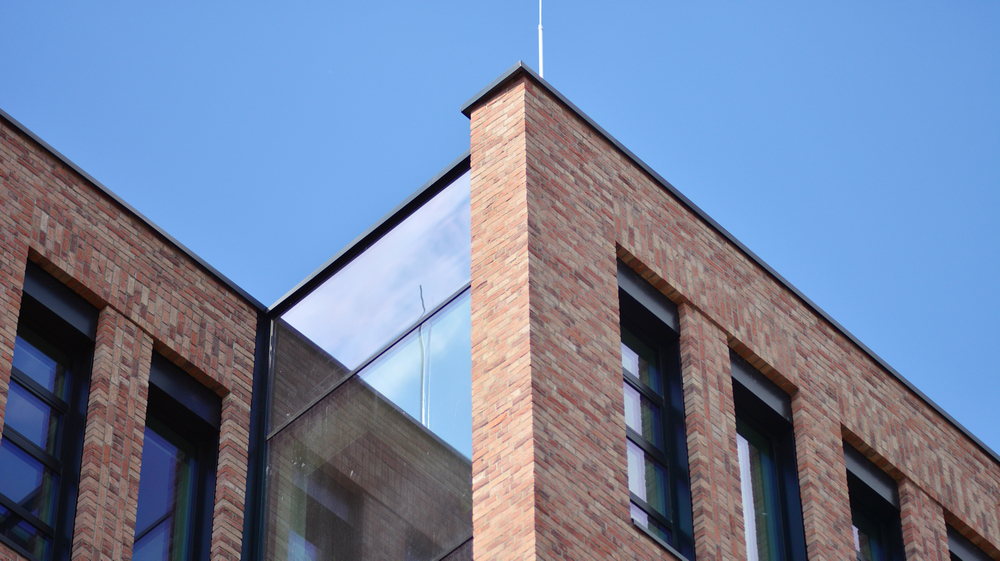
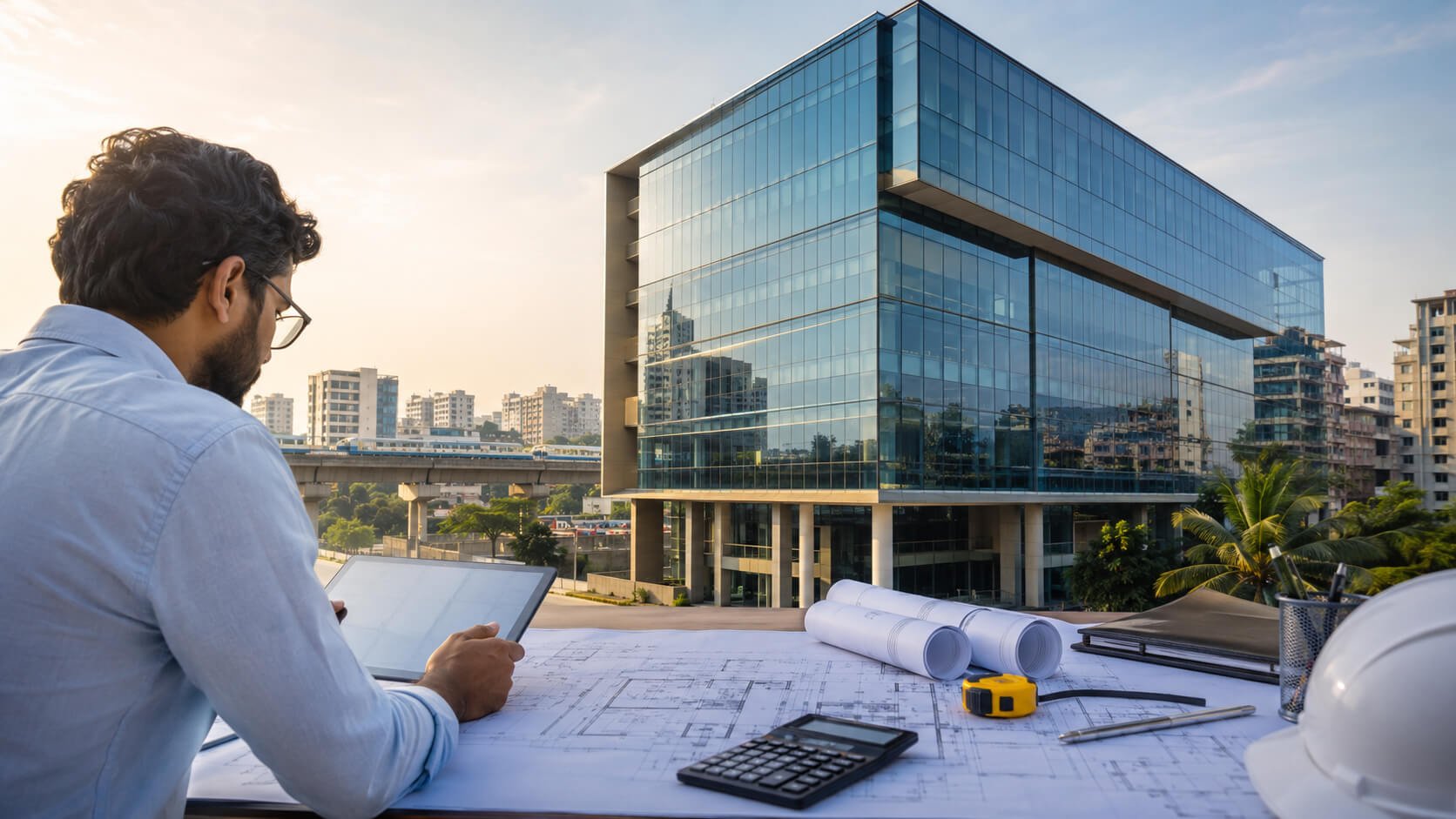
A building facade is the exterior front face of a building, particularly the principal front that is most architecturally emphasized. It encompasses all visible exterior surfaces that face the street or open space. The facade is not limited to just one part; it typically includes walls, windows, doors, and sometimes decorative elements like cornices, columns, and pediments. The design of a building's facade often reflects the architectural style and can be an essential element in the building's identity.
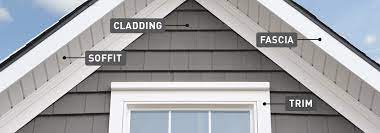
On the other hand, fascia refers to a specific, usually horizontal band or board, often found at the edge of a roof or ceiling. The fascia runs along the top of the walls of the building, just below the roofline, and is where gutters are usually attached. Fascias are primarily functional, covering the ends of roof rafters or trusses, but they can also contribute to the building's aesthetic by providing a clean edge to the roof.
| Feature | Building Facade | Fascia |
| Definition | The entire front face of a building, including all architectural elements visible from the outside. | A specific horizontal board or band at the edge of the roofline. |
| Purpose | Primarily aesthetic, contributing to the building's identity and style. | Functional, protecting the roof structure and supporting gutters. |
| Components | Walls, windows, doors, and decorative elements. | Fascia board, gutters, and sometimes ventilation components. |
| Materials Used | Brick, stone, glass, metal panels, stucco, etc. | Wood, PVC, aluminum, composite materials. |
| Location | Covers the entire exterior front of the building. | Located at the edge of the roof, just below the roofline. |
The facade of a building plays a crucial role in its overall design and functionality. Here are some key aspects to consider:
The facade is a key element in the building's visual identity. Architects often invest significant time in designing the facade to reflect the building's purpose, the owner's tastes, or the architectural period of the construction.
In many cities, facades are preserved for their historical and cultural significance. For instance, the facades of historical buildings in Paris, London, or New York are often preserved even when the rest of the building is renovated or rebuilt.
The facade sets the tone for the building. Whether it's a residential home, a commercial office, or a public institution, the facade communicates the building's character to passersby.
A building facade consists of several components that contribute to its overall design and functionality:
Facades can be categorized into various types based on their design and materials:
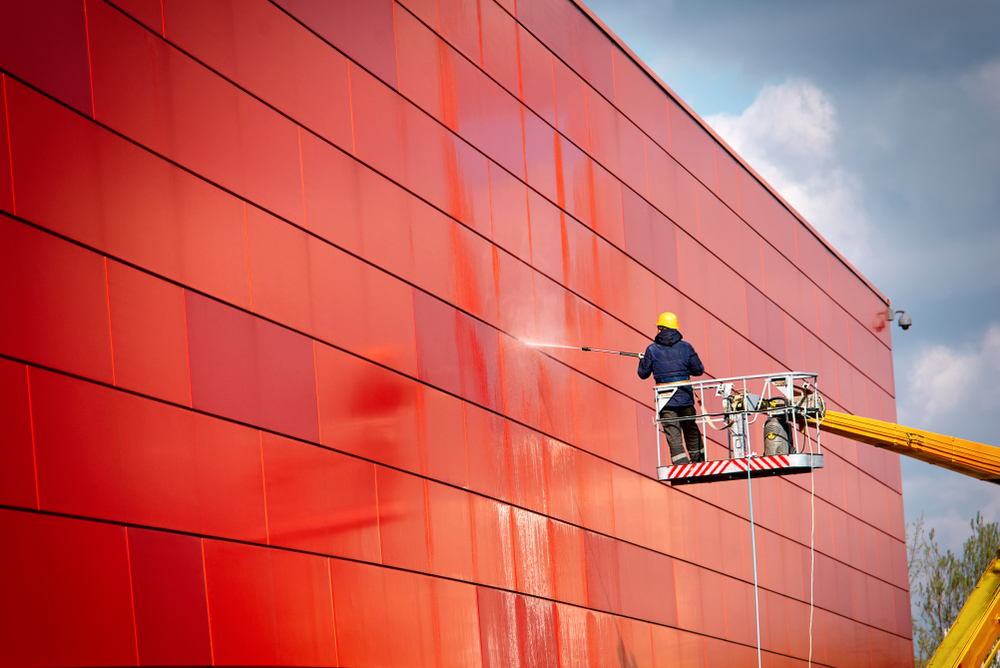
Facades are not just about aesthetics; they also serve several functional purposes:
While the facade is about the overall appearance of the building, fascia serves specific functions that are equally important:
Although a more functional element than the facade, the fascia can contribute to the overall aesthetic of the building by providing a clean, finished edge to the roofline. It can be painted or designed to match or contrast with the rest of the building.
The fascia helps create a smooth transition between the roof and the walls of the building. It often works in conjunction with other elements like the soffit (the underside of the roof eaves) to complete the roof structure.
Fascia boards can be made from various materials, depending on the desired aesthetic and functional requirements:
Fascia boards come in various types, each with its advantages and disadvantages:
In summary, the differences between a building facade and fascia can be encapsulated as follows:
Understanding the difference between a building facade and fascia is essential for anyone involved in architecture, construction, or home design. While both elements contribute to a building's appearance, they serve very different roles and are located in different parts of the structure. The facade is the face of the building, reflecting its architectural style and identity, while the fascia is a critical component of the roofline, providing functionality and aesthetic appeal. By recognizing these distinctions, one can appreciate the complexity and beauty of architectural design.