Stone cladding is a versatile and popular architectural feature that enhances the aesthetics and durability of buildings. It offers a way to achieve the luxurious look of natural stone without the expense and structural limitations of solid stone construction. But what exactly is stone cladding, and why is it so widely used? This guide will cover everything you need to know about stone cladding, including its types, benefits, installation methods, and design trends.
Stone cladding refers to a thin layer of stone applied to a structure's surface to achieve the appearance of solid stone walls. It is commonly used for both interior and exterior applications, offering a mix of aesthetic appeal, durability, and functionality. Stone cladding can be crafted from natural stones like granite or marble, or from manufactured materials designed to mimic natural stone.
Stone cladding has become a go-to choice for architects, designers, and homeowners. It offers a range of benefits that make it ideal for various projects:
Natural stone cladding uses authentic stones like:
This is an artificial alternative made of lightweight materials like concrete. It mimics the look of natural stone but is easier to handle and more cost-effective.
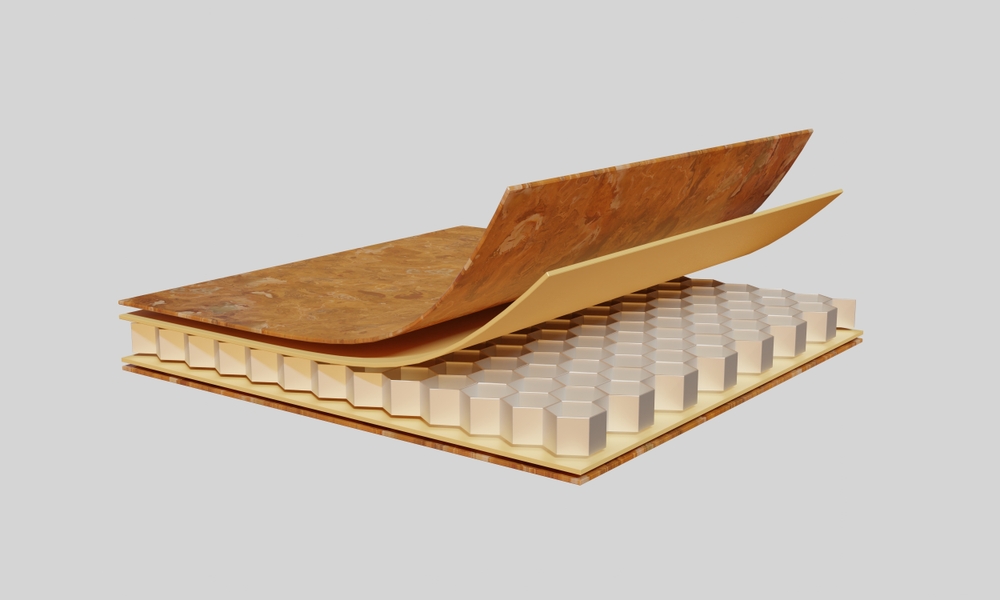
Prefabricated panels allow for faster installation, especially on large surfaces. They combine thin stone layers with a backing material for structural stability.
| Feature | Natural Stone | Manufactured Stone |
| Weight | Heavy | Lightweight |
| Cost | Higher | More affordable |
| Durability | Extremely durable | Moderately durable |
| Installation | Requires skilled labor | Easier to install |
Applications of Stone Cladding
Hotels, offices, and public spaces often use stone cladding for its professional and high-end appearance.
In this technique, stone is glued directly to the surface using mortar or adhesive. It’s commonly used for lightweight stone veneers.
Stone panels are secured with mechanical anchors, which is ideal for heavy natural stones or high-rise buildings.
This method includes a gap between the stone and the wall to allow ventilation and prevent moisture buildup.
Stone cladding comes in various textures, finishes, and colors, allowing designers to achieve diverse looks, from rustic to ultra-modern.
Natural stone cladding is highly resistant to weathering, scratches, and impact. Manufactured options also offer commendable durability with proper care.
Stone cladding helps regulate indoor temperatures and reduces noise pollution, making it both energy-efficient and comfortable.
Natural stone requires minimal upkeep, and most cladding materials are resistant to stains and moisture.
While stone cladding has numerous benefits, it also comes with certain challenges:
Combining stone cladding with wood, glass, or metal creates a contemporary and layered aesthetic.
Textured or split-faced finishes add depth and character, popular in both interiors and exteriors.
Eco-friendly cladding options like recycled stone or locally sourced materials are gaining traction.
To ensure the longevity of stone cladding:
The cost of stone cladding depends on factors like material type, installation method, and labor. Below is an estimated cost range:
| Material Type | Cost per Square Meter |
| Natural Stone | $100–$200 |
| Manufactured Stone Veneer | $50–$100 |
| Installation Labor | $30–$70 |
Yes, natural stone is weather-resistant, making it ideal for diverse climates.
While lightweight veneers can be a DIY project, professional installation is recommended for natural stone and large panels.
It can be eco-friendly if using recycled materials or sustainably sourced natural stone.
Stone cladding offers an excellent combination of beauty, durability, and versatility. Whether you’re looking to enhance your home’s exterior or add character to an interior space, stone cladding is a reliable and elegant choice. By understanding its types, applications, and installation methods, you can make informed decisions to transform any space into a timeless masterpiece.