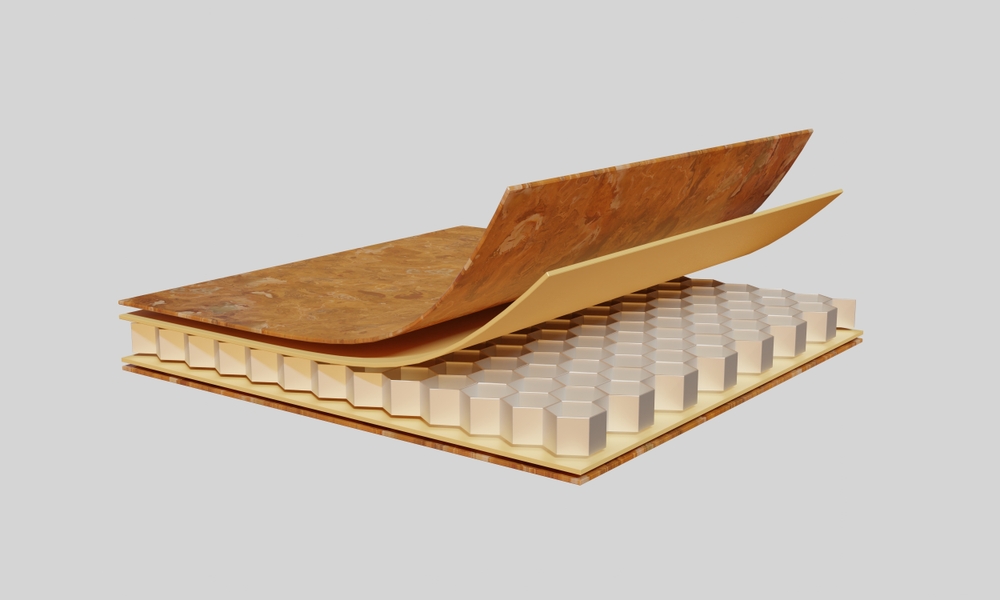
Facade components are essential elements of building architecture, forming the external face or envelope of a structure. They play a pivotal role in defining a building’s visual appeal, functionality, and environmental performance. These components are designed to balance aesthetics with structural requirements, energy efficiency, and protection from environmental elements. This article explores what facade components are, their types, materials, and their importance in architecture.
A facade is the exterior face of a building, often the most visually striking and recognizable aspect. It serves as the interface between the building’s interior and its surrounding environment, influencing not only the aesthetic appeal but also the building's energy efficiency, ventilation, and durability.
To understand facade components, it’s essential to explore their structural and functional elements:
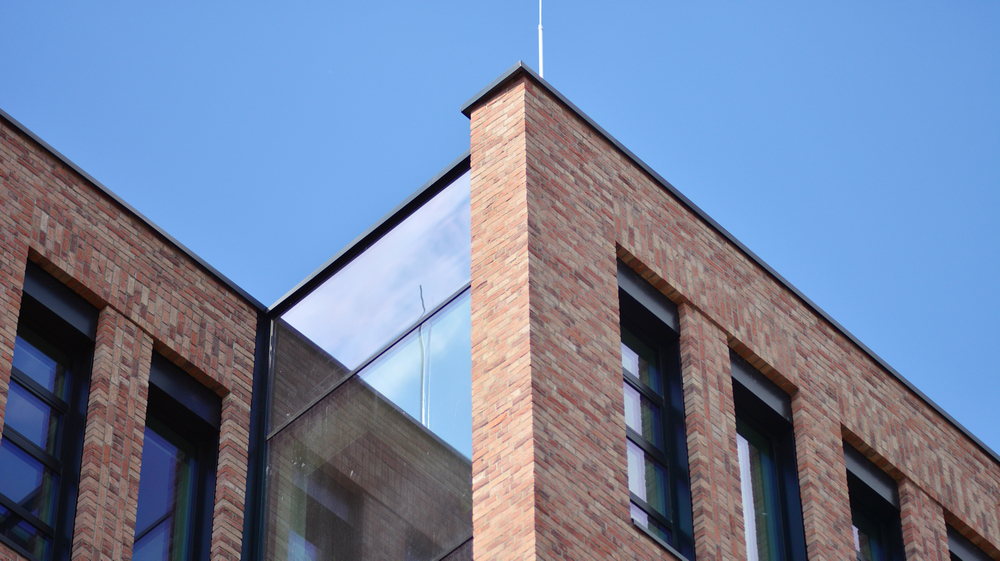
Walls are the primary structural element of any facade. They support the building’s weight and provide a barrier against environmental elements.
| Material | Characteristics | Usage |
| Masonry (Brick, Stone) | Durable, visually appealing | Traditional and modern designs |
| Concrete | Strong, versatile | High-rise and industrial buildings |
| Lightweight Panels | Easy to install, energy-efficient | Contemporary facades |
2. Windows
Windows are crucial for providing natural light, ventilation, and views of the outdoors.
Doors function as access points and contribute to the facade’s overall appearance.
| Type | Purpose | Examples |
| Entry Doors | Main access, aesthetic emphasis | Decorative wood, glass |
| Sliding/Bi-Fold Doors | Maximize indoor-outdoor flow | Aluminum, glass-paneled |
Cladding serves as an outer layer for protection and decoration. It shields walls from weather and adds texture to the design.
| Material | Advantages | Application |
| Wood | Warmth, natural appeal | Residential facades |
| Metal (Aluminum, Steel) | Durability, modern aesthetics | Commercial buildings |
| Glass | Transparency, sleek design | High-rise and office buildings |
| Composite Materials | Lightweight, versatile | Modular and custom designs |
Architectural embellishments enhance the building's appearance and give it character.
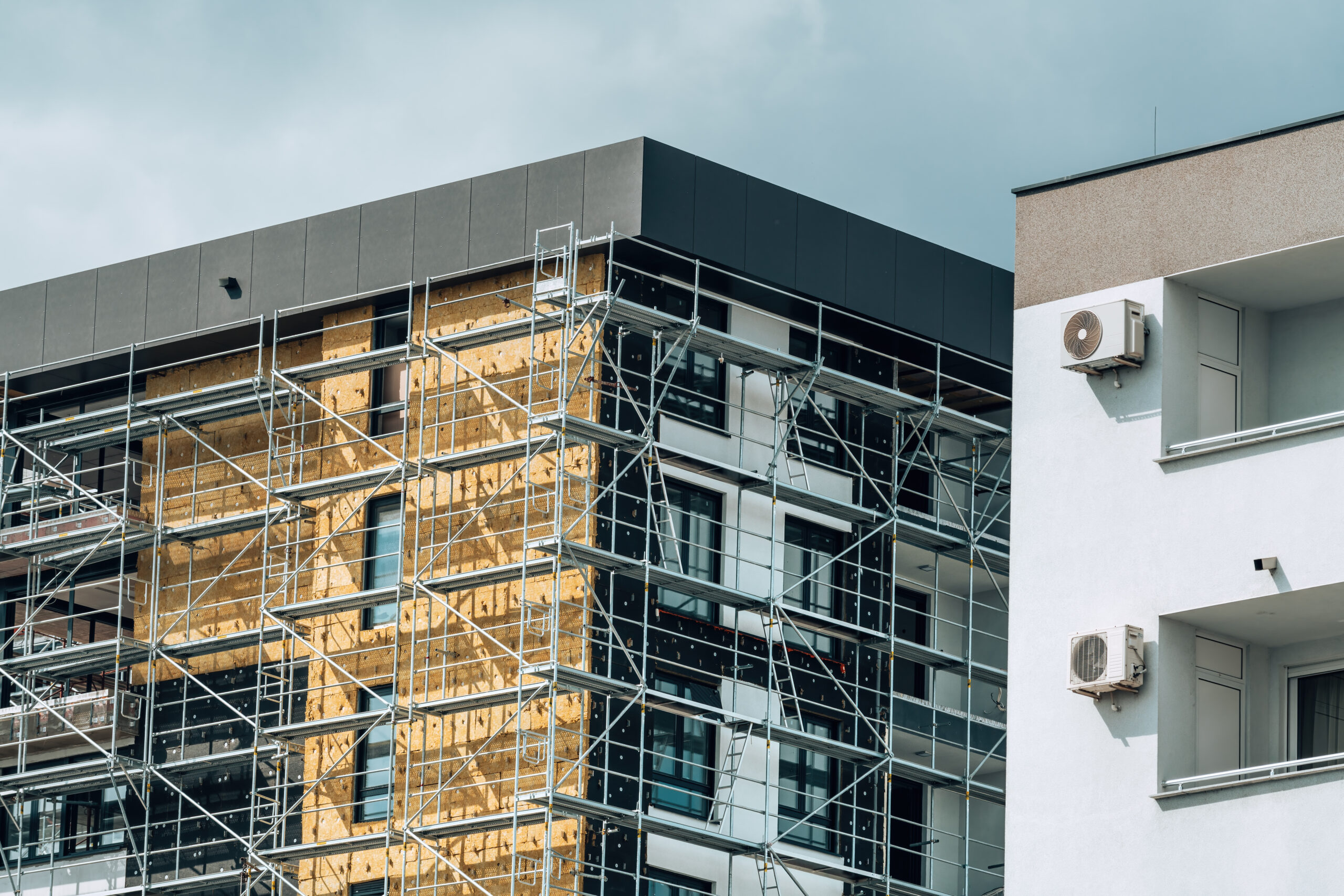
Insulation is vital for maintaining thermal comfort and energy efficiency. Facade insulation reduces heat transfer, helping regulate indoor temperatures.
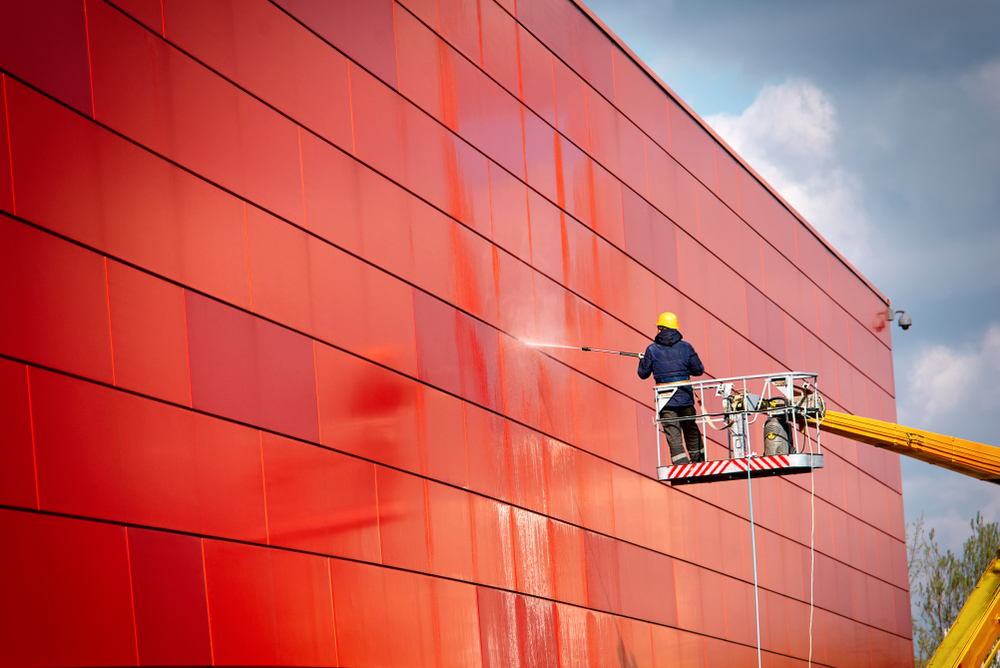
To ensure longevity and minimize maintenance, facades incorporate weather-resistant technologies:
Facades can be classified based on their construction method and design approach.
Non-load-bearing walls typically made of glass or metal, supported by a lightweight aluminum or steel framework.
2. Panel Facades
Prefabricated panels made of materials like aluminum, wood, or composites are mounted directly to the building structure.
Incorporates vegetation into the design through living walls or vertical gardens.
Effective facade design requires balancing aesthetic, functional, and environmental factors:
Advanced tools like Computational Fluid Dynamics (CFD) simulate wind and thermal performance to refine design.
| Material Type | Durability | Cost Efficiency | Aesthetics | Maintenance |
| Glass | Moderate | High | Modern and sleek | Requires regular cleaning |
| Masonry | High | Cost-effective | Traditional appeal | Low |
| Metal Panels | High | Moderate | Industrial look | Low |
| Composite Materials | Moderate | Moderate | Versatile | Low |
Facade components are indispensable for achieving a balance between architectural beauty and practical functionality. From walls and windows to cladding and insulation, each component serves specific purposes to enhance aesthetics, energy efficiency, and protection. Modern facade designs increasingly incorporate sustainability and technology, making them critical to contemporary architecture.
Architects and builders must carefully choose materials and integrate innovative technologies to craft facades that are both visually appealing and highly efficient. The result is a harmonious blend of art, science, and sustainability that defines the character and performance of a building.