Diasec-mounted chromogenic prints on aluminum composite panels represent a sophisticated and premium method for displaying photographic artwork. This article will explore the intricacies of this mounting technique, the types of prints used, the materials involved, and the benefits of using this method for artists and photographers.
Diasec is a patented mounting process developed by Heinz Sovilla-Brulhart in 1969. It involves face-mounting photographic prints onto a substrate of transparent acrylic glass, using a special liquid gel adhesive that ensures a smooth, bubble-free surface. This method enhances the vibrancy and sharpness of the image due to the unique light refraction properties of acrylic compared to traditional glass.
The Diasec mounting process typically involves several steps:
Chromogenic prints, often referred to as C-prints or dye coupler prints, are produced using color negative film or digital images processed through chemical reactions that create vibrant colors. This printing technique has been a staple in photography for over a century due to its rich color reproduction and detail.
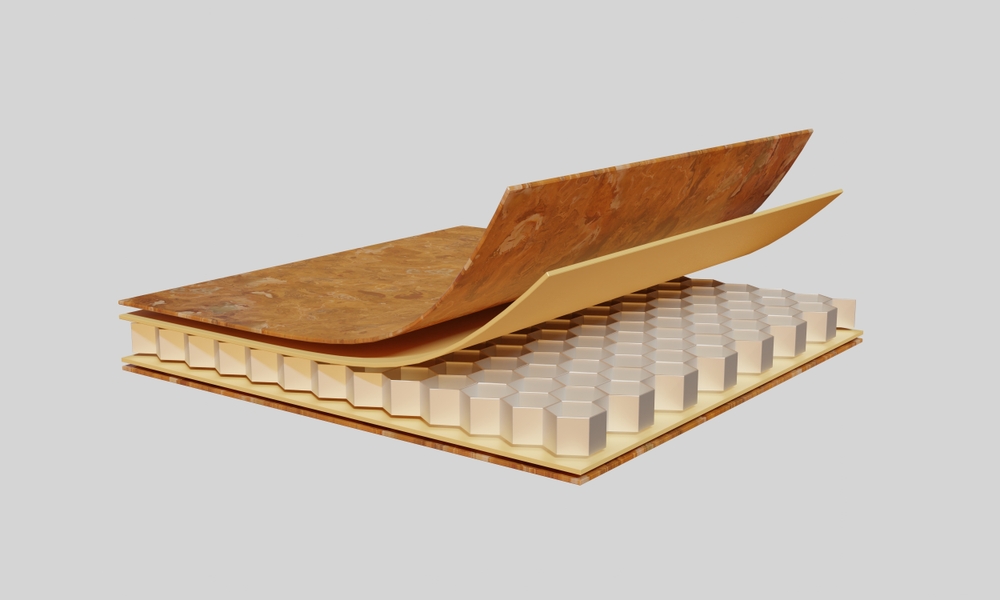
Aluminum composite panels (ACP), often known as Dibond, consist of two thin layers of aluminum enclosing a non-aluminum core. This construction provides strength while remaining lightweight, making it an ideal backing material for mounted prints.
Diasec-mounted chromogenic prints on aluminum composite panels offer numerous advantages that make them an attractive option for artists and photographers:
The combination of acrylic face-mounting allows for optimal light penetration, resulting in more brilliant colors and sharper images compared to traditional framing methods.
The Diasec method protects against UV light, humidity, and mechanical wear, ensuring long-lasting preservation of the artwork. This durability makes it suitable for both exhibition settings and personal collections.
The finished product has a sleek, modern look that can elevate the presentation of any photographic work. The floating appearance achieved by mounting on aluminum composite panels adds an element of sophistication.
Diasec-mounted prints can be displayed without traditional framing methods, allowing for various hanging options that enhance their visual impact on walls.
| Feature | Traditional Framing | Diasec-Mounted Prints |
| Visual Quality | Moderate | High |
| Durability | Varies (depends on materials) | Excellent |
| UV Protection | Limited | Excellent |
| Mechanical Resistance | Moderate | High |
| Aesthetic Appeal | Classic | Modern |
| Maintenance | Requires regular care | Low maintenance |
To ensure longevity and maintain the visual quality of diasec-mounted chromogenic prints on aluminum composite panels, follow these care instructions:
In summary, diasec-mounted chromogenic prints on aluminum composite panels represent a premium choice for artists seeking to showcase their work in an eye-catching and durable format. This sophisticated method combines advanced materials and techniques to enhance both aesthetic appeal and longevity. With its archival quality, vibrant color reproduction, and modern aesthetic appeal, diasec mounting has become increasingly favored in galleries and exhibitions worldwide.
By understanding what diasec-mounted chromogenic prints on aluminum composite panels entail—along with their benefits—artists can make informed decisions about how best to present their work while ensuring its longevity and visual impact in various settings.
Diasec-mounted prints are designed for longevity; with proper care, they can last several decades without significant fading or deterioration.
While additional framing is not necessary due to the sleek design of diasec-mounted prints, you can frame them if desired for added protection or aesthetic reasons.
While they offer excellent durability against environmental factors, prolonged exposure to outdoor elements may still affect their longevity; therefore, it is best to display them indoors or in controlled environments.
By utilizing this comprehensive guide on "what is diasec-mounted chromogenic print on aluminium composite panel," artists can appreciate the value this technique brings to their photographic works while ensuring they present their art at its finest.