What Is Called Curtain Wall? A Comprehensive Guide
A curtain wall is a non-structural exterior building envelope system that protects the building’s interior from external environmental elements while adding significant aesthetic value. It’s a popular architectural feature in modern construction, known for its sleek design, energy efficiency, and functional benefits. In this guide, we delve deeply into what a curtain wall is, its components, types, benefits, and considerations for its use.
What Is Called Curtain Wall?
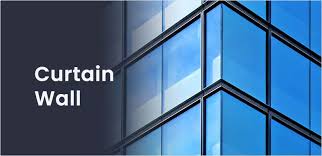
A curtain wall is a lightweight, non-load-bearing facade system attached to a building’s structural framework. It acts as a protective barrier against weather, thermal, and acoustic challenges while maintaining a modern and elegant aesthetic. Unlike traditional walls, it doesn’t support the weight of the building but transfers its own load to the structure via anchors.
Primary Purpose and Functions of Curtain Walls
The primary purposes of curtain walls include:
Environmental Protection: Shielding the interior from wind, rain, and extreme temperatures.
Energy Efficiency: Incorporating thermal breaks and high-performance glazing for insulation.
Structural Accommodation: Absorbing and transferring loads like wind pressure to the building structure.
Aesthetic Appeal: Enhancing the visual look of modern buildings with sleek designs.
Key Components of Curtain Wall Systems
Frame Structure
The frame is typically made of aluminum, chosen for its strength, lightweight properties, and corrosion resistance. It includes:
Vertical Mullions: Provide structural support.
Horizontal Mullions: Create the grid structure.
Thermal Breaks: Minimize heat transfer between the exterior and interior.
Glazing Systems
Modern curtain walls often use insulated glass units (IGUs), comprising:
Outer and inner panes for protection and insulation.
Low-E coatings to reduce solar heat gain.
Argon or krypton-filled gaps for enhanced thermal performance.
Anchorage Systems
Anchors secure the curtain wall to the building and must accommodate:
Thermal expansion and contraction.
Wind sway and seismic activity.
Building movement and deflection.
Component
Material
Purpose
Frame Structure
Aluminum
Structural support and grid formation
Glazing Systems
Glass
Insulation and weather resistance
Anchorage Systems
Steel or aluminum
Connecting curtain wall to building structure
Types of Curtain Wall Systems
Curtain walls are primarily categorized into stick systems and unitized systems.
Stick System
Description: Components are assembled on-site, piece by piece.
Advantages:
Flexibility in design.
Lower initial costs.
Disadvantages:
Requires more time and labor on-site.
Unitized System
Description: Pre-assembled units are manufactured in factories and installed on-site.
Advantages:
Faster installation.
Improved quality control.
Disadvantages:
Higher upfront costs.
Limited design flexibility.
Feature
Stick System
Unitized System
Installation Time
Longer
Shorter
Quality Control
Moderate
High
Cost
Lower initial cost
Higher initial cost
Design Flexibility
High
Limited
Benefits of Curtain Walls
Curtain walls provide numerous benefits, including:
Energy Efficiency: High-performance glazing and thermal breaks reduce heating and cooling needs.
Natural Lighting: Maximizes daylight, reducing reliance on artificial lighting.
Weather Resistance: Protects against wind, rain, and UV radiation.
Acoustic Insulation: Mitigates external noise with laminated or double-glazed glass.
Aesthetic Appeal: Adds a contemporary and professional look to buildings.
Low Maintenance Costs: Durable materials and smart designs reduce upkeep.
Design and Installation Considerations
Designing and installing curtain walls require careful planning to optimize performance and aesthetics.
Thermal Performance
Use of thermally broken frames and insulated glazing units.
Integration of air and vapor barriers.
Structural Requirements
Proper anchorage to withstand wind loads, seismic movements, and building sway.
Weather Resistance
Pressure-equalized designs prevent water infiltration.
Proper sealing ensures air tightness.
Maintenance and Longevity
Maintaining curtain walls involves:
Inspecting seals and gaskets for wear.
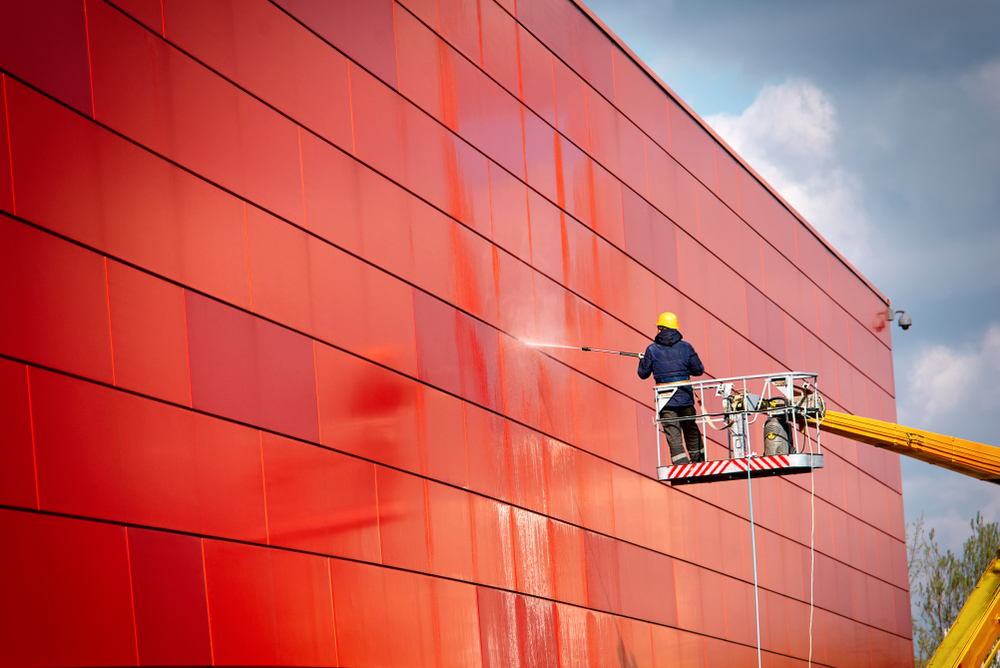
Cleaning glass and frames to maintain appearance.
Replacing weathered sealants periodically.
Assessing anchors for structural integrity.
Cost Factors
The cost of curtain walls depends on:
System Complexity: Customization and unique designs increase costs.
Material Choice: Aluminum, glass, and composite materials affect pricing.
Building Height and Location: High-rise installations cost more due to logistical challenges.
Installation Method: Unitized systems are pricier than stick systems.
Curtain Wall vs. Other Facades
Feature
Curtain Wall
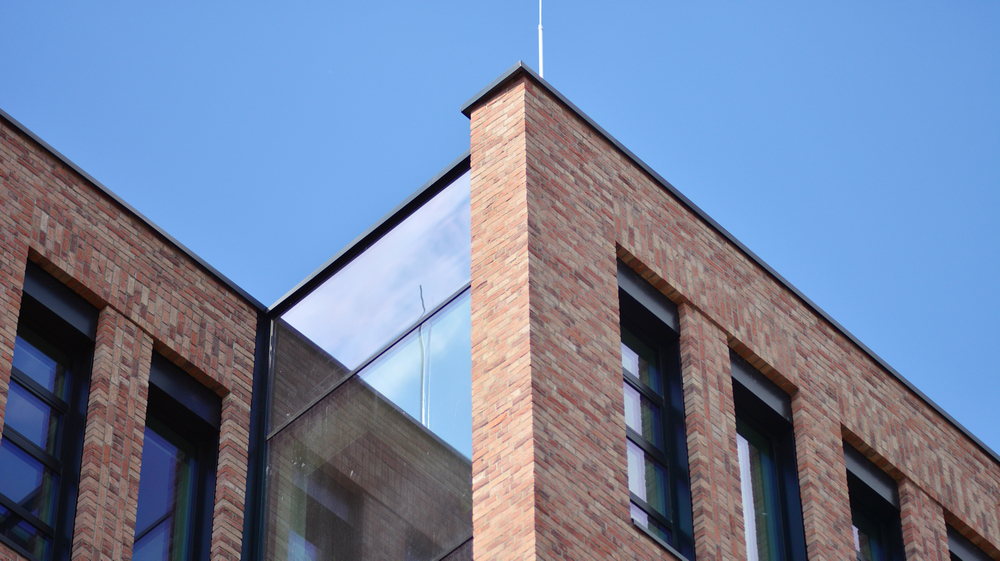
Other Facades (e.g., Brick, Concrete)
Load-Bearing
Non-load-bearing
Often load-bearing
Appearance
Modern and sleek
Traditional and solid
Energy Efficiency
High with modern materials
Moderate
Cost
Generally higher
Moderate to low
Future Trends in Curtain Wall Systems
Emerging trends in curtain wall systems include:
Dynamic Glass: Glazing that adjusts transparency based on sunlight.
Green Walls: Incorporating vegetation for sustainability.
Integrated Solar Panels: Converting facades into energy generators.
Advanced Materials: Lighter, stronger, and more sustainable materials.
Conclusion
In summary, a curtain wall is a non-structural facade system designed to protect buildings from environmental elements while enhancing their energy efficiency and aesthetic appeal. With advancements in materials and technology, curtain walls are becoming more sustainable and versatile, making them a cornerstone of modern architecture.