In the world of architecture and construction, the term "facade" plays a crucial role. But what exactly is a facade in construction? This article will delve deep into the concept, exploring its significance, types, functions, and much more. Whether you're a construction professional, an architecture enthusiast, or simply curious about building design, this comprehensive guide will provide valuable insights into the fascinating world of facades.
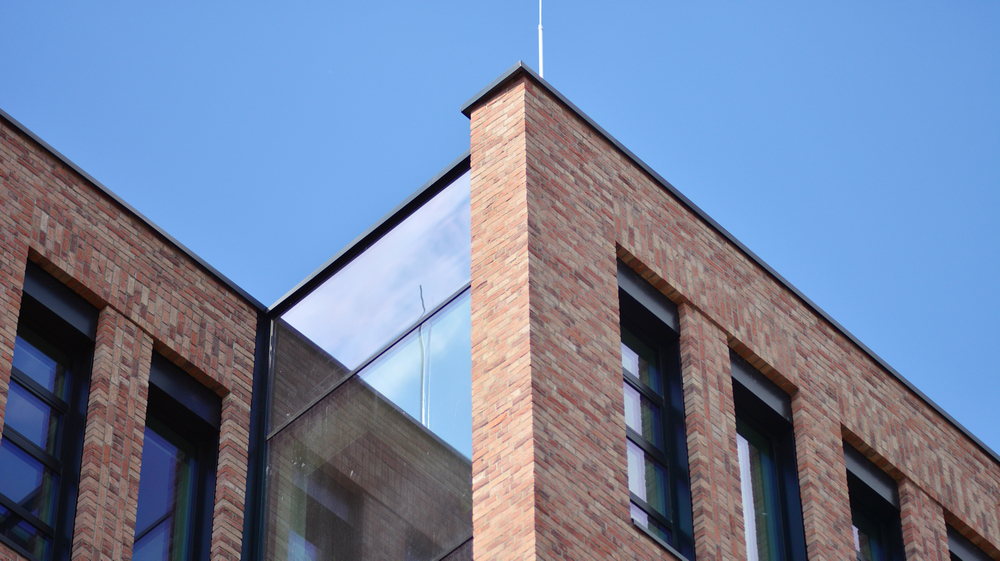
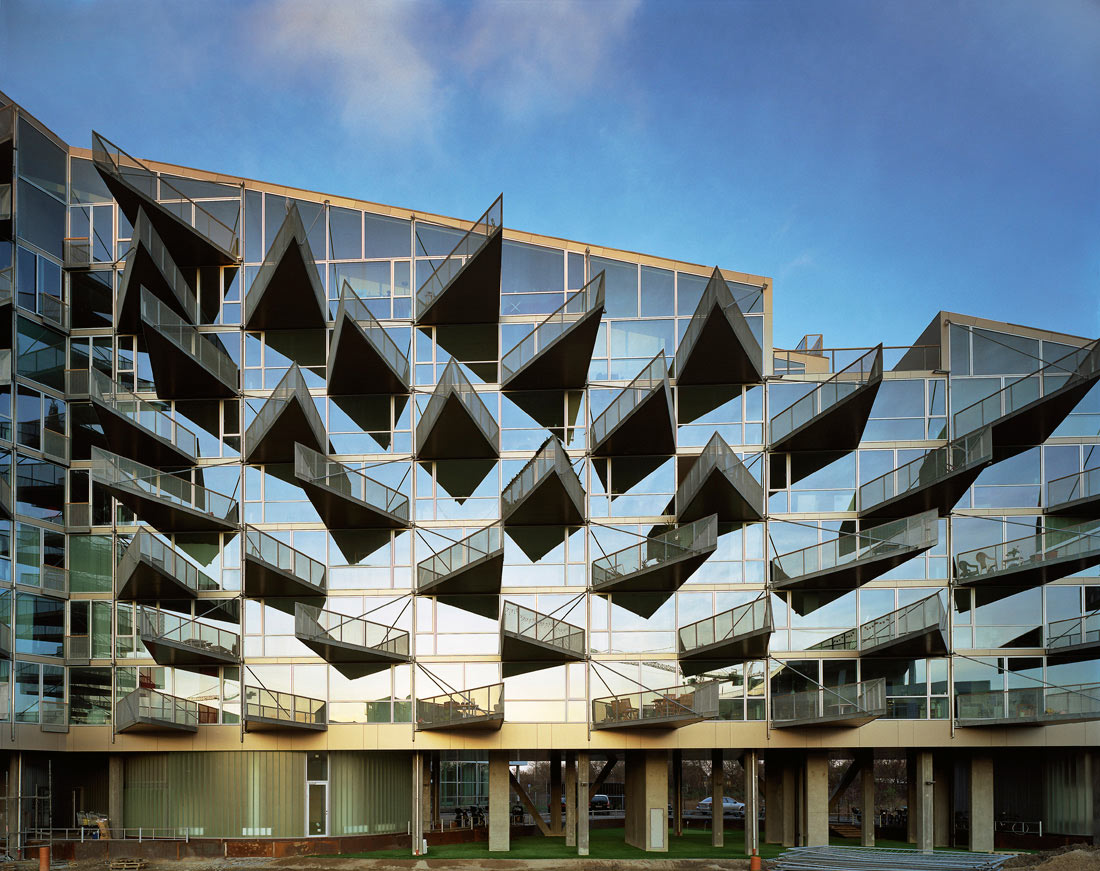
A facade in construction refers to the external face or main side of a building. It's the first thing people see when approaching a structure, making it a critical element in architectural design. The facade serves both functional and aesthetic purposes, acting as the building's protective skin while also making a strong visual statement.
Understanding the different types of facades is essential for anyone involved in construction or architectural design. Let's explore the main categories:
Heavyweight facades are made from materials weighing over 100 kg/m². They can be load-bearing or self-supporting.
Characteristics:
Lightweight facades use non-structural materials attached to the building frame.
Characteristics:
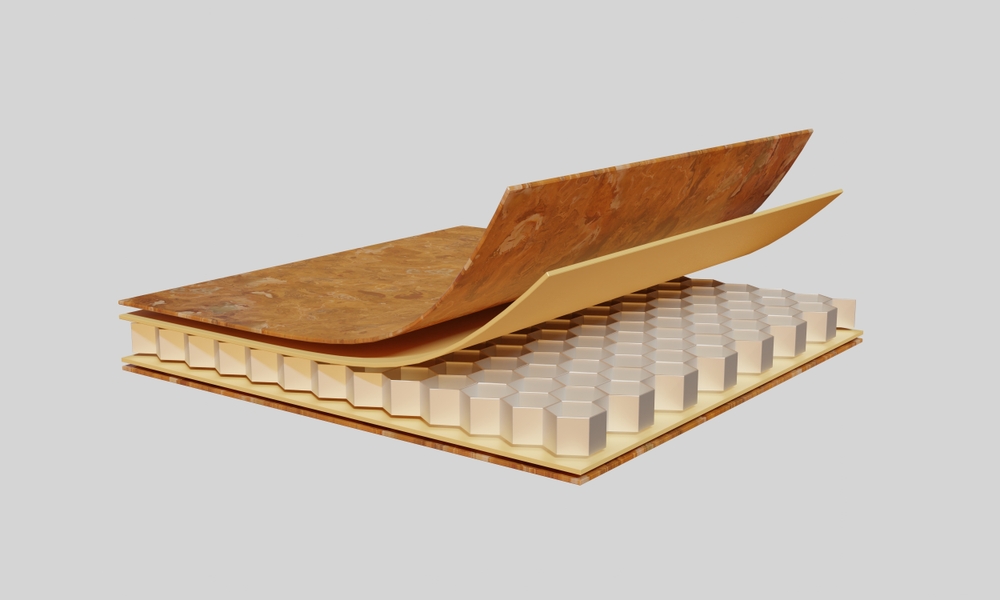
Prefabricated facades consist of pre-assembled modular panels installed on-site.
Characteristics:
Traditional facades use classic building materials and techniques.
Characteristics:
Facade design has evolved significantly over time, reflecting changing architectural styles and technological advancements:
| Era | Characteristic Features |
| Gothic | Imposing, vertical emphasis |
| Renaissance | Symmetry, classical elements |
| Baroque | Ornate, dramatic |
| Neoclassical | Greek Revival influence |
| Modern | Minimalist, functional |
| Postmodern | Bold, sculptural |
| Contemporary | Sustainable, high-tech |
When designing a facade, architects and engineers must consider several crucial factors:
The choice of facade materials significantly impacts a building's appearance, performance, and durability. Here's a comparison of common facade materials:
| Material | Advantages | Disadvantages |
| Glass | Transparency, modern look | Energy efficiency challenges |
| Metal | Durability, low maintenance | Potential for corrosion |
| Stone | Natural beauty, longevity | High cost, heavy weight |
| Brick | Classic appeal, fire resistance | Labor-intensive installation |
| Concrete | Versatility, strength | Potential for cracking |
| Wood | Warmth, sustainability | Requires regular maintenance |
Modern facade design plays a crucial role in a building's energy efficiency. Here are some ways facades contribute to sustainable construction:
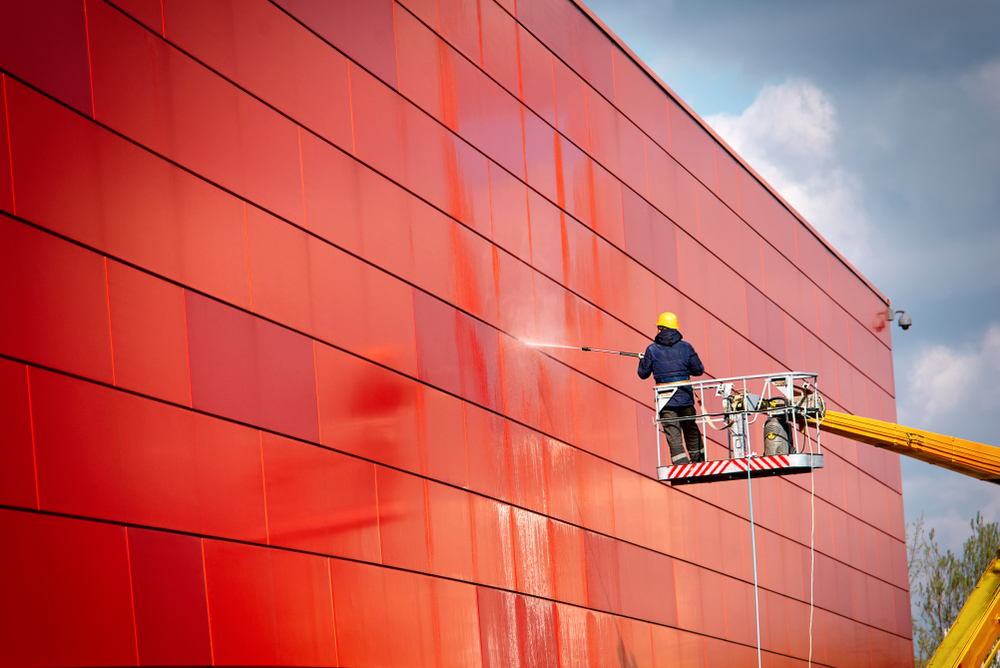
Proper maintenance is essential for preserving the appearance and functionality of building facades. Here are some key aspects of facade maintenance:
For historic buildings, facade restoration requires specialized techniques to preserve architectural integrity while improving performance.
The field of facade design is constantly evolving. Here are some cutting-edge trends to watch:
Bangladesh has seen significant developments in facade design in recent years. Let's explore some notable examples:
This building is renowned for its innovative facade design, bringing international standards to the local market.
Designed by D-Tech Corporation Ltd, this project showcases advanced facade engineering techniques.
Another project by D-Tech, featuring a striking facade that has become a landmark in the city.
A prominent green architecture residential project with a facade that emphasizes sustainability.
This hotel's facade exemplifies the growing sophistication of architectural design in Bangladesh.
Understanding "what is a facade in construction" is crucial for anyone involved in architecture, construction, or building maintenance. From its role in protecting the building to its significance in aesthetic design, the facade is a multifaceted element that deserves careful consideration. As we've explored in this comprehensive guide, facades come in various types, serve multiple functions, and continue to evolve with technological advancements and changing architectural trends.
Whether you're designing a new building, renovating an existing structure, or simply appreciating architectural beauty, the facade will always be a central element to consider. By understanding the principles of facade design and keeping up with innovative trends, we can create buildings that are not only visually striking but also functional, efficient, and sustainable.