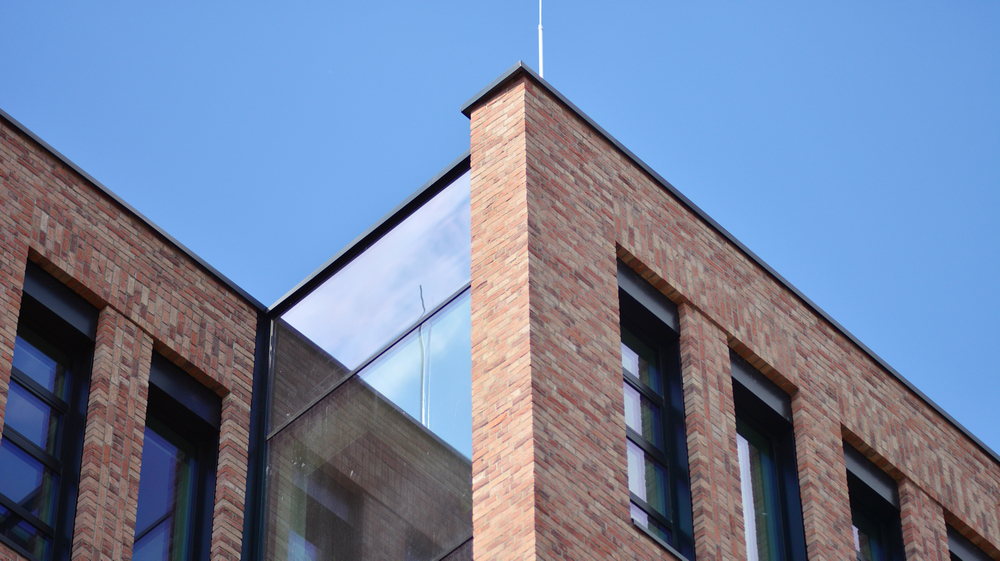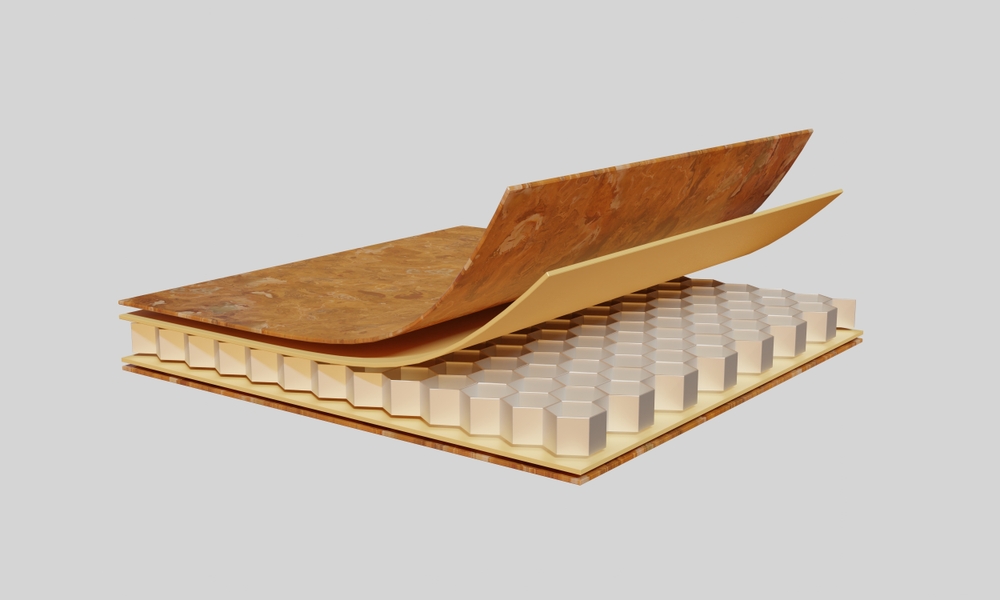
Ceramic facades, also known as terracotta facades, are a modern architectural marvel that combines aesthetic versatility with practical benefits. These cladding systems, made from natural clay materials, have gained significant popularity in both contemporary and traditional construction projects. In this comprehensive article, we will delve into the definition, characteristics, advantages, and applications of ceramic facades, offering insights into why they are a go-to choice for architects worldwide.
A ceramic facade refers to an architectural cladding system crafted from natural clay that is fired at high temperatures. This manufacturing process results in durable and lightweight panels that exhibit excellent thermal performance and aesthetic appeal. Ceramic facades are prized for their energy efficiency, resistance to environmental factors, and ability to support creative architectural designs.
Definition and Characteristics
Ceramic facades are predominantly composed of natural clay, water, and occasionally additives to enhance performance. During production, these materials are molded into specific shapes and then fired at high temperatures, resulting in:
Design Versatility
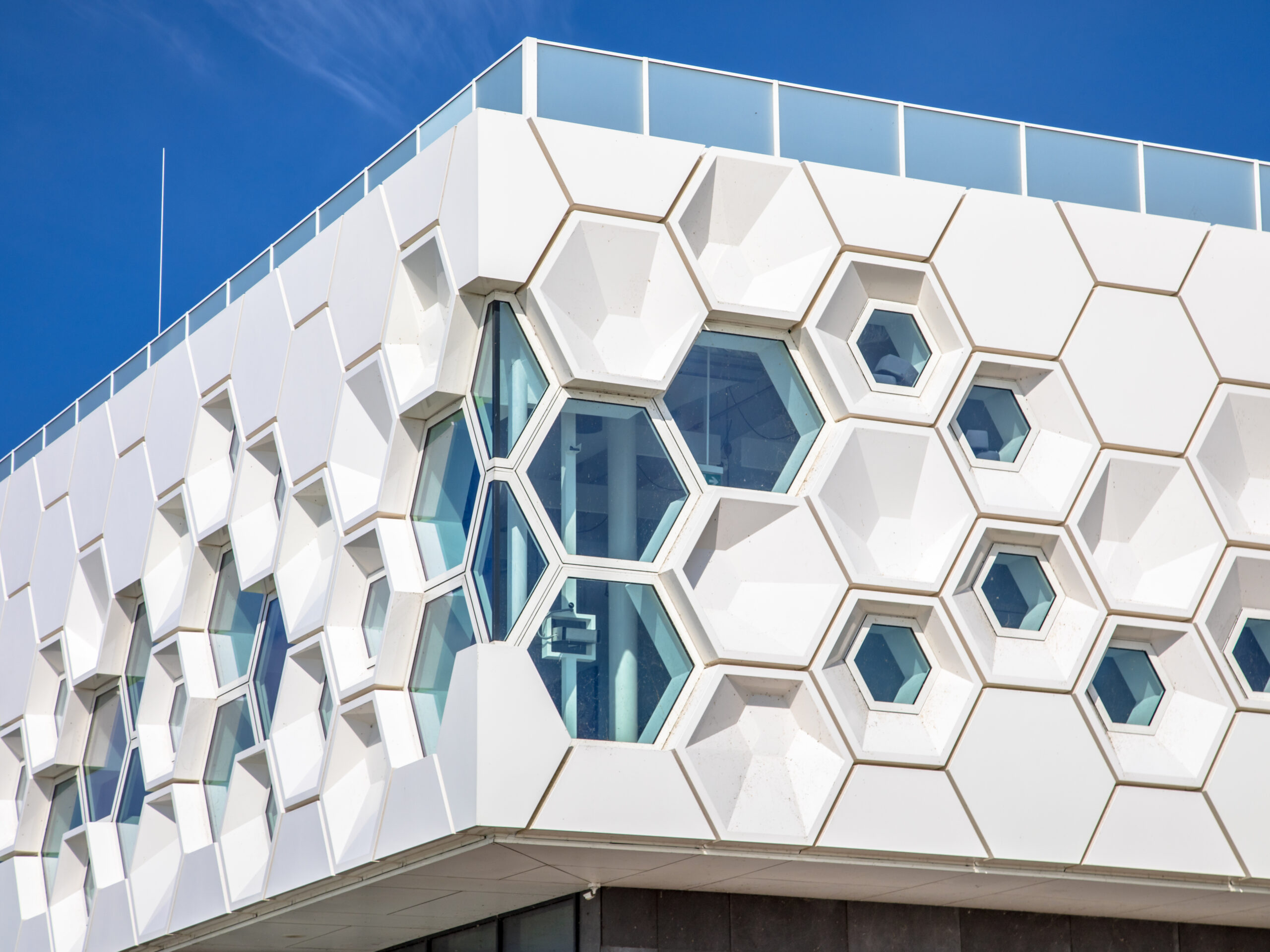
Ceramic facades offer unparalleled design flexibility, enabling architects to create stunning exteriors. The key aspects include:
| Texture Type | Characteristics | Common Applications |
| Matte | Subtle, non-reflective | Residential buildings |
| Glossy | Polished, high-shine | Commercial and luxury facades |
| Textured | Adds depth and character | Institutional projects |
Functional Benefits
Ceramic facades are not just about aesthetics; they offer a host of functional advantages.
Many ceramic facade systems are ventilated, creating an air gap between the insulation and the cladding. This design enhances energy performance by:
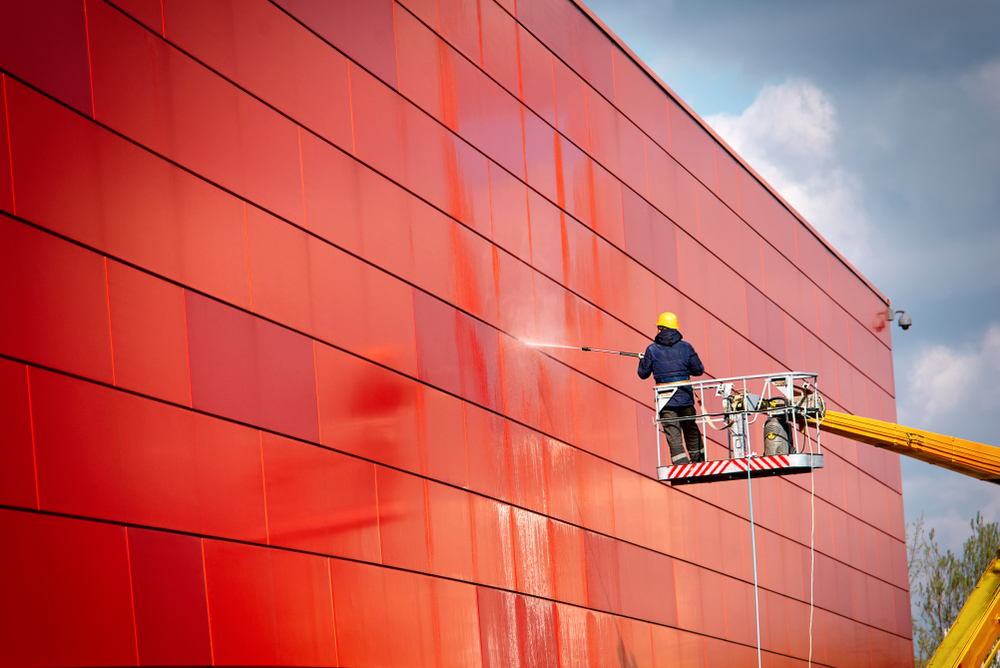
Durability and Maintenance
Ceramic materials are celebrated for their long-lasting performance. Their resistance to environmental factors includes:
Sustainability
Ceramic facades are an environmentally friendly option due to:
Applications of Ceramic Facades
Ceramic facades are versatile, finding applications in various sectors:
Installation Methods
The installation process for ceramic facades varies depending on the specific system. Key methods include:
| Method | Pros | Cons |
| Ventilated Facades | Improves insulation, easy access | Higher upfront cost |
| Direct Mounting | Cost-effective | Limited moisture control |
| Interlocking Systems | Quick assembly, aesthetically seamless | Requires specialized tools |
Comparison with Other Cladding Materials
Ceramic facades are often compared with materials like glass, metal, and stone. Below is a quick comparison:
| Feature | Ceramic Facades | Glass | Metal | Stone |
| Durability | High | Moderate | High | Very High |
| Energy Efficiency | Excellent | Poor | Moderate | Good |
| Maintenance | Low | High | Moderate | High |
| Cost | Moderate | High | Low | Very High |
As technology evolves, ceramic facades are expected to adopt:
Ceramic facades stand out as a versatile, sustainable, and aesthetically pleasing option for modern architecture. Their durability, energy efficiency, and design flexibility make them a preferred choice for architects aiming to create structures that blend beauty with functionality. As construction trends continue to emphasize sustainability and innovation, ceramic facades will remain a cornerstone of architectural design.