How to Join Aluminum Composite Panel: A Comprehensive Guide (2026)
Introduction to Aluminum Composite Panel Joining
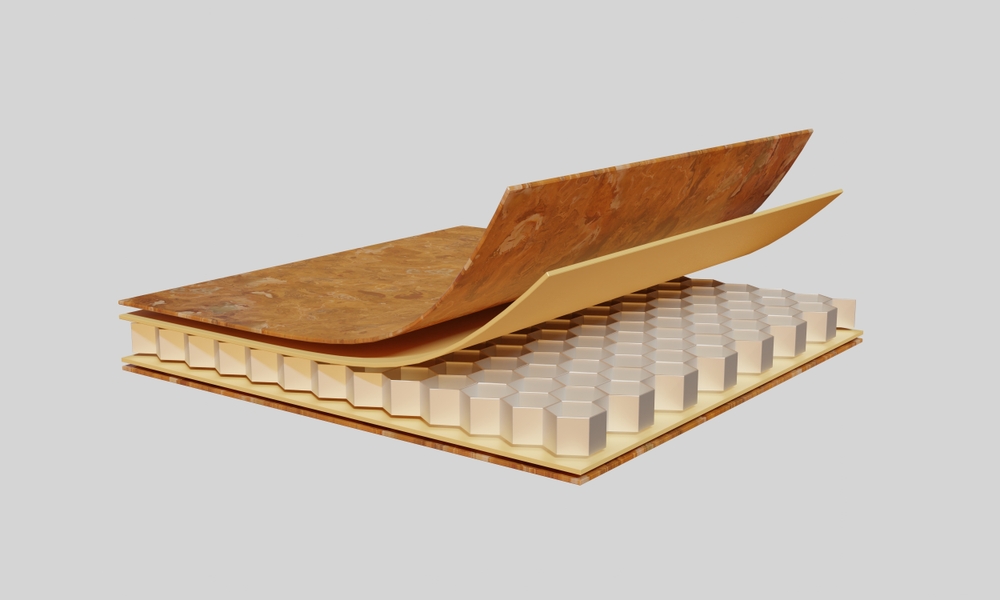
Aluminum composite panels (ACPs) have revolutionized modern architecture with their versatility, durability, and aesthetic appeal. Whether you're working on a commercial façade or an interior design project, knowing how to join aluminum composite panels correctly is crucial for ensuring structural integrity and longevity.
Quick Reference Table: ACP Joining Methods
Method
Strength
Aesthetics
Cost
Ease of Installation
Mechanical Fastening
High
Moderate
Low
Easy
Adhesive Bonding
High
Excellent
Moderate
Moderate
Channel Systems
High
Good
High
Complex
Cassette System
Very High
Excellent
High
Complex
Primary Methods for Joining Aluminum Composite Panels
1. Mechanical Fastening
When learning how to join aluminum composite panel sections using mechanical methods, consider these essential components:
Use appropriate torque settings to prevent panel deformation
Install EPDM washers for weatherproofing
Space fasteners 300-600mm apart depending on load requirements
2. Adhesive Bonding
Adhesive bonding is increasingly popular when considering how to join aluminum composite panel sections for a clean appearance.
Recommended Adhesive Types:
MS Polymer Adhesives:
UV resistant
Flexible bond
Weather-resistant
Polyurethane Adhesives:
High strength
Good elongation properties
Suitable for exterior use
Two-Part Epoxy:
Maximum strength
Rigid bond
Best for interior applications
📝 Pro Tip: Always perform a small test bond before proceeding with the full installation when using adhesives.
Detailed Installation Guidelines
Surface Preparation for Adhesive Bonding
Step-by-Step Process:
Clean Surfaces Thoroughly:
Use isopropyl alcohol
Remove all debris
Ensure dry conditions
Surface Treatment:
Light abrasion with fine-grit sandpaper (180-220 grit)
Dust removal
Primer application (if required)
Adhesive Application:
Apply adhesive in continuous beads
Maintain consistent bead size
Use spacer tape to control bond line thickness
Apply uniform pressure
Allow full cure (typically 24-72 hours)
Channel System Installation
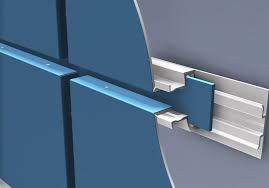
Channel systems offer a modern approach to joining aluminum composite panels:
Types of Profiles:
H-profiles for vertical joints
U-channels for edges
Z-profiles for horizontal joints
Custom extrusions for specific details
Installation Requirements:
Minimum 20mm insertion depth
3-4mm expansion allowance
Proper drainage consideration
Ventilation gaps
Design Considerations and Technical Requirements
Load Calculations
When determining how to join aluminum composite panel sections, consider these loads:
Wind Load:
Building height
Geographic location
Exposure category
Dead Load:
Panel weight
Attachment system
Additional fixtures
Seismic Considerations:
Building zone
Panel size
Connection flexibility
Environmental Factors
🌡️ Temperature Range Considerations:
Minimum: -20°C
Maximum: +80°C
Expansion Rate: 0.025mm/m/°C
Climate Considerations:
Humidity exposure
UV radiation
Chemical exposure
Coastal conditions (salt spray)
Quality Control and Safety Measures
Pre-Installation Checklist
Material inspection
Structure alignment
Environmental conditions check
Tool calibration
Safety equipment verification
Installation Quality Control
Regular checks during the process of joining aluminum composite panels:
Bond Testing
Fastener Torque
Joint Width Verification
Level and Plumb Checks
Weather Sealing
Maintenance and Long-term Care
Maintenance Schedule
Task
Frequency
Notes
Visual Inspection
Quarterly
Check for damage
Cleaning
Semi-annual
Use approved cleaners
Sealant Check
Annual
Replace if needed
Fastener Inspection
Annual
Check torque
Full Assessment
5 Years
Professional inspection
Troubleshooting Common Issues
Common Problems When Joining Aluminum Composite Panels
Panel Deflection
Cause: Insufficient support
Solution: Add intermediate supports
Prevention: Proper planning and structural analysis
Water Infiltration
Cause: Poor sealing
Solution: Sealant replacement
Prevention: Quality materials and proper joint design
Aesthetic Issues
Cause: Installation errors
Solution: Proper techniques and training
Prevention: Training and quality control measures
FAQs
Frequently Asked Questions
Q: What is the best method for joining aluminum composite panels?
A: The best method depends on your specific application. Mechanical fastening is ideal for removable installations, while adhesive bonding provides a clean appearance for permanent installations.
Q: How long does adhesive bonding take to cure?
A: Typical curing times range from 24-72 hours, depending on environmental conditions and adhesive type.
Q: Can I join aluminum composite panels in cold weather?
A: Most adhesive manufacturers recommend installation temperatures between 5°C and 35°C for optimal results.
Related Keywords and Topics
ACP installation techniques
Metal composite material joining
Architectural panel installation
Façade system assembly
Construction panel mounting
Building cladding installation
Conclusion
Understanding how to join aluminum composite panels correctly is crucial for successful architectural and construction projects. Whether choosing mechanical fastening, adhesive bonding, or channel systems, proper technique and attention to detail ensure lasting results. Remember to consider environmental factors, load requirements, and maintenance needs when selecting your joining method. Always consult local building codes and manufacturer specifications before beginning any installation project. Professional installation is recommended for large-scale applications.