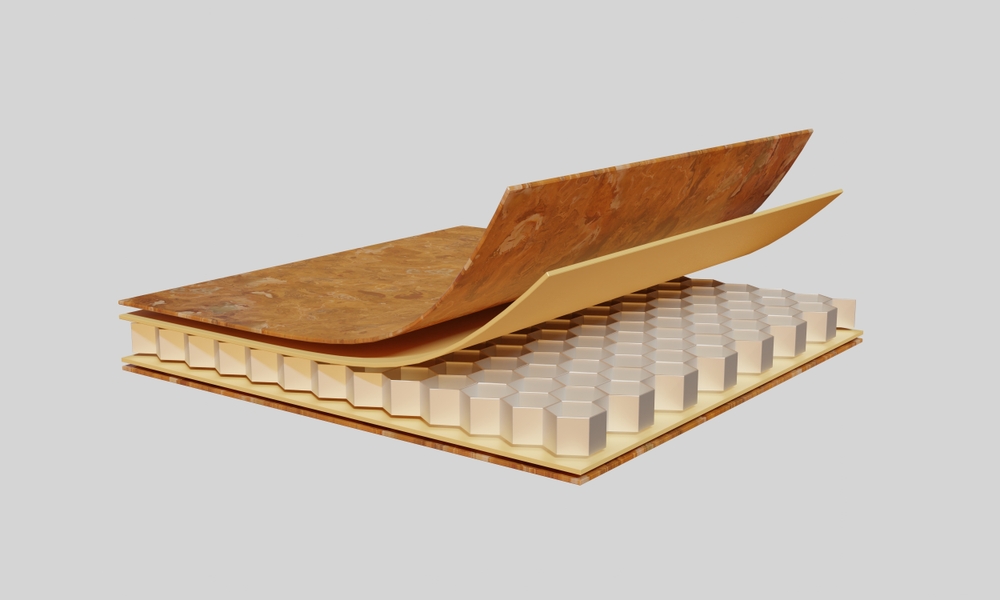
The façade of a building is more than just its outer appearance; it plays a crucial role in defining the structure's identity, functionality, and sustainability. Understanding what are the parameters of façade design is essential for architects, engineers, and builders aiming to create aesthetically pleasing and high-performing buildings. This article delves into the various parameters that influence façade design, providing insights into their significance and interrelationships.
Façade design is a multifaceted process that encompasses aesthetic, functional, structural, and regulatory considerations. The parameters of façade design must be carefully balanced to achieve a building that is not only visually appealing but also efficient and durable. Below, we explore the key parameters that architects consider when designing façades.
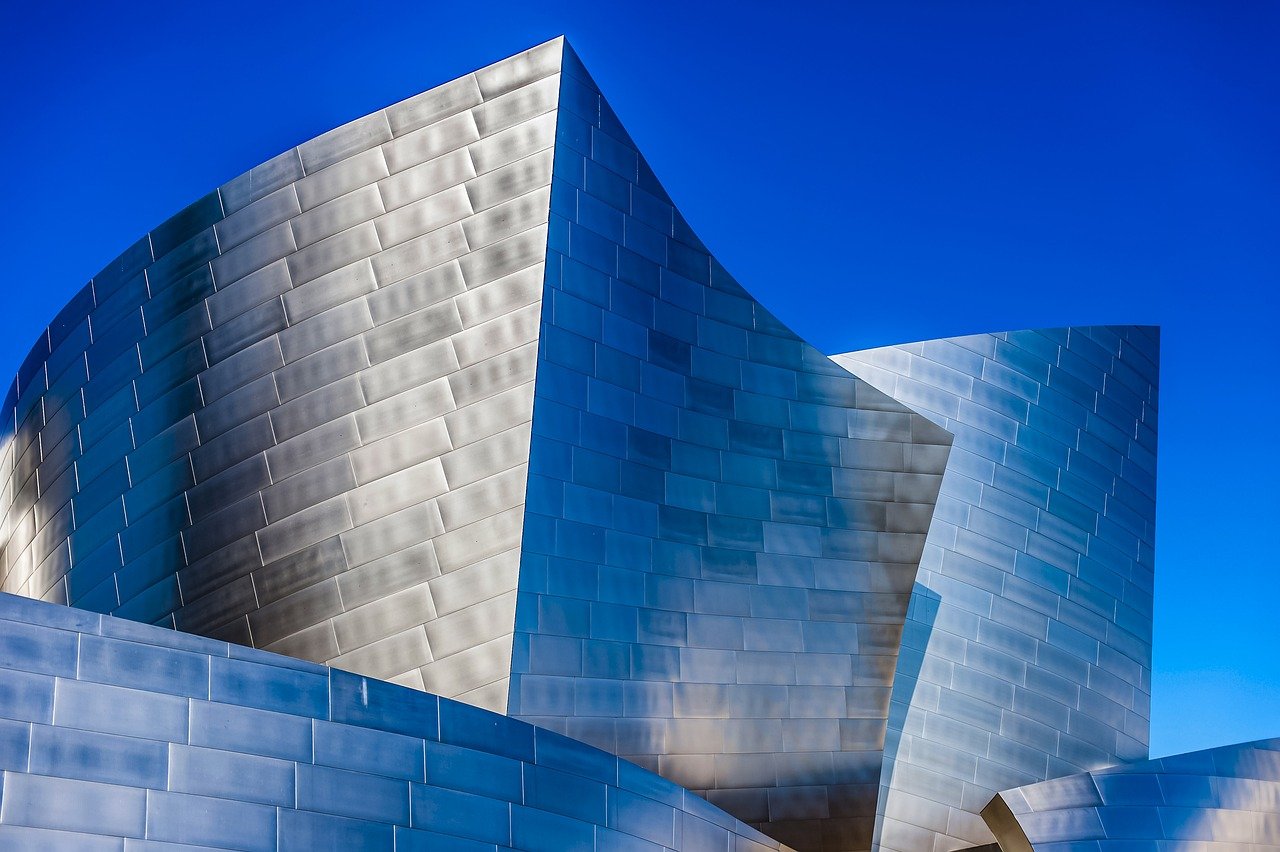
Design flexibility refers to the ability of architects to manipulate various design parameters, such as shape, size, and spatial relationships, using parametric design tools. This approach allows for innovative solutions tailored to specific site conditions and requirements.
Modern architectural projects often utilize parametric software like Rhino or Grasshopper, enabling designers to explore complex geometries that respond dynamically to environmental factors such as sunlight and wind direction.
When considering what are the parameters of façade, environmental factors play a pivotal role in ensuring that buildings are sustainable and energy-efficient.
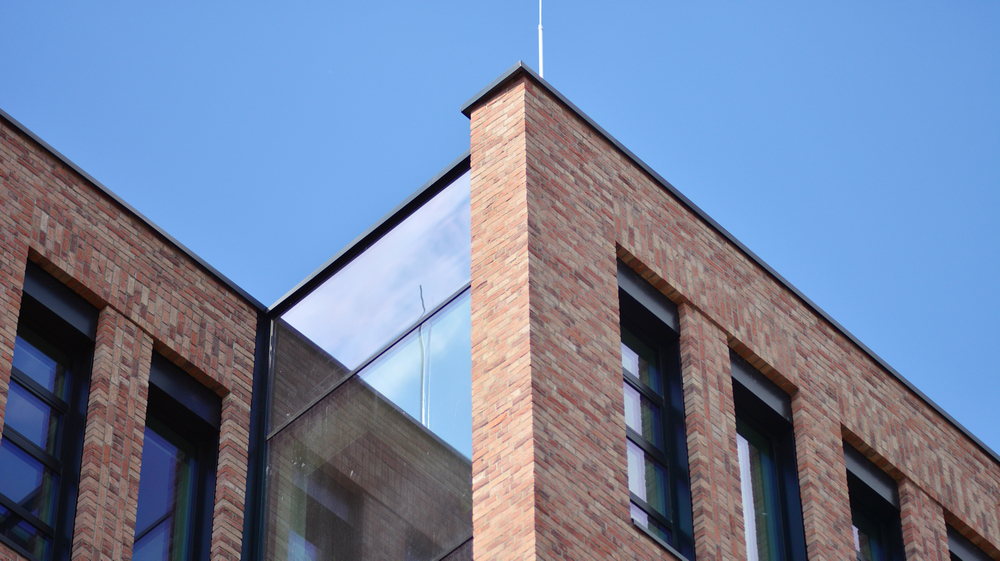
Choosing the right materials is crucial for achieving desired aesthetics and performance in façade design.
| Material Type | Durability | Thermal Insulation | Acoustic Properties | Sustainability |
| Glass | Moderate | High | Low | Variable |
| Metal | High | Moderate | Moderate | High |
| Wood | Moderate | High | High | Variable |
| Composite | High | High | Moderate | High |
Façades must support their own weight as well as additional loads from wind, snow, or seismic activity. This requires thorough structural analysis.
Beyond aesthetics, façades serve multiple functions that enhance building performance.
For instance, a well-designed façade may include operable windows that allow occupants to control ventilation based on their preferences while maximizing natural light.
Understanding local building codes is essential when addressing what are the parameters of façade design. These regulations ensure safety and accessibility standards are met.
The choice of construction techniques significantly affects the efficiency and quality of façade installation.
Efficient construction methods minimize delays and reduce costs while ensuring high-quality outcomes.
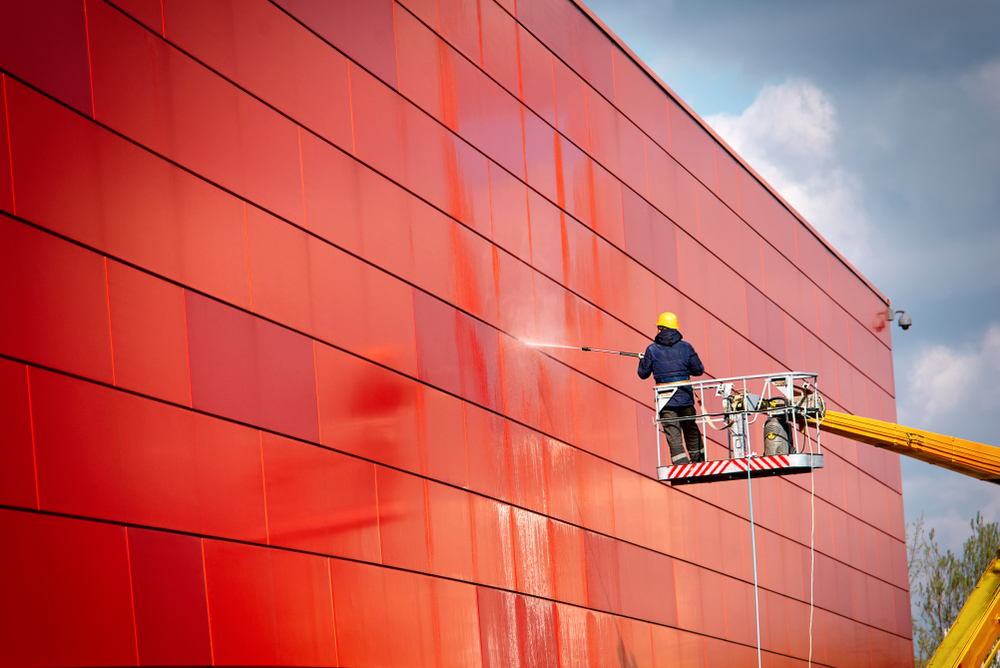
Long-term maintenance costs are a critical factor in façade design. Architects often specify finishes that are easy to clean and maintain over time.
| Lifecycle Aspect | Importance |
| Maintenance Frequency | Low maintenance reduces costs |
| Material Longevity | Durable materials extend lifespan |
| Aesthetic Retention | Long-lasting finishes maintain appearance |
Understanding the question "What are the parameters of façade?" reveals a complex interplay between aesthetic appeal, functionality, structural integrity, environmental responsiveness, material selection, compliance with regulations, construction methods, and lifecycle considerations. By integrating these elements thoughtfully, architects can create façades that not only enhance the visual appeal of buildings but also contribute positively to their performance and sustainability.
Incorporating innovative designs through parametric approaches allows for greater customization while addressing environmental challenges effectively. As architectural practices continue to evolve with technology advancements, understanding these parameters will remain crucial in shaping the future of building façades.