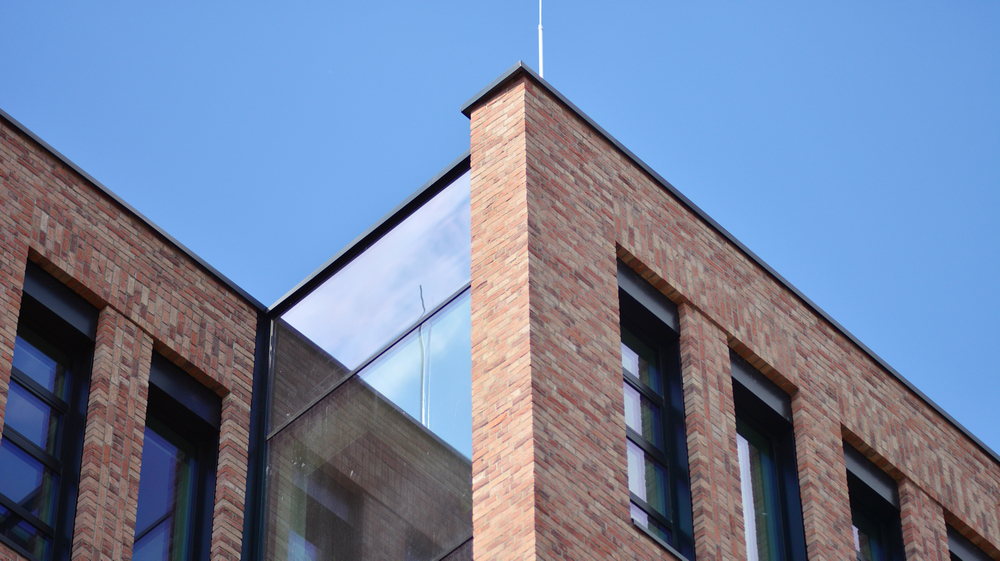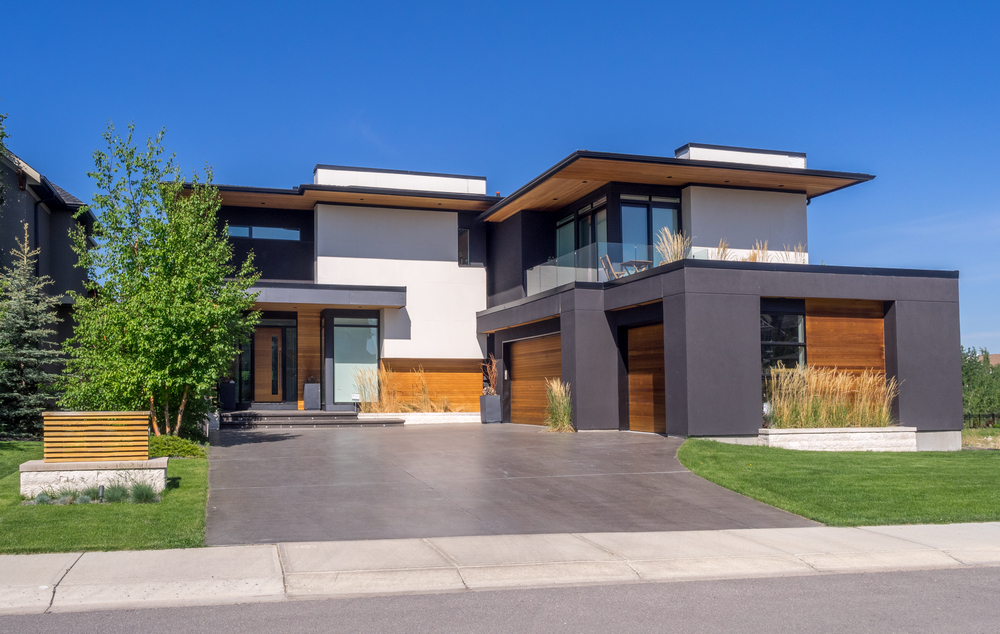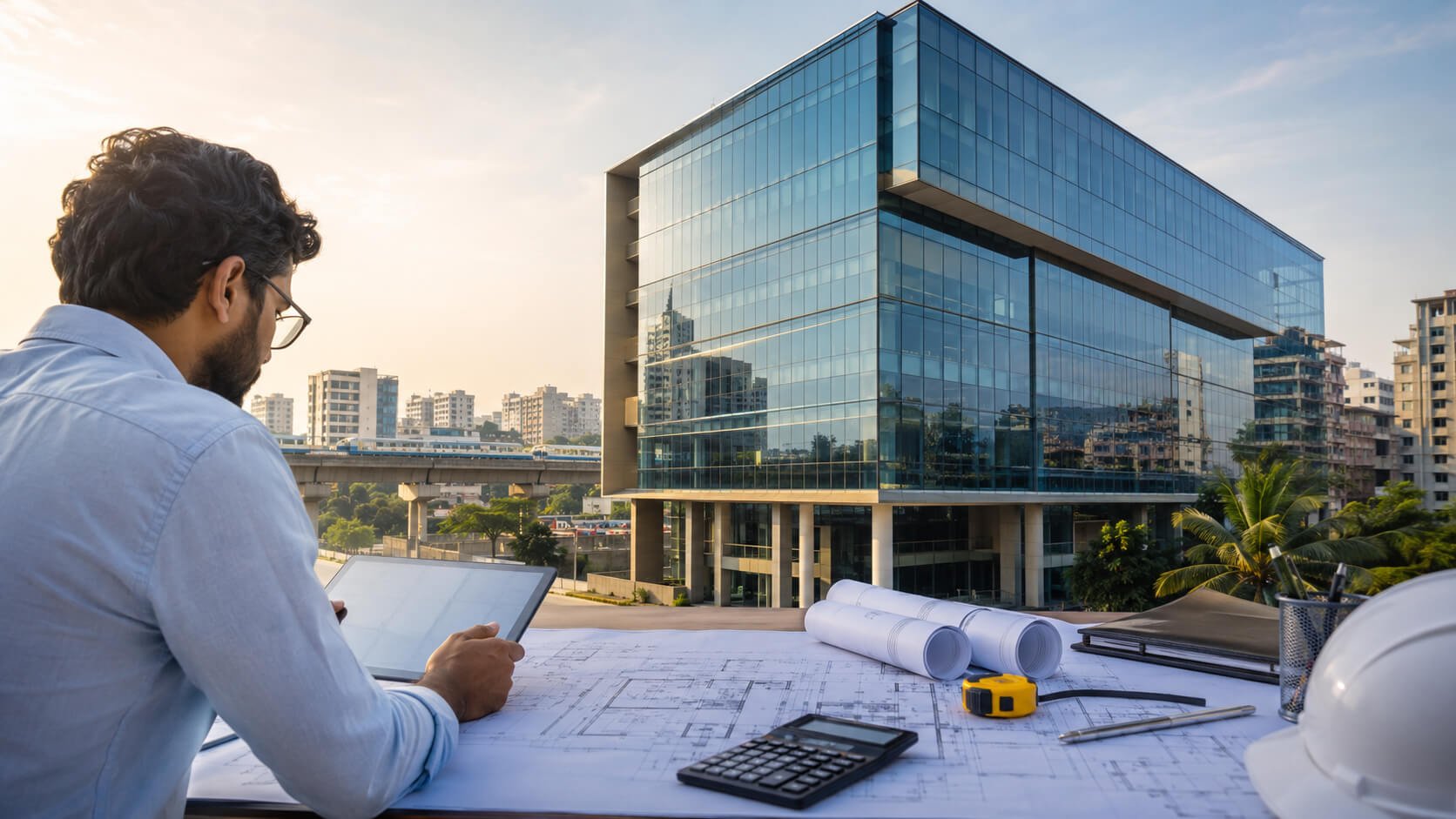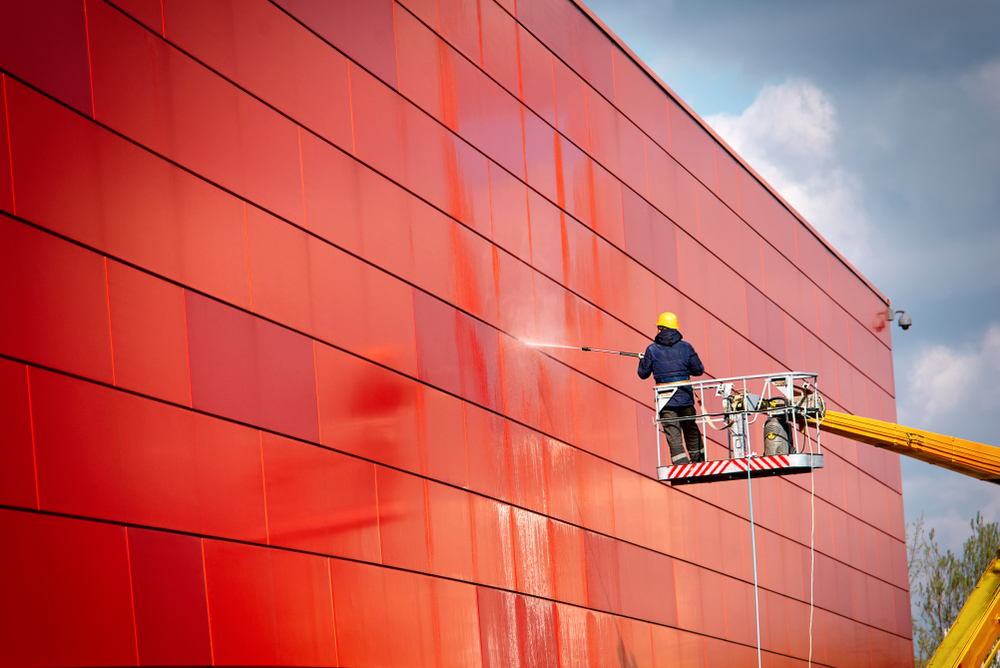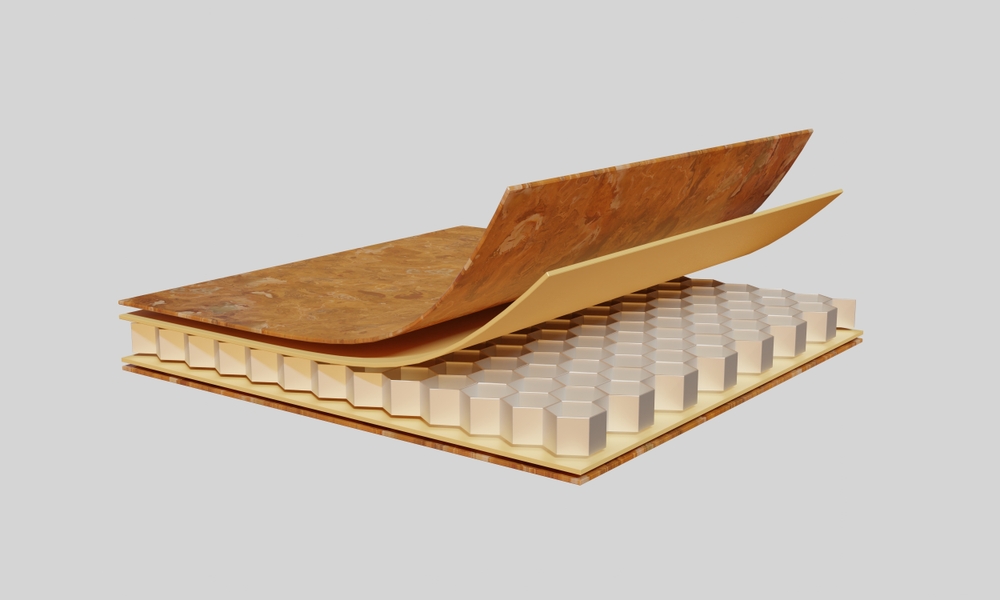
When discussing architecture, one term that frequently arises is "house facades." The facade is the front-facing exterior of a house—the part that people notice first. Beyond being a visual element, the facade serves several functional and symbolic purposes. In this article, we will explore house facades in depth, examining their design elements, functionality, symbolism, and modern innovations.
The term "house facade" refers to the exterior front side of a building. It typically includes architectural features such as windows, doors, porches, and decorative elements. A facade is more than just a pretty face; it plays a vital role in protecting the building and influencing its environmental performance.
A facade creates the first impression of a home and defines its visual appeal. Architectural details like color, materials, and layout contribute significantly to its attractiveness.
| Architectural Style | Key Characteristics |
| Modern | Minimalist, glass-heavy |
| Victorian | Ornate, colorful |
| Mediterranean | Stucco, terracotta |
| Rustic | Natural materials |
While aesthetics are essential, a house facade serves several practical functions:
Facades shield the home from weather elements like wind, rain, and extreme temperatures. High-quality materials and design improve durability and resilience.
Energy-efficient facades can significantly lower heating and cooling costs by incorporating:
| Feature | Function |
| Insulation | Temperature regulation |
| Shading Devices | Blocks excessive sunlight |
| Energy-efficient Windows | Maximizes natural lighting, reduces loss |
Facades with strategically placed windows ensure proper airflow, promoting a healthy indoor environment.
House facades often reflect the homeowner’s personality, cultural influences, or social status. For instance:
House facades consist of multiple elements working together to create a harmonious design.
| Component | Purpose |
| Entryways | Create a welcoming focal point |
| Windows | Allow light and ventilation |
| Cladding | Protects and beautifies the building |
| Rooflines | Adds visual identity to the overall design |
These are simple and cost-effective, consisting of a single layer of material. Common in traditional homes, they provide basic protection against the elements.
Used in modern architecture, these facades consist of two layers with a ventilated cavity in between. They improve insulation and energy efficiency.
Green facades incorporate living plants to enhance insulation, air quality, and aesthetics. Examples include vertical gardens and climbing vegetation.
These employ technologies like LED lighting or movable panels to create dynamic, adaptive designs.
| Type | Key Features |
| Single-Skin | Basic protection |
| Double-Skin | Enhanced insulation, energy efficiency |
| Green | Eco-friendly, air-purifying |
| Interactive | Technological adaptability, dynamic designs |
Sustainable facades integrate eco-friendly materials and design principles to minimize environmental impact.
Architectural advancements have introduced innovative facade designs, including smart and adaptive technologies.
These incorporate sensors and automation to adapt to environmental changes, optimizing energy efficiency.
Emerging technologies like 3D printing allow for intricate, custom designs that were previously impossible.
Facades integrated with photovoltaic panels convert sunlight into energy, reducing reliance on traditional power sources.
House facades are more than just the "face" of a building. They blend aesthetics, functionality, and sustainability to shape how a home interacts with its environment and represents its inhabitants. Whether you're renovating or building from scratch, investing in a thoughtful facade design can enhance not only your home's curb appeal but also its energy performance and longevity.
Understanding the components, styles, and innovations in house facades will help you make informed decisions to create a home that is beautiful, functional, and environmentally responsible.