What Adhesive for Exterior Stone Cladding? The Ultimate Guide
Introduction
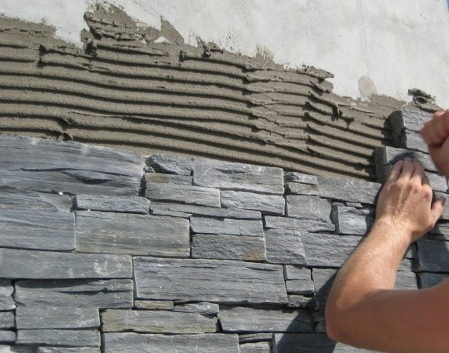
Exterior stone cladding enhances the aesthetic appeal and durability of buildings. However, choosing the right adhesive is crucial to ensuring long-lasting performance. In this comprehensive guide, we explore what adhesive for exterior stone cladding is best, factors to consider, types of adhesives, installation tips, and more.
Why Choosing the Right Adhesive Matters
The adhesive used for exterior stone cladding must withstand:
Extreme weather conditions (heat, cold, moisture)
Structural movements
Weight of the stone cladding
Thermal expansion and contraction
Using the wrong adhesive can lead to detachment, water infiltration, and structural damage.
Factors to Consider When Selecting Adhesive for Exterior Stone Cladding
Type of Stone Material – Natural stone, artificial stone, granite, marble, and slate require different adhesive formulations.
Surface Type – Concrete, cement boards, bricks, and drywall affect adhesive selection.
Weather Resistance – Choose adhesives that are waterproof and resistant to freeze-thaw cycles.
Applying on unstable surfaces – Leads to detachment over time.
FAQs About Adhesives for Exterior Stone Cladding
1. What is the strongest adhesive for exterior stone cladding?
Epoxy adhesives offer the highest bonding strength and durability for heavy stone applications.
2. Can I use regular cement mortar for stone cladding?
Regular cement mortar lacks flexibility and bonding strength, making it unsuitable for exterior stone cladding.
3. How long does stone cladding adhesive take to dry?
Drying time varies based on adhesive type:
Cement-based: 24-48 hours
Epoxy: 6-12 hours
Polyurethane: 12-24 hours
4. Do I need to seal exterior stone cladding?
Yes, sealing enhances water resistance and prolongs stone durability.
Conclusion
Selecting the right adhesive for exterior stone cladding is crucial for durability and aesthetic appeal. Cement-based adhesives work well for general use, epoxy is best for extreme conditions, and polyurethane suits flexible applications. Follow proper installation techniques to ensure long-lasting results.
For professional-grade results, always consult manufacturer guidelines and consider hiring an expert for installation.