When you stroll through a city, what catches your eye first? Is it the bustling streets, the aroma of street food, or perhaps the urban facades that stand tall and proud? These facades are not just walls; they are the very skin of our cities. They tell stories, reflect cultures, and even influence our moods. So, let’s dive deep into the world of urban facades and uncover their secrets.
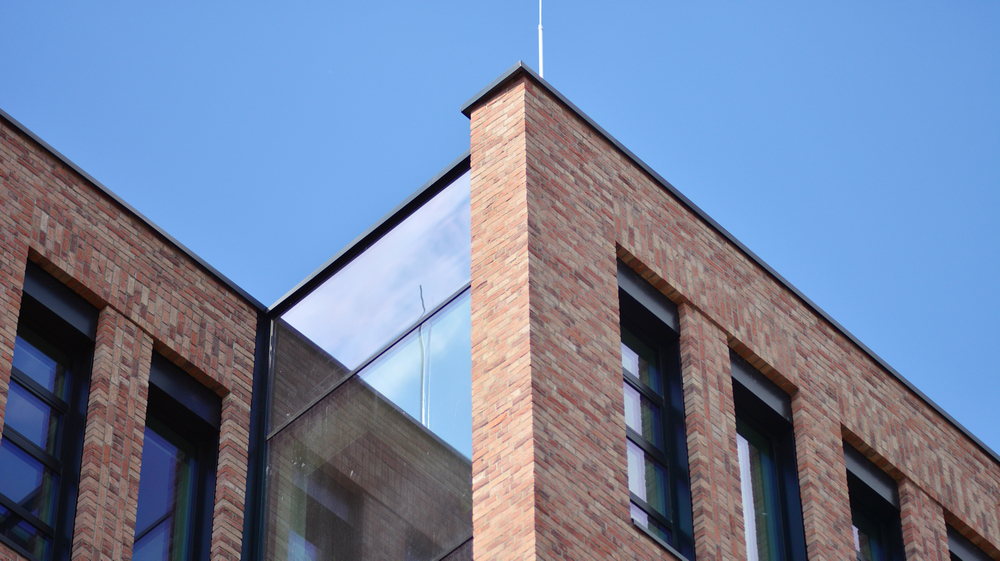
Urban facades are the exterior faces of buildings in a city. They’re like a book cover—what's inside might be fascinating, but it’s the cover that draws you in. Facades can be made from various materials such as glass, brick, metal, or wood. Each material tells its own story.
Think of it this way: if buildings were people, their facades would be their outfits. Some might wear sleek, modern attire (hello, glass!), while others might don a classic vintage look (brick, anyone?).
Facades play a crucial role in urban design. They:
In short, they’re not just pretty faces; they’re functional and essential to our urban landscapes.
Imagine walking through a historical district. The facades are adorned with intricate details and classic designs. These buildings whisper tales of the past.
Historically, facades were designed to showcase craftsmanship. Think about the ornate decorations on Victorian buildings or the simplicity of mid-century modern designs.
As time marched on, so did architectural styles. The rise of modernism brought about clean lines and minimalistic designs. Today’s urban facades often blend various styles, creating a delightful mix that reflects our diverse society.
Have you ever heard of the term "the fifth facade"? It refers to roofs as an essential part of building design. Just like a hat completes an outfit, roofs can enhance the overall aesthetic of a building.
In urban areas where space is limited, rooftops are often transformed into gardens or recreational spaces. Imagine sipping coffee on a rooftop garden while gazing at the skyline!
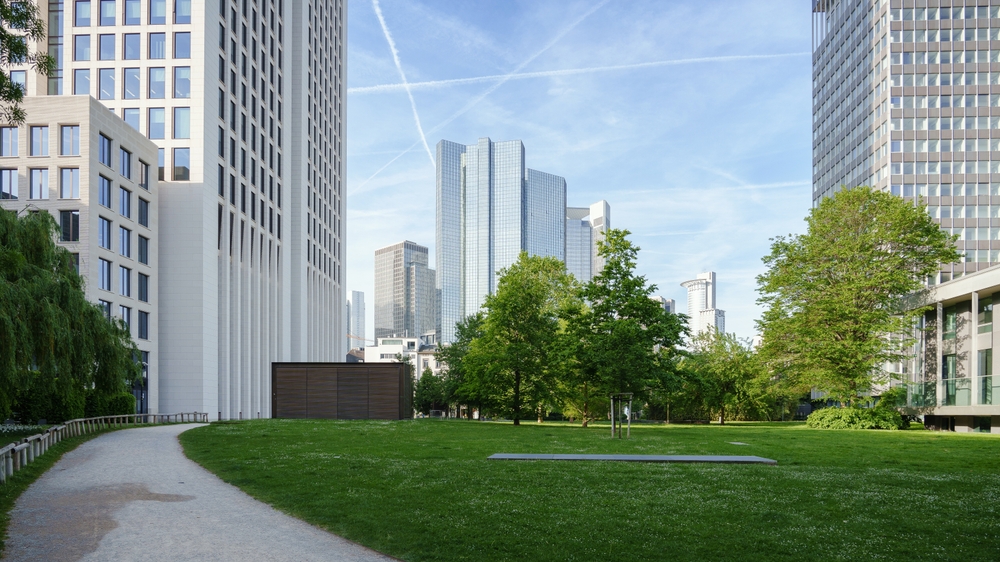
Glass facades have taken urban architecture by storm. They offer transparency and light. Walking past a glass building feels like peeking into someone’s living room—intimate yet slightly voyeuristic.
However, glass isn’t just for show. It can be engineered for energy efficiency too! Double-glazed windows help keep buildings warm in winter and cool in summer.
Brick has stood the test of time. It’s sturdy and offers excellent insulation. Plus, there’s something comforting about brick buildings—they feel solid and reliable.
Many cities have embraced brick for its aesthetic appeal and durability. Just think about those charming streets lined with red-brick houses!
Metal facades bring an edgy vibe to urban landscapes. They can be shaped into various forms and are often used in contemporary designs.
From aluminum panels to corten steel that rusts beautifully over time, metal adds texture and interest to any building.
Today’s architects are focusing on sustainable design more than ever before. Green facades—those adorned with plants—are becoming popular in urban settings.
These living walls not only look stunning but also improve air quality and reduce heat absorption in buildings. It's like giving your building a green thumb!
Imagine facades that can adapt to weather changes! Smart technologies allow buildings to respond dynamically to their environment.
For example, some facades can adjust their shading based on sunlight intensity. This helps reduce energy consumption while keeping interiors comfortable.
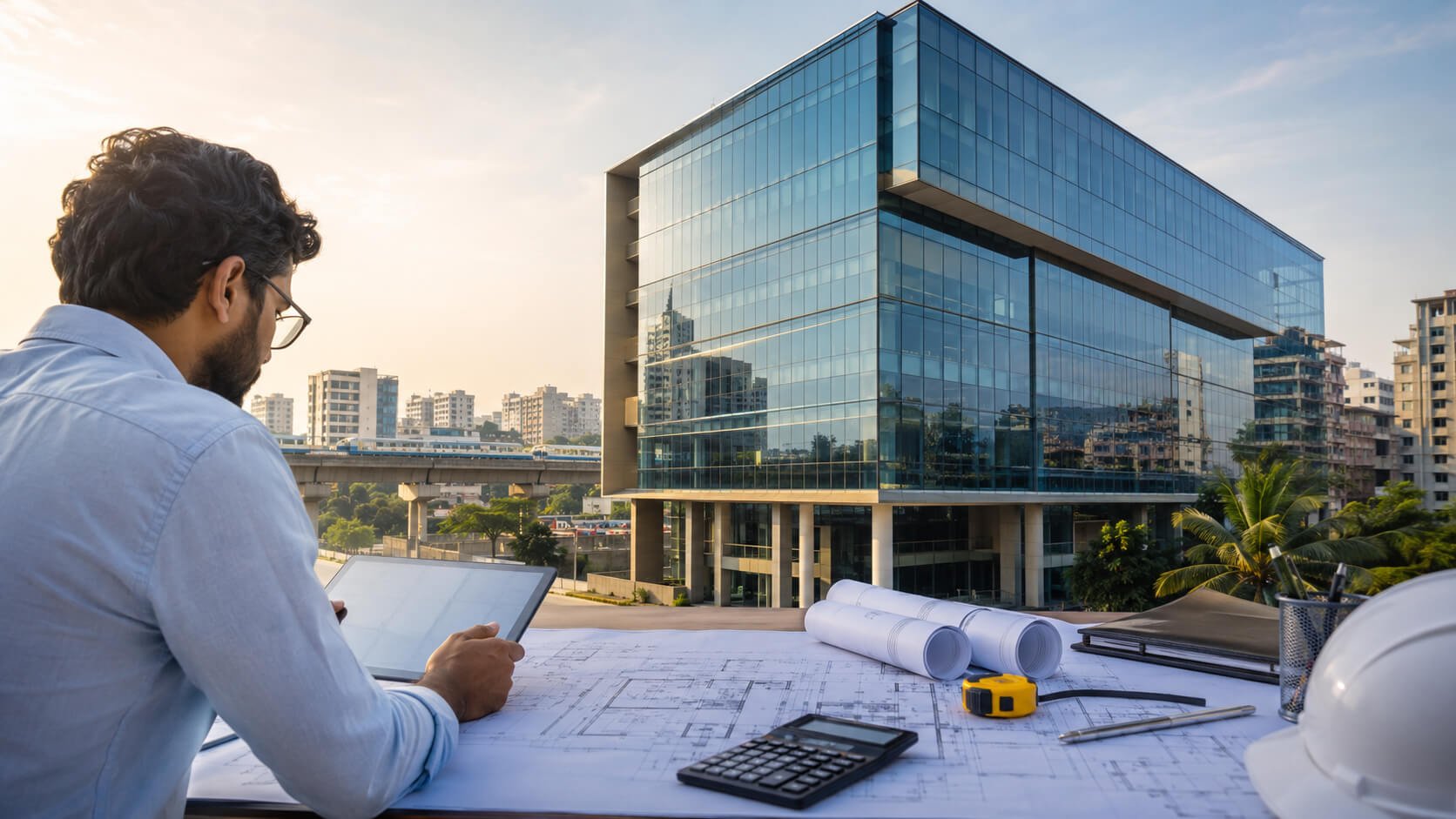
Designing urban facades isn’t all sunshine and rainbows. Architects face several challenges:
Navigating these challenges requires creativity and collaboration among architects, developers, and communities.
When we talk about urban facades, we can't ignore how they affect our daily lives. A well-designed facade can enhance user experience significantly.
Imagine walking into a building flooded with natural light versus one that feels dark and dreary. A facade's design influences how much light enters a space.
Architects often consider light quality when designing facades to create inviting environments that boost mood and productivity.
No one likes stepping into an oven or freezer! Properly designed facades help regulate indoor temperatures by providing insulation against external weather conditions.
This means you’ll stay cozy in winter without cranking up the heat too high!
Every city has its unique vibe shaped by culture and history. This is reflected in its architecture.
In many regions, local materials are used to create facades that resonate with cultural identity. For instance:
These choices not only honor tradition but also create a sense of belonging within communities.
Murals and artistic elements on building facades add vibrancy to urban environments. They tell stories about local culture and history while making neighborhoods more inviting.
Think about those stunning street art pieces that turn dull walls into canvases!
When it comes to designing urban facades, economics plays a significant role.
Architects often face a balancing act between cost and quality when selecting materials for facades. While high-quality materials may offer durability and aesthetics, they can also strain budgets.
Investing in quality might mean fewer repairs down the line—like buying a sturdy pair of shoes instead of cheap flip-flops!
A well-designed facade can increase property values significantly. Think about it: would you rather live in a building with an eye-catching facade or one that looks like it hasn’t seen love in decades?
Investors know this too! They often prioritize aesthetic appeal when developing properties to attract buyers or tenants.
Navigating regulations is part of the architect's job description! Building codes ensure safety while also guiding aesthetic choices for urban facades.
Zoning laws dictate how buildings can be constructed within specific areas. These laws may limit height, materials used, or design elements to maintain neighborhood character.
While these regulations might seem restrictive at times, they help preserve community identity!
Safety comes first! Compliance standards ensure that materials used for facades meet fire safety regulations and structural integrity requirements.
Architects must stay updated on these standards to ensure their designs are safe for occupants.
Involving communities in facade design is crucial for creating spaces people love!
Engaging with community members helps architects understand what residents value most about their neighborhoods.
Conducting surveys or holding public meetings allows locals to express their opinions on proposed designs. This collaborative approach fosters trust between developers and communities!
When communities feel involved in the design process, they’re more likely to embrace new developments positively.
Think about it: wouldn’t you feel more connected to a building if you had a say in its design?
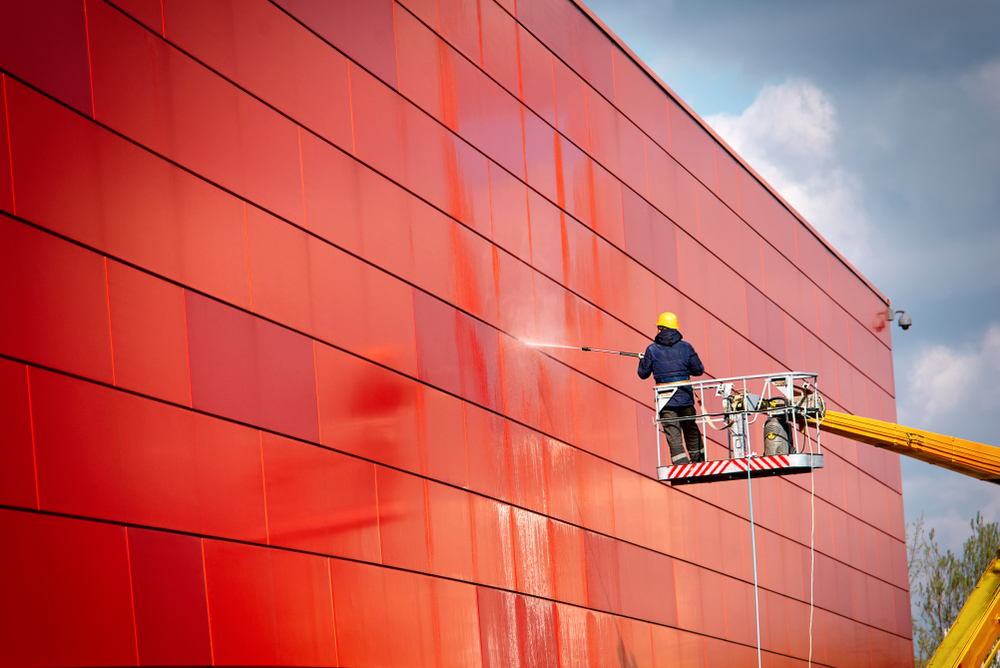
Just like your favorite pair of jeans needs occasional washing, urban facades require maintenance too!
Routine maintenance keeps facades looking fresh while preventing larger issues down the line—like mold growth or paint peeling off like old wallpaper!
Building owners should schedule regular inspections to catch any problems early on before they escalate into costly repairs.
Investing in durable materials means less frequent repairs over time—saving both money and headaches!
Consider opting for weather-resistant finishes or high-quality sealants when designing new facades for long-term benefits.
Urban facades are more than just walls; they’re storytellers that shape our experiences within cities. From historical charm to modern innovation, these structures reflect who we are as communities.
As we move forward into an era focused on sustainability and technology integration, let’s remember the importance of thoughtful facade design—because every great city deserves a face worth looking at!
So next time you walk down your favorite street, take a moment to appreciate those stunning urban facades around you—they're not just buildings; they're part of our shared story!