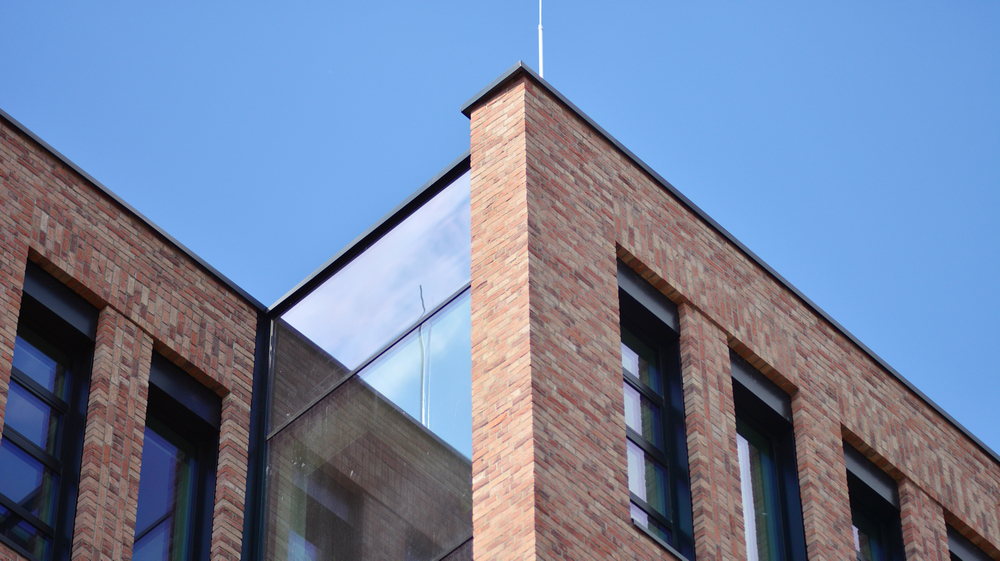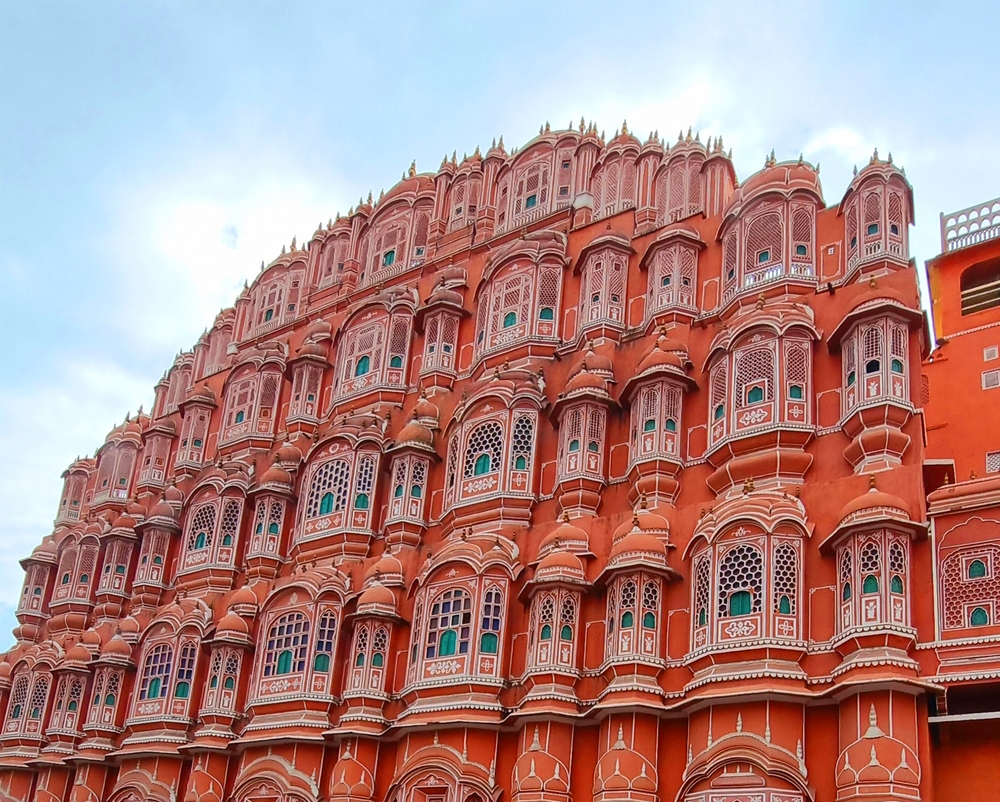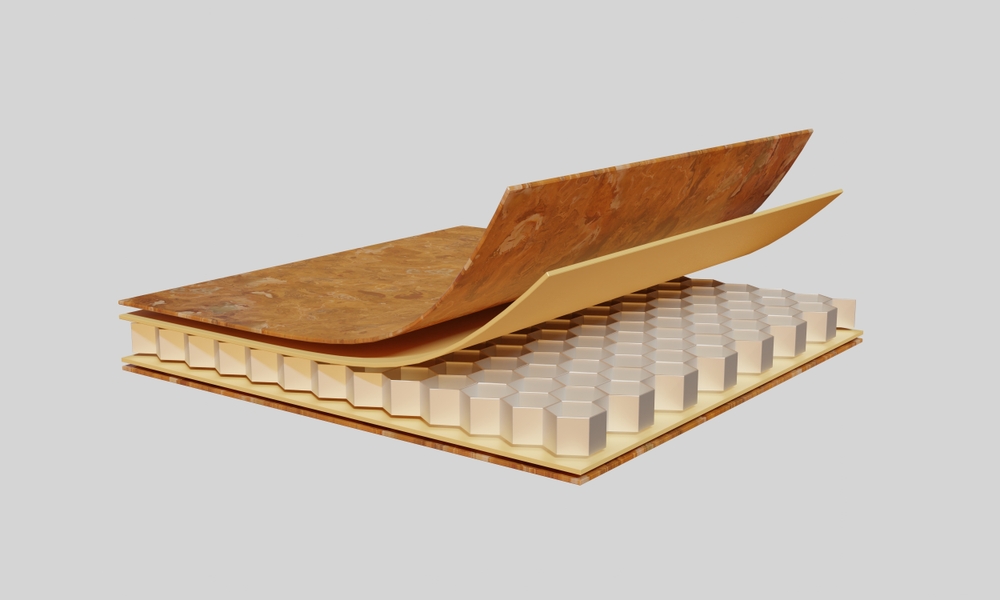
Terracotta building facade are the trendy rebels of architecture—chic, eco-friendly, and just a tad rustic. The problem? Many buildings are still sporting those boring, outdated looks that shout “I haven’t updated since the ’80s!”
But don’t worry! This article will reveal the magic of terracotta, guiding you to swap the bland for a facade that’s not only beautiful but also kind to the planet. By the end, you’ll be equipped to turn your building into a contemporary gem that even Mother Nature would give a thumbs up!
Terracotta, derived from the Italian words "terra" (earth) and "cotta" (cooked), is a ceramic material made from fired clay. Its use in building facades has seen a resurgence due to its unique combination of beauty, versatility, and performance. Terracotta facades are not only visually striking but also offer practical benefits such as thermal insulation and durability.
Terracotta has a rich historical context, with origins dating back to ancient civilizations. The Greeks, Romans, Egyptians, and Chinese utilized terracotta for various architectural elements, including roof tiles, sculptures, and decorative details. This historical legacy adds cultural value to modern terracotta facades, allowing architects to evoke a sense of tradition while integrating contemporary design principles.
| Civilization | Use of Terracotta |
| Ancient Greeks | Roof tiles, statues |
| Romans | Architectural details, bricks |
| Egyptians | Statues, decorative elements |
| Chinese | Roof tiles, pottery |
| Native Americans | Pottery, functional and decorative items |
The manufacturing process of terracotta involves several key steps:
Innovations in manufacturing, such as the use of extruded clay and advanced kiln technologies, have enabled the production of long, uniform shapes suitable for rainscreens and brise soleils.
Terracotta facades offer architects extensive design flexibility, allowing for the creation of unique and intricate designs. Key design possibilities include:
| Design Option | Description |
| Geometric Shapes | Complex patterns that enhance aesthetics |
| Textured Finishes | Varied surface textures for visual interest |
| Color Variations | Customizable colors for unique appearances |
Terracotta facades offer numerous advantages that make them a preferred choice in modern architecture:
Terracotta facades can be utilized in various building types, including:
| Building Type | Application Example |
| Cultural Institutions | Museums, art galleries |
| Commercial Buildings | Skyscrapers, office complexes |
| Residential Projects | Single-family homes, apartment buildings |
Recent advancements in installation techniques have made terracotta facades more accessible and efficient to install. Key innovations include:
The sustainability of terracotta facades extends beyond their natural composition. Many manufacturers emphasize local sourcing of materials, reducing transportation emissions and supporting local economies. For example, companies in regions with rich clay deposits produce terracotta with minimal environmental impact.
| Sustainability Aspect | Description |
| Local Sourcing | Reduces transportation emissions |
| Natural Material | Eco-friendly and recyclable |
| Energy Efficiency | Contributes to reduced energy consumption |
Terracotta building facade represent a harmonious blend of tradition and innovation in modern architecture. With their historical significance, design flexibility, durability, and sustainability, terracotta facades are an excellent choice for a wide range of building projects. As architects and builders continue to explore the possibilities of this versatile material, terracotta will undoubtedly play a significant role in shaping the future of architectural design.
By understanding the unique characteristics and benefits of terracotta facades, stakeholders in the construction industry can make informed decisions that enhance the functionality and beauty of their projects. Whether used in cultural institutions, commercial buildings, or residential designs, terracotta remains a timeless choice that resonates with both aesthetic and practical considerations.