Stone cladding is a popular choice for both interior and exterior applications due to its durability and aesthetic appeal. However, when considering its use in areas exposed to high temperatures, such as fireplaces or sun-exposed facades, it's essential to understand its heat resistance properties. This article delves into the thermal characteristics of various stone cladding materials, providing insights to help you make informed decisions for your projects.The Sprucestone-wall-cladding.com
Heat resistance refers to a material's ability to withstand high temperatures without degrading or losing structural integrity. In the context of stone cladding, this property is crucial for applications like fireplace surrounds, kitchen backsplashes, or building exteriors in hot climates.
Different stones have varying thermal conductivities, which affect their heat resistance. The table below summarizes the thermal conductivity (k-value) and thermal resistance (R-value) of common natural stones used in cladding:Natural Stone Institute
| Stone Type | Thermal Conductivity (W/m·K) | Thermal Resistance (R-value) |
| Granite | 1.73 - 3.98 | 0.038 - 0.083 |
| Limestone | 1.26 - 2.15 | 0.067 - 0.114 |
| Marble | 2.07 - 2.94 | 0.049 - 0.070 |
| Sandstone | 1.83 - 2.90 | 0.050 - 0.079 |
| Quartzite | 5.38 | 0.027 |
Source: Natural Stone InstituteDURAMICA.COM+12Natural Stone Institute+12Dino Decking+12
Lower thermal conductivity indicates better insulation properties, meaning the material is less likely to transfer heat. Therefore, stones like limestone and sandstone offer better insulation compared to quartzite.jkstones.in
Natural stone is inherently non-combustible, making it a safe choice for fire-prone areas. However, the performance can vary based on the stone type and installation method.Wikipedia+9Dino Decking+9StonePly+9
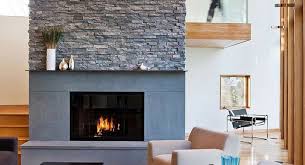
Stone cladding is ideal for fireplace surrounds due to its heat resistance. Materials like granite and quartzite are commonly used, but it's essential to ensure proper installation to prevent cracking. The Spruce
In hot climates, stone cladding helps in maintaining cooler indoor temperatures by reflecting sunlight and resisting heat absorption. Natural stones remain cool to the touch even under direct sunlight, unlike metal claddings. stone-wall-cladding.com
For kitchen backsplashes and countertops, stones like lava stone offer excellent heat resistance and durability. Lava stone countertops are non-porous and can withstand temperature fluctuations, making them suitable for both indoor and outdoor use. Better Homes & Gardens
Stone cladding is indeed heat resistant, making it a suitable choice for various applications exposed to high temperatures. By understanding the thermal properties of different stones and ensuring proper installation, you can enhance the safety, efficiency, and aesthetics of your space.