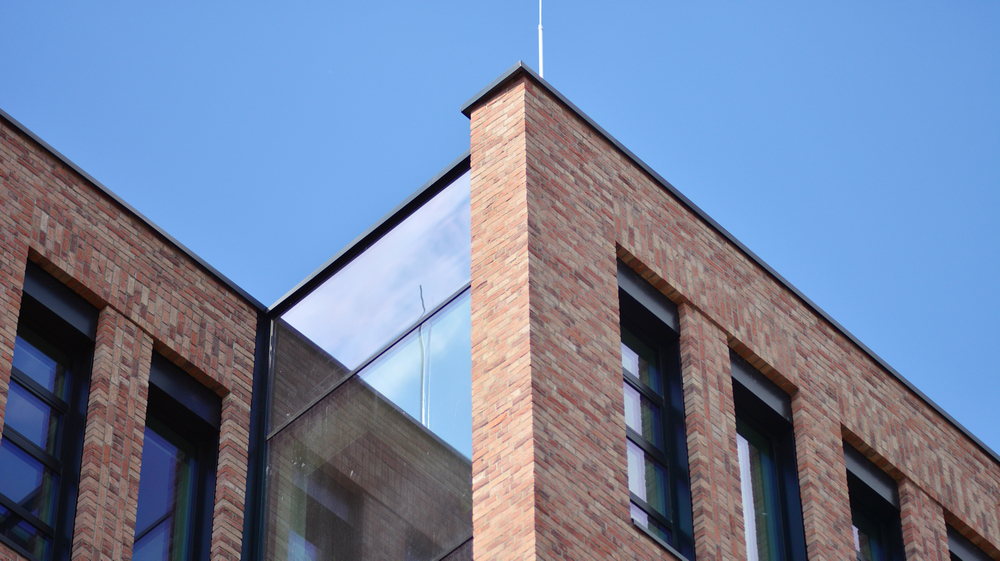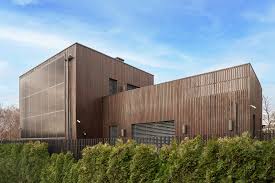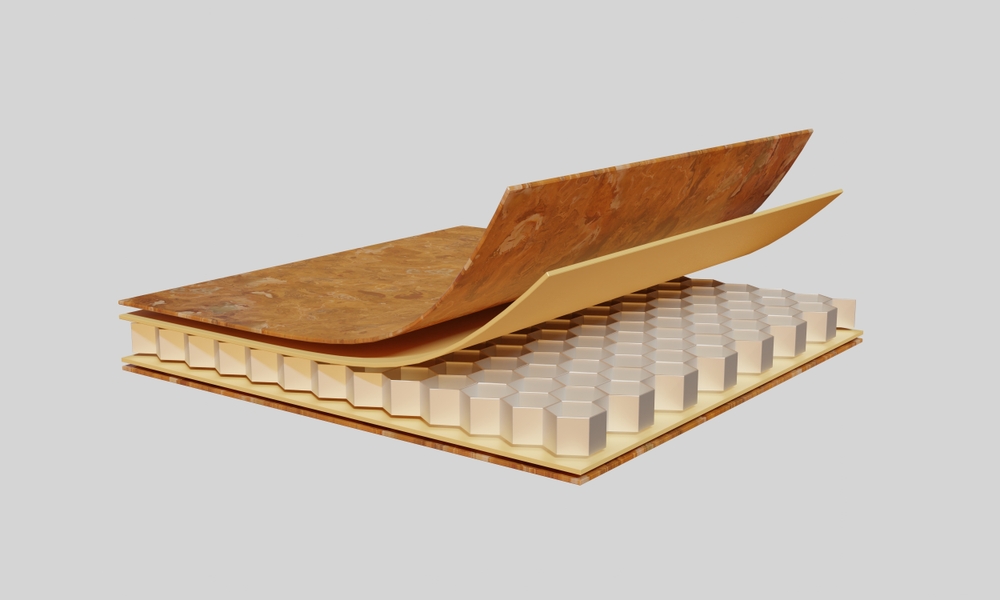
Photovoltaic facade systems are revolutionizing the way buildings generate energy, combining functionality with aesthetic appeal. As a subset of Building Integrated Photovoltaics (BIPV), these systems integrate solar technology directly into the building envelope, allowing structures to harness solar energy while serving as essential building materials. This article delves into the various aspects of photovoltaic facade systems, including their types, benefits, technical characteristics, and real-world applications.
Photovoltaic facade systems are integrated solutions that replace traditional building materials with photovoltaic modules that generate electricity. These systems serve a dual purpose: they provide structural integrity and energy generation capabilities. By incorporating solar technology into the facade, buildings can significantly reduce their reliance on grid power, contributing to energy efficiency and sustainability.
Photovoltaic facade systems can be categorized into two primary types:
BAPV systems are retrofitted onto existing structures. They are typically mounted on the exterior walls or roofs and do not replace any building components. Common applications include:
BIPV systems are integrated into the building's structure, replacing traditional building materials. Common applications include:
| Feature | BAPV | BIPV |
| Integration | Retrofits existing structures | Integral part of the building |
| Aesthetic Appeal | Limited design flexibility | High design flexibility |
| Energy Generation | Primarily for energy | Dual purpose (energy + structure) |
| Installation Cost | Generally lower | Higher due to custom design |
Photovoltaic facade systems can significantly reduce a building's reliance on grid power. By generating electricity on-site, these systems help lower energy costs, especially during peak demand times when energy prices are higher.
Modern photovoltaic technologies allow for sleek designs that enhance the visual appeal of buildings. Transparent or semi-transparent photovoltaic glazing can create striking architectural features while remaining functional.
Utilizing solar energy helps reduce the carbon footprint of buildings, contributing to sustainability goals and lowering greenhouse gas emissions associated with traditional energy sources.
The thermal barrier created by photovoltaic modules can lead to significant energy savings, sometimes up to 50% of a building's current energy demand. This is particularly beneficial in climates where heating and cooling are major energy expenses.
Photovoltaic facade systems are designed with several key features:
Many systems incorporate a gap between the insulating material and the photovoltaic modules, promoting air circulation and improving thermal performance. This design helps in moisture drainage and enhances the overall energy efficiency of the building.
These systems can utilize various materials, including:
Manufacturers offer extensive customization options in terms of size, shape, color, and transparency of the photovoltaic modules. This flexibility allows architects to create visually appealing designs that blend with the building's architecture.
Located in Switzerland, this facility features a facade with integrated dye-sensitized solar cells, providing both aesthetic value and energy generation capabilities. The design maximizes solar exposure while maintaining an environmentally friendly profile.
This building in Austria incorporates hexagonal photovoltaic panels that blend seamlessly with its design, showcasing the potential for innovative architectural solutions using photovoltaic technology.
This building employs a photovoltaic ventilated facade, enhancing energy self-sufficiency and aesthetic appeal. The integration of solar technology into the facade allows for significant energy savings while providing a modern look.
Similar to the Coca-Cola headquarters, this structure utilizes photovoltaic facades to achieve energy efficiency and aesthetic appeal, showcasing the versatility of BIPV systems in commercial architecture.
The global market for building-integrated photovoltaics is projected to grow significantly, with a compound annual growth rate (CAGR) of 21.0% from 2023 to 2030. This growth is driven by the increasing demand for renewable energy sources and advancements in solar technology. As awareness of energy security and sustainability continues to rise, photovoltaic facade systems are expected to become increasingly prevalent in modern construction.
Photovoltaic facade systems represent a significant advancement in sustainable building technologies. By integrating solar energy generation into the building envelope, these systems provide functional benefits while enhancing the aesthetic value of architectural designs. As technology continues to evolve, the potential for photovoltaic facades to contribute to energy-efficient and environmentally friendly buildings will only increase, making them a vital component of modern architecture.
Incorporating photovoltaic facade system not only helps in reducing energy costs but also aligns with global sustainability goals, paving the way for a cleaner and more sustainable future in urban development. As architects and builders increasingly embrace these innovative solutions, the future of photovoltaic facade systems looks bright.