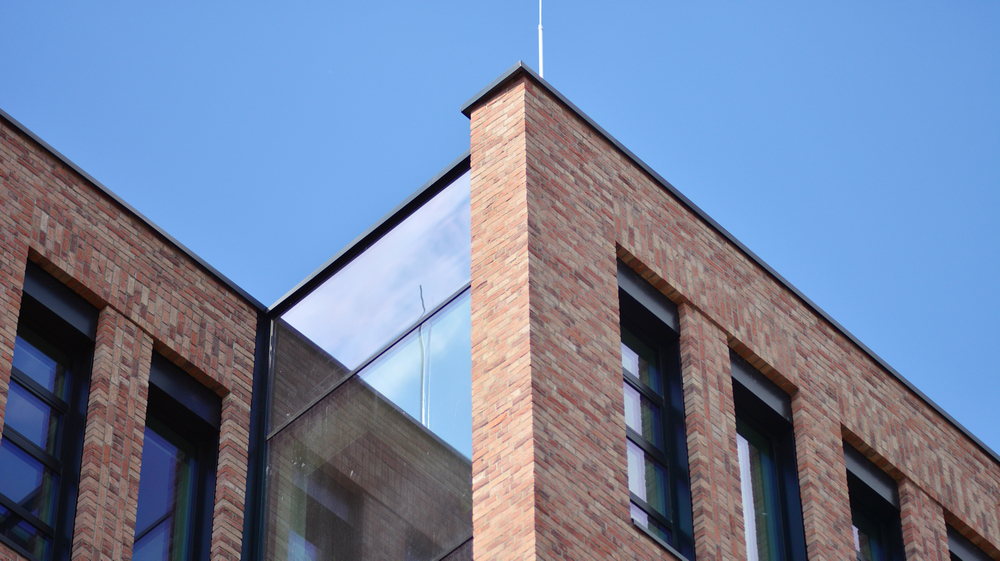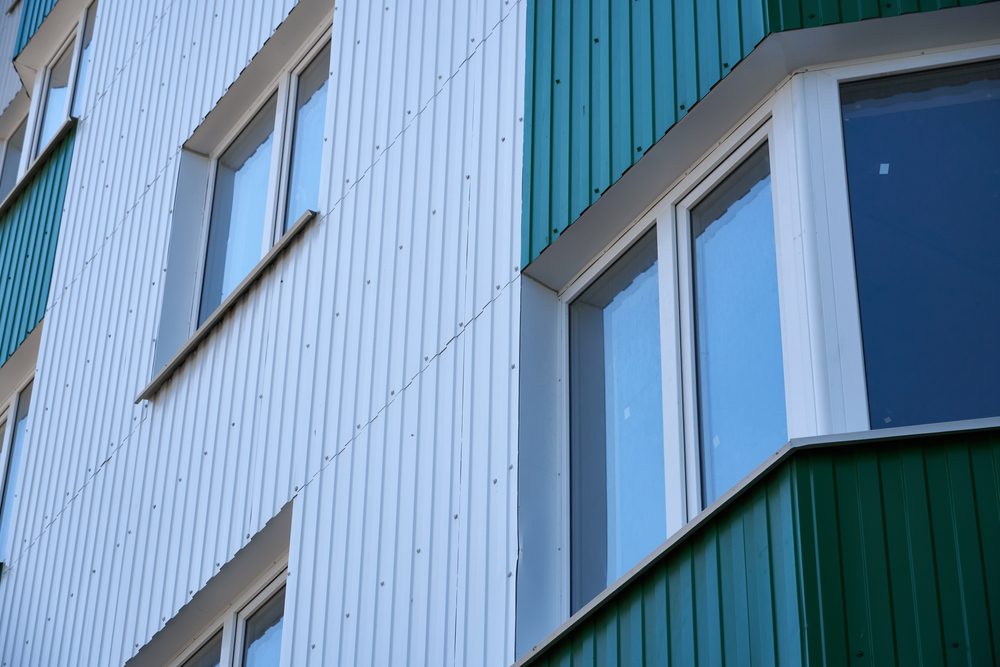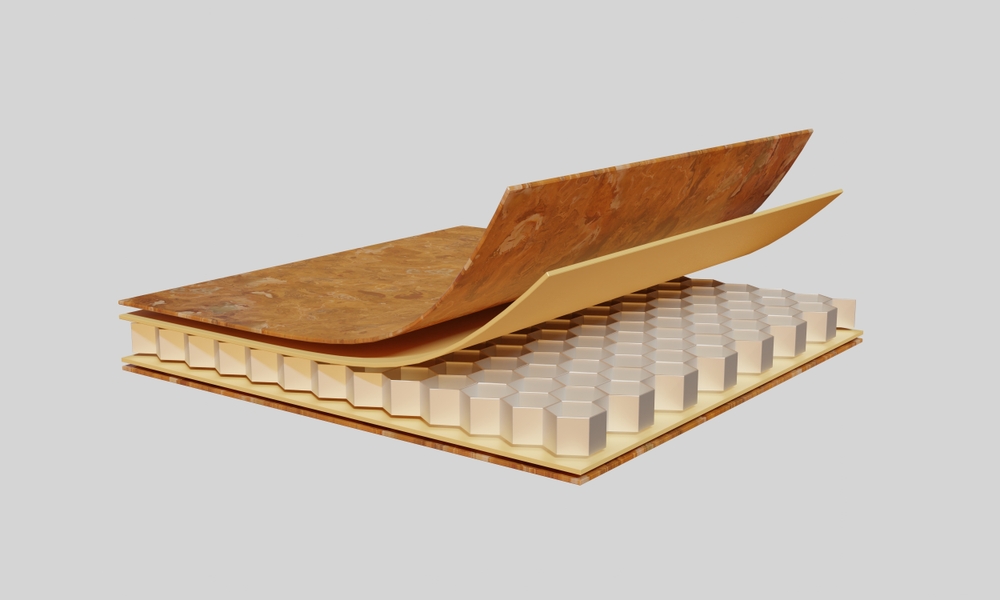
Metal facade cladding has become a hallmark of modern architecture, seamlessly blending aesthetics with functionality. This innovative building material not only enhances the visual appeal of structures but also significantly contributes to their performance. As urban landscapes evolve, the demand for durable, energy-efficient, and sustainable building solutions has risen. Metal facade cladding meets these needs, making it a preferred choice among architects and builders alike.
Metal facade cladding refers to the outer layer of a building made from metal materials, designed to protect and enhance the structure. This cladding serves multiple purposes, including aesthetic enhancement, weather protection, and thermal insulation.
The importance of metal facade cladding in modern architecture cannot be overstated. It allows for creative expression through various designs and finishes while ensuring that buildings can withstand environmental stresses. By combining form and function, metal cladding plays a crucial role in the architectural landscape.
One of the primary benefits of metal facade cladding is its durability. Metals such as aluminum, steel, copper, and zinc are inherently resistant to corrosion, weathering, and physical damage. This resilience ensures that buildings maintain their appearance and structural integrity over time, reducing the need for frequent repairs or replacements.
Metal cladding significantly enhances a building's energy efficiency. Its reflective properties can reduce heat absorption, leading to lower cooling costs in warmer climates. Additionally, when combined with proper insulation materials, metal cladding can improve thermal performance, helping to maintain comfortable indoor temperatures and reduce energy consumption.
The aesthetic versatility of metal facade cladding is unparalleled. Available in a wide range of colors, finishes, and textures, metal cladding can be tailored to fit any architectural style, from sleek modern designs to more traditional appearances. This flexibility allows architects to create unique facades that stand out while harmonizing with their surroundings.
Metal is one of the most recyclable materials available, making metal facade cladding an environmentally sustainable choice. Many metal cladding products are made from recycled materials, and at the end of their life cycle, they can be repurposed without losing quality. This contributes to a reduced carbon footprint and promotes sustainable building practices.
Metal cladding can significantly improve a building's insulation properties. When installed with appropriate insulation materials, it creates a thermal barrier that minimizes heat transfer. This reduction in heat loss during winter and heat gain during summer leads to lower energy consumption and enhanced comfort for occupants.
Metal facade cladding provides excellent protection against harsh weather conditions. It acts as a shield against rain, wind, and UV rays, preventing moisture infiltration that can lead to mold and structural damage. The durability of metal cladding ensures that buildings can withstand extreme weather events, making them safer and more resilient.
Aluminum is a popular choice for metal facade cladding due to its lightweight nature and resistance to corrosion. It is easy to work with and can be finished in various ways, making it suitable for diverse architectural styles.
Steel offers exceptional strength and durability, making it ideal for high-rise buildings and structures requiring robust support. It can be treated to resist rust and corrosion, enhancing its longevity.
Copper is valued for its unique aesthetic qualities, developing a distinctive patina as it ages. This natural process adds character to buildings, making copper an attractive option for architects looking to create visually striking facades.
Zinc is known for its longevity and low maintenance requirements. It can withstand harsh weather conditions without deteriorating, making it an excellent choice for building cladding.
The choice of metal for facade cladding often depends on the desired durability and maintenance level. Metals like aluminum and zinc require less upkeep compared to others, making them preferable for certain projects.
The local climate plays a significant role in selecting the appropriate metal. For instance, areas with high humidity may benefit from corrosion-resistant metals like aluminum, while regions prone to extreme temperatures might require materials with better thermal performance.
Architectural vision and aesthetic preferences also influence the choice of metal. The color, texture, and finish of the metal can dramatically impact the overall appearance of the building, guiding architects in their selection process.
Panel systems consist of large, flat panels that are attached to the building's structure. They offer a clean, modern look and can be customized in various sizes and finishes.
Sheet cladding involves thin sheets of metal that are applied directly to the building's surface. This system is often used for its simplicity and cost-effectiveness.
Mesh cladding incorporates a network of metal wires or bars, providing a unique aesthetic while allowing for ventilation and light penetration. This option is often used in contemporary designs.
Perforated metal cladding features patterns of holes or slots, creating visual interest while maintaining functionality. This type of cladding can enhance airflow and reduce heat buildup.
Budget constraints are a significant factor in selecting a metal cladding system. Different systems have varying costs associated with materials, installation, and maintenance, which should be carefully evaluated.
The complexity of the installation process can vary between cladding systems. Understanding the time and labor required for each option can help in making an informed decision.
Ultimately, the choice of cladding system should align with the desired aesthetic outcomes. Architects should consider how each system complements the overall design of the building.
Metal cladding must integrate seamlessly with other building elements, such as windows, doors, and roofs. Proper alignment and detailing are crucial to achieving a cohesive appearance.
Customization options allow for unique designs that can enhance the building's character. Architects can explore various finishes, colors, and patterns to create a distinctive facade.
Thermal bridging occurs when metal cladding creates a path for heat to escape, reducing energy efficiency. To mitigate this, proper insulation and design techniques must be employed.
While many metals are resistant to corrosion, it can still occur under certain conditions. Selecting the right metal and applying protective coatings can help prevent this issue.
Metal cladding can sometimes lead to increased noise levels within a building. Incorporating sound-absorbing materials and design strategies can address this challenge.
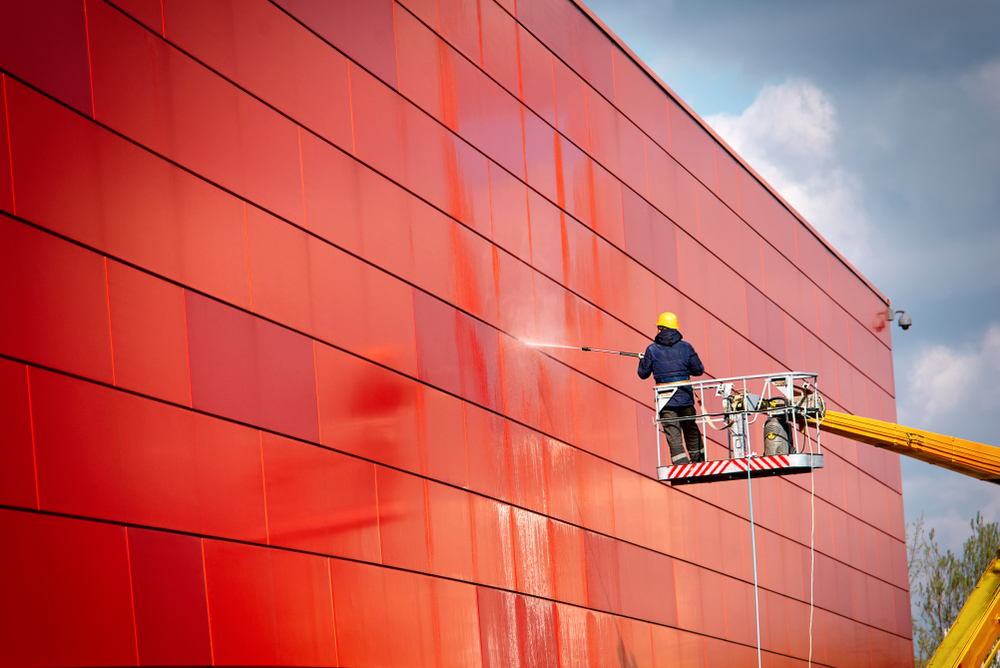
Regular cleaning and inspection are essential for maintaining metal facade cladding. Dirt, grime, and pollutants can accumulate, affecting the appearance and longevity of the material.
Techniques for preventing and addressing corrosion include applying protective coatings and ensuring proper drainage to prevent moisture buildup.
Maintenance costs for metal cladding can vary depending on the type of metal used and the local environment. Generally, metal cladding requires less maintenance than materials like wood or stone, making it a cost-effective choice in the long run.
Metal facade cladding is considered environmentally sustainable due to its recyclability. Metals can be recycled multiple times without losing quality, contributing to a circular economy.
The energy efficiency benefits of metal cladding also play a role in reducing the overall carbon footprint of buildings, making it a responsible choice for environmentally conscious construction.
The installation process for metal facade cladding typically involves the following steps:
Common installation mistakes include improper alignment of panels, inadequate sealing, and neglecting to account for thermal expansion. Careful planning and attention to detail can help prevent these issues.
Metal facade cladding can last several decades, often exceeding 50 years with proper maintenance.
Yes, metal cladding can be retrofitted to existing buildings, enhancing their appearance and performance.
Regular cleaning with mild detergents and water is recommended, avoiding abrasive materials that could damage the finish.
Metal cladding does not inherently affect indoor air quality; however, proper ventilation should be considered during design.
Metal cladding can be used on a variety of building types, from residential to commercial, depending on design preferences and structural requirements.
Metal facade cladding offers numerous advantages that make it a preferred choice in modern architecture. Its durability, energy efficiency, aesthetic appeal, and environmental sustainability contribute to enhanced building performance and longevity.
For those considering metal facade cladding, it's essential to evaluate the various options available, understand the installation and maintenance requirements, and select a system that aligns with the overall architectural vision. By doing so, architects and builders can create stunning, efficient, and sustainable structures that stand the test of time.