Is Stone Cladding Expensive? A Comprehensive Guide
Stone cladding is a popular architectural choice for enhancing the aesthetic and functional appeal of buildings. Whether for residential homes or commercial properties, it exudes sophistication, durability, and timeless beauty. However, one common question arises: "Is stone cladding expensive?" This in-depth article explores the factors that influence stone cladding costs, its benefits, alternatives, and whether it's a worthwhile investment for your project.
What is Stone Cladding?
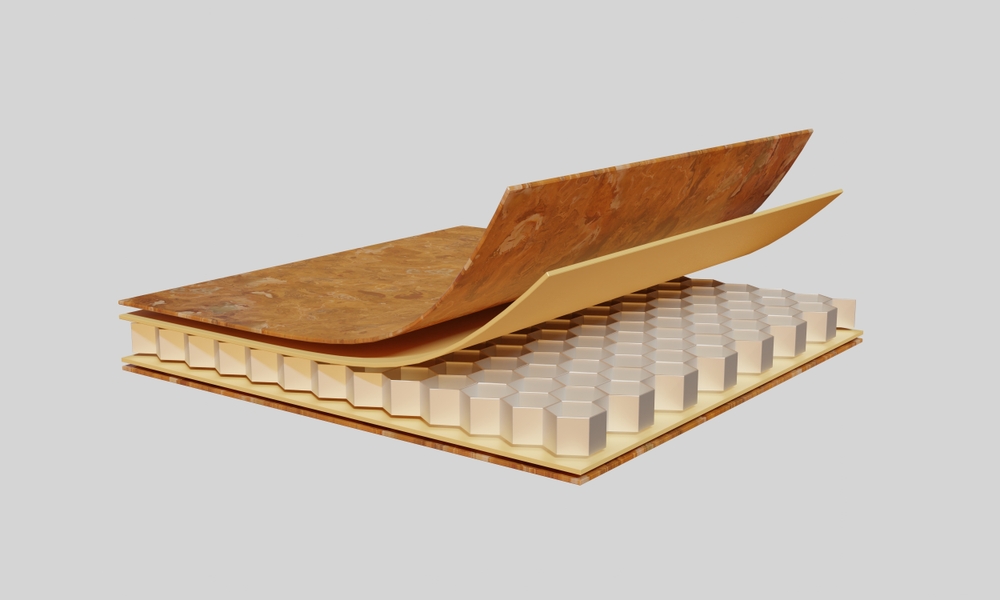
Stone cladding refers to the application of thin layers of stone—either natural or manufactured—to the exterior or interior walls of a building. It’s used for both decorative and functional purposes, such as improving insulation and enhancing the visual appeal of a structure.
Characteristics: Authentic, durable, and premium look.
Manufactured Stone Veneer:
Materials: Lightweight concrete molded to mimic real stone.
Characteristics: Affordable, lightweight, and easy to install.
Thin Stone Veneer:
Materials: Natural stone sliced into thinner layers.
Characteristics: Combines authenticity with reduced weight.
Is Stone Cladding Expensive?
The cost of stone cladding can vary widely depending on the material, installation process, and project size. To answer the question, "Is stone cladding expensive?", let’s break it down into key influencing factors.
1. Material Costs
Material
Average Cost per m² (Material Only)
Natural Stone
$100 – $150
Manufactured Stone Veneer
$50 – $100
Thin Stone Veneer
$70 – $120
Natural Stone: Premium pricing due to its durability and authentic appearance.
Manufactured Stone Veneer: More cost-effective and versatile.
Thin Stone Veneer: Offers a balance between cost and authenticity.
2. Installation Costs
Installation is a significant factor in the overall expense. Stone cladding requires skilled labor to achieve a seamless and durable finish.
Labor Costs: $50 to $100 per square meter.
Complexity of Design: Curves, corners, and intricate patterns increase costs.
Surface Preparation: Additional costs may arise for cleaning, leveling, or waterproofing the surface.
3. Other Factors Influencing Cost
Size of the Project: Larger areas demand more materials and labor.
Location: Availability of materials and local labor rates impact pricing.
Additional Requirements: Adhesives, sealants, or structural reinforcements can add to the budget.
Comparing Costs: Stone Cladding vs. Alternatives
If you’re concerned about whether stone cladding is expensive, it’s worth comparing it to other cladding options.
Cladding Material
Cost per m² (Materials + Installation)
Durability
Aesthetic Appeal
Natural Stone
$150 – $250
High
Premium
Manufactured Stone
$100 – $180
Moderate
Customizable
Wood
$80 – $150
Moderate (requires maintenance)
Warm and Rustic
Vinyl
$50 – $100
Low
Basic
Brick
$120 – $200
High
Traditional
Benefits of Stone Cladding: Is It Worth the Cost?
While stone cladding can be more expensive than some alternatives, its benefits often justify the higher initial investment.
1. Aesthetic Appeal
Creates a luxurious, timeless look for any building.
Available in various textures, colors, and patterns to suit diverse architectural styles.
2. Durability
Resistant to weather, fire, and physical wear.
With proper maintenance, natural stone cladding can last for decades.
3. Low Maintenance
Requires minimal upkeep compared to wood or vinyl cladding.
Simple cleaning with water and occasional resealing ensures longevity.
4. Energy Efficiency
Acts as an additional layer of insulation, reducing energy costs for heating and cooling.
5. Increased Property Value
Enhances curb appeal and resale value, making it a wise investment for homeowners.
Potential Downsides of Stone Cladding
While stone cladding offers numerous advantages, it’s essential to consider potential drawbacks.
1. High Initial Cost
The upfront investment can be significant, especially for natural stone.
2. Weight
Natural stone is heavy, potentially requiring structural reinforcements.
Thin veneers and manufactured options help mitigate this issue.
3. Time-Consuming Installation
Skilled labor is required, adding to the overall project timeline and cost.
4. Limited Design Flexibility
Once installed, changes are difficult and costly to implement.
Tips to Minimize Stone Cladding Costs
If you’re on a budget but still want to enjoy the benefits of stone cladding, consider these tips:
Choose Manufactured Stone Veneer:
Offers a similar look to natural stone at a lower cost.
Simplify the Design:
Avoid complex patterns and intricate detailing to reduce labor costs.
Use Local Materials:
Reduce transportation costs by sourcing materials locally.
DIY for Small Projects:
Smaller areas like fireplaces or feature walls can be DIY-friendly.
Case Studies: Is Stone Cladding Expensive in Practice?
The answer to "Is stone cladding expensive?" depends on your choice of material, the scale of the project, and the installation requirements. While it can have a higher upfront cost compared to other materials, the benefits of durability, low maintenance, and timeless aesthetic appeal often make it a worthwhile investment.
By exploring cost-saving options like manufactured stone veneer or thin stone, you can achieve a similar effect without exceeding your budget. Whether you’re aiming for a stunning residential feature or a durable commercial facade, stone cladding remains an excellent choice for enhancing the value and beauty of your property.