When it comes to choosing materials for architectural projects, Corten steel and stone cladding are two popular options that offer unique aesthetics and durability. However, one of the most common questions architects, designers, and homeowners ask is: "Is Corten steel or stone cladding more expensive?"
In this in-depth guide, we’ll explore the costs, benefits, and drawbacks of both materials, helping you make an informed decision for your project. We’ll cover everything from material and installation costs to maintenance, durability, and environmental impact. By the end of this article, you’ll have a clear understanding of which material is more cost-effective and suitable for your needs.
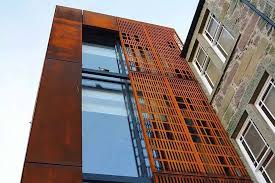
Corten steel, also known as weathering steel, is a group of steel alloys designed to develop a protective rust-like appearance when exposed to the elements. This unique characteristic eliminates the need for painting and makes it a popular choice for modern, industrial designs.
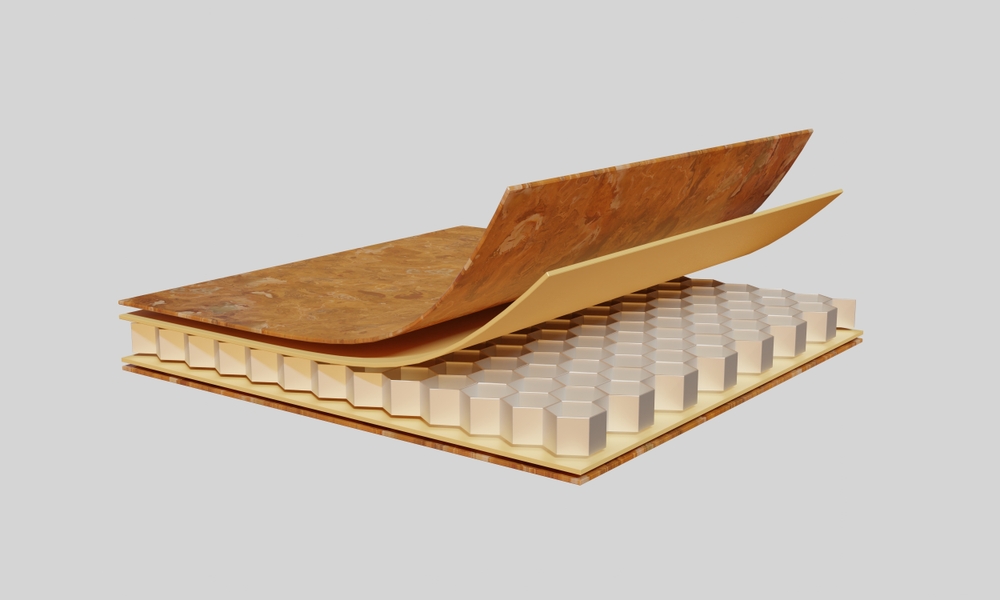
Stone cladding involves covering a building’s exterior or interior with natural or manufactured stone. It offers a timeless, natural aesthetic and is available in a wide range of materials, including granite, limestone, sandstone, and marble.
When comparing Corten steel vs. stone cladding, the cost is a significant factor. Let’s break down the expenses involved in both materials.
| Material | Cost per Square Meter | Notes |
| Corten Steel | 100−100−250+ | Premium material, higher for custom work |
| Stone Cladding | 50−50−500+ | Varies by stone type and quality |
| Material | Installation Cost per Square Meter | Notes |
| Corten Steel | 50−50−100+ | Requires skilled labor and sealing |
| Stone Cladding | 30−30−80+ | Labor-intensive, varies by stone type |
| Material | Maintenance Requirements | Long-Term Costs |
| Corten Steel | Minimal after initial weathering | Low long-term costs |
| Stone Cladding | Periodic cleaning and sealing | Higher long-term costs |
| Pros | Cons |
| Unique, modern aesthetic | Higher initial cost |
| Low maintenance | Rust runoff during weathering |
| Durable and long-lasting | Limited color options |
| Pros | Cons |
| Timeless, natural appearance | Higher maintenance costs |
| Wide variety of colors and textures | Heavy, requiring structural support |
| Durable and long-lasting | Some stones are prone to weathering |
So, is Corten steel or stone cladding more expensive? The answer depends on your budget, design preferences, and project requirements.
Both materials have their unique advantages and can add significant value to your project. By considering the factors outlined in this guide, you can make an informed decision that aligns with your goals and budget.
Whether you choose Corten steel or stone cladding, both materials offer exceptional durability and aesthetic appeal. While Corten steel may have a higher upfront cost, its low maintenance and longevity can make it a cost-effective choice in the long run. On the other hand, stone cladding provides a classic, natural look that can enhance the beauty of any structure.
By weighing the pros and cons and considering your specific needs, you can determine which material is the best fit for your project. If you’re still unsure, consult with a professional architect or designer to explore your options further.