Is Cladding a Facade? Understanding the Relationship Between Cladding and Facades
Introduction
Cladding and facades are critical elements in architecture, influencing both the appearance and functionality of buildings. While they are closely related, cladding and facades are not identical concepts. In this article, we will answer the question: "Is cladding a facade?" by exploring their definitions, roles, and relationships. This guide will clarify these terms, highlight their differences, and discuss their importance in modern construction.
What Is Cladding?
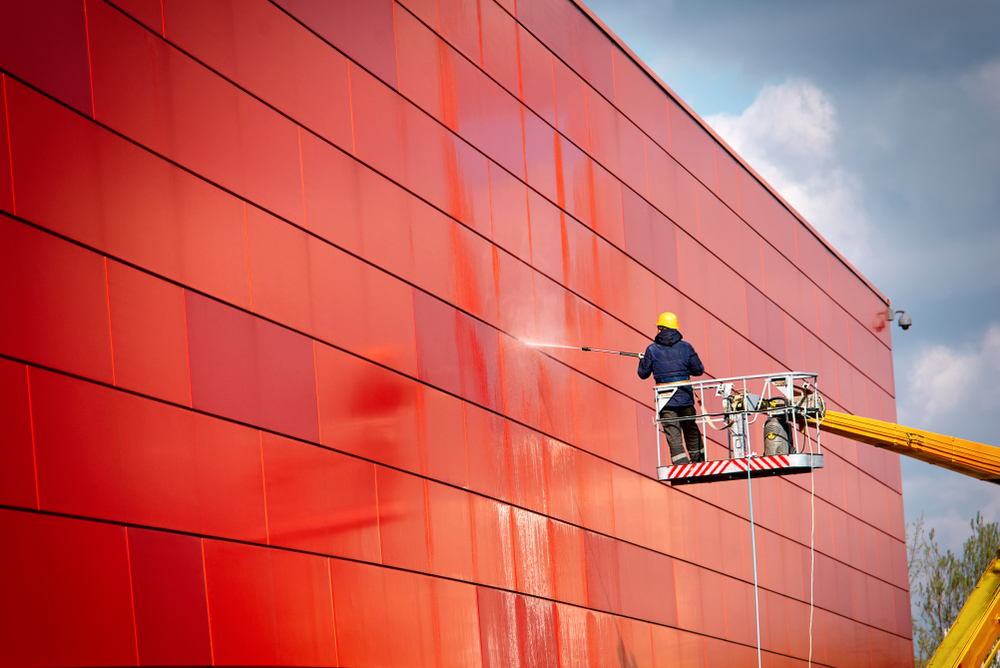
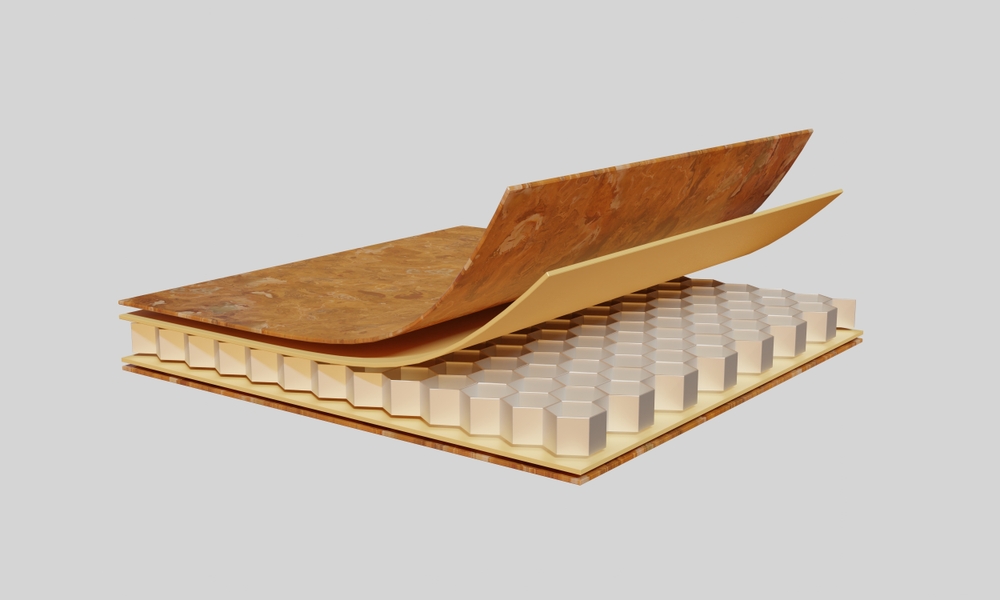
Cladding is the external layer or "skin" applied to a building's structure. It protects the building from external elements, enhances its aesthetic appeal, and can improve energy efficiency.
Key Features of Cladding
Materials Used: Cladding can be made from various materials, including:
Weatherproofing: Shields the building from rain, snow, and sunlight.
Thermal Insulation: Improves energy efficiency by reducing heat transfer.
Soundproofing: Certain cladding materials reduce external noise.
Aesthetic Enhancement: Adds visual appeal with customizable designs.
Types of Cladding Systems:
Ventilated Cladding: Allows air circulation to prevent moisture buildup.
Rain-Screen Cladding: Drains water away from the building facade.
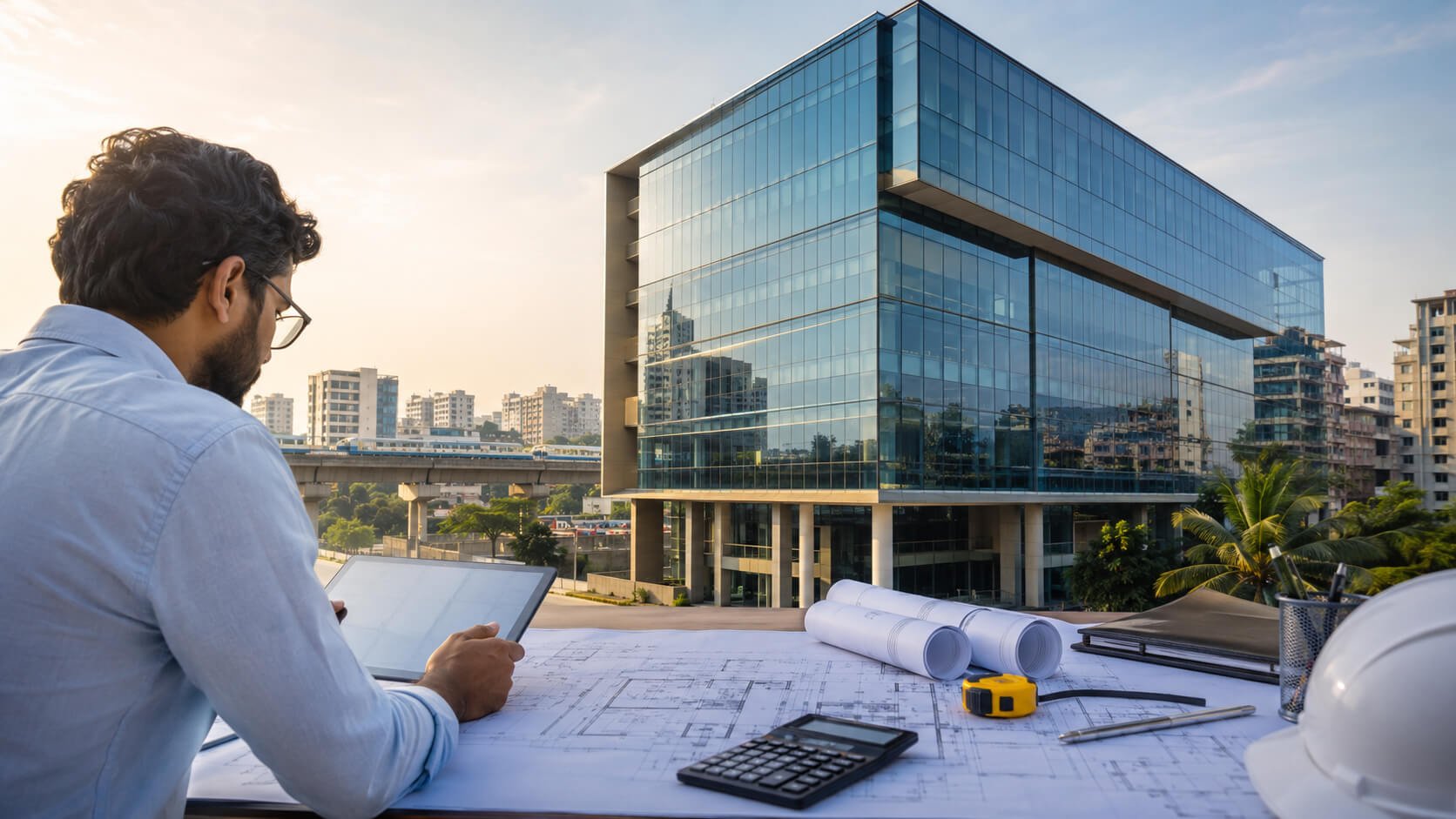
Curtain Wall Systems: Lightweight and non-load-bearing, often made of glass.
Table: Popular Cladding Materials and Their Benefits
Material
Key Benefits
Common Applications
Aluminum
Lightweight, corrosion-resistant
High-rise buildings
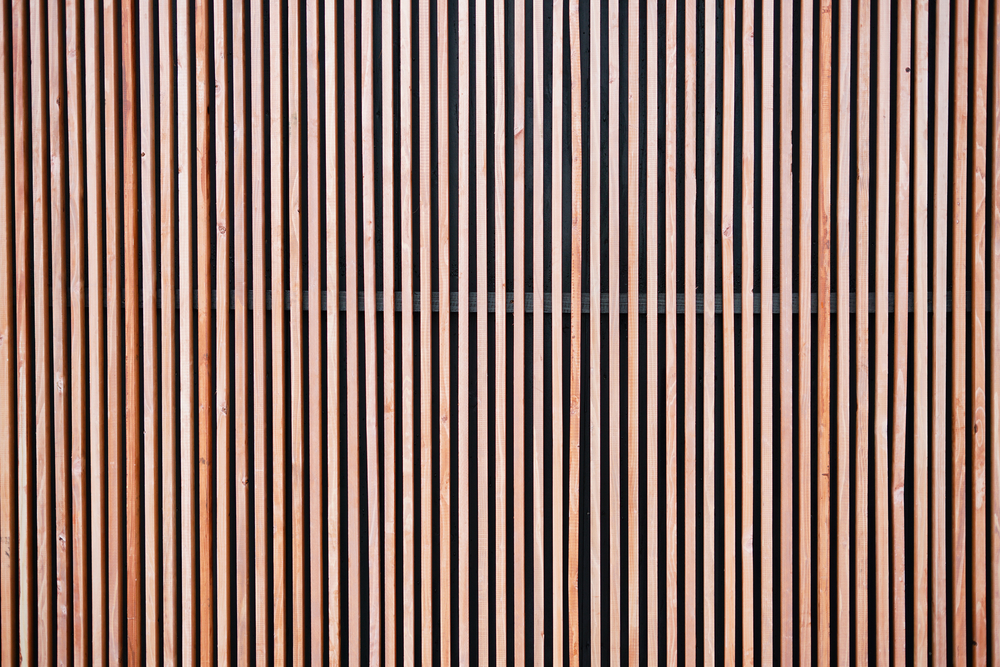
Timber
Eco-friendly, aesthetic appeal
Residential homes
Composite Panels
Cost-effective, versatile
Commercial buildings
Stone
Durable, premium look
Luxury homes, monuments
Glass
Transparency, modern aesthetics
Office towers, retail spaces
What Is a Facade?
A facade refers to the entire exterior face of a building, encompassing all structural and decorative elements. It serves both functional and aesthetic purposes.
Key Elements of a Facade
Structural Components: Load-bearing walls or frames that provide stability.
Openings: Windows, doors, and ventilation systems integrated into the design.
Aesthetic Features: Architectural patterns, sculptures, or branding elements.
Types of Facades
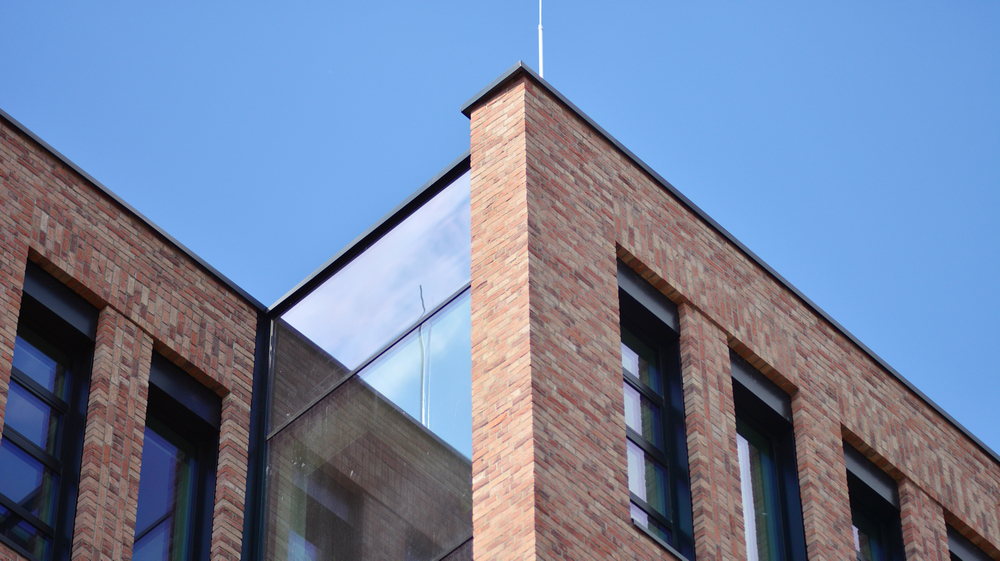
Traditional Facades: Built with materials like brick, stone, or wood, showcasing classic architectural styles.
Modern Facades: Use sleek materials such as glass, aluminum, or composites.
Dynamic Facades: Incorporate smart technologies to adapt to environmental changes.
Is Cladding a Facade?
Cladding as a Component of Facades
Cladding is an essential part of many facades but is not synonymous with the term. The facade is the comprehensive external face of a building, while cladding specifically refers to the outermost covering material.
Overlap: Cladding forms the protective layer of the facade.
Difference: The facade includes structural elements, design features, and cladding.
Functional Role of Cladding in a Facade
Cladding enhances the facade’s performance by:
Improving weather resistance.
Reducing energy consumption.
Adding to the building’s aesthetic value.
Examples of Cladding and Facades in Practice
1. Glass Curtain Wall Systems
Application: High-rise office buildings.
Role of Cladding: Glass panels act as cladding, providing transparency and sleek aesthetics.
Role of Facade: Includes the structural framework holding the glass and other design elements.
2. Brick-Clad Homes
Application: Residential buildings.
Role of Cladding: Brick serves as an outer layer for insulation and durability.
Role of Facade: Incorporates windows, doors, and other features for a cohesive design.
3. Mixed-Material Facades
Application: Contemporary architecture.
Role of Cladding: Combines materials like metal and wood for a dynamic appearance.
Role of Facade: Unifies multiple elements, including structural and design components.
Differences Between Cladding and Facades
Chart: Cladding vs. Facade
Aspect
Cladding
Facade
Definition
Outer covering material
Entire external face of building
Components
Panels, boards, or sheets
Includes walls, windows, etc.
Primary Purpose
Protection, insulation, style
Aesthetic and structural role
Material Focus
Specific to outer materials
Comprehensive system
Benefits of Using Cladding in a Facade
Enhanced Energy Efficiency: Cladding reduces heat loss, leading to lower energy bills.
Improved Durability: Protects the building’s structure from environmental wear and tear.
Customizable Design: Wide material options allow for creative facade designs.
Cost-Effectiveness: Certain cladding materials, like composite panels, are budget-friendly.
FAQs: Is Cladding a Facade?
1. Can cladding exist without a facade?
No, cladding is always part of a facade but does not define the entire facade.
2. What is the main difference between cladding and a facade?
Cladding refers specifically to the outer covering material, while the facade encompasses the whole external appearance, including structure and design.
3. Is cladding necessary for a building?
While not mandatory, cladding significantly improves insulation, durability, and aesthetics.
Conclusion
Cladding and facades are intertwined but distinct concepts in architecture. Cladding forms the protective outermost layer of a building, contributing to the functionality and aesthetics of the facade. The facade, in turn, represents the entire external face of a building, including structural and design elements. In essence, cladding is a vital component of the facade, but the two terms are not interchangeable. Understanding this relationship helps in making informed decisions about materials and design in construction.