Is Brick a Facade? Exploring Its Role in Architecture
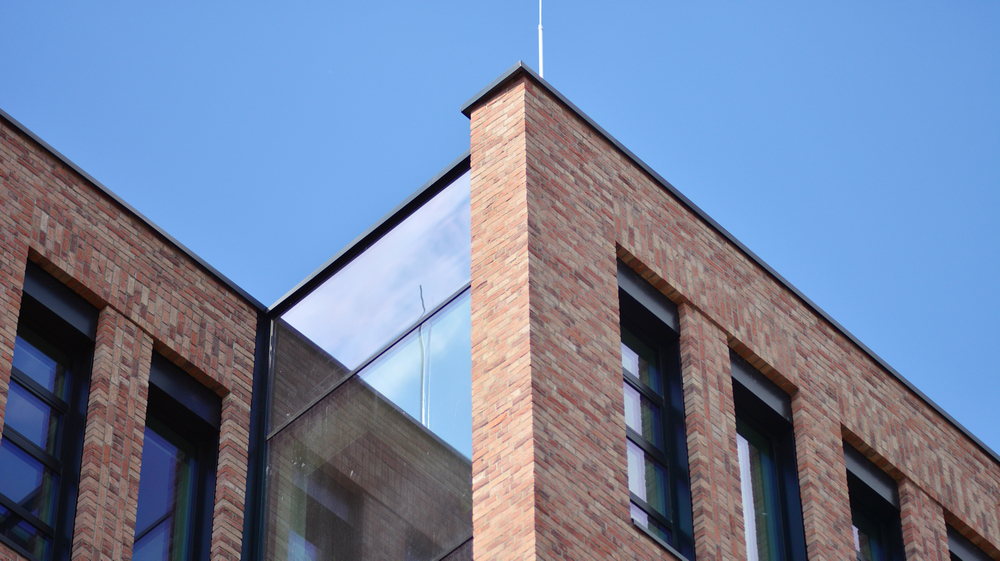
Brick façades are an enduring feature in architecture, celebrated for their timeless appeal, durability, and versatility. The term “brick façade” refers to the outer layer of a building made primarily of bricks, serving either a structural or decorative purpose. This article dives deep into the characteristics, historical significance, innovations, and practical considerations surrounding brick façades.
What Is a Brick Façade?
A brick façade is an exterior layer of a building constructed with bricks, often serving a decorative role while being non-load-bearing. In other cases, it can also contribute to the structural integrity of the building. Brick façades are prized for their aesthetic and practical qualities, making them a common choice for traditional and modern architecture.
Is Brick a Façade?
Yes, brick is a façade when used as the outer layer of a building primarily for decorative or protective purposes. While traditional brick walls were often load-bearing, advancements in construction techniques have made brick façades a versatile choice for non-structural applications. These façades are attached to a supportive framework, such as steel or concrete, to provide aesthetic appeal and environmental protection.
Characteristics of Brick Façades
Material Composition
Types of Bricks: Brick façades use a variety of bricks such as wirecut, handmade, or water-struck bricks, each offering unique textures and appearances.
Durability: Brick is resistant to weathering, fire, and pests, making it a long-lasting material for façades.
Aesthetic Versatility
Color Options: Available in a range of natural tones, from earthy reds to warm yellows and grays.
Texture: Smooth finishes for modern designs or rugged textures for a traditional look.
Patterns: Creative arrangements like running bond, Flemish bond, or herringbone.
Feature
Details
Color Range
Red, yellow, gray, brown, etc.
Surface Texture
Smooth, rough, or multi-textured
Patterns
Running bond, basket weave, herringbone
Historical Significance of Brick Façades
Brick has been a preferred material for centuries due to its availability, durability, and beauty.
Ancient Use: From Roman aqueducts to medieval castles, brick was a functional and decorative element.
Industrial Revolution: Bricks became more uniform and mass-produced, enabling their widespread use in urban architecture.
Modern Era: Architects began using bricks for façades rather than structural purposes, integrating them into contemporary designs.
Modern Innovations in Brick Façade Design
Advanced Manufacturing
Eco-friendly Bricks: Made from recycled materials or produced using energy-efficient methods.
Enhanced Insulation: Modern bricks are designed with better thermal and acoustic properties.
Combination with Materials: Brick is often paired with steel, glass, or timber to achieve a modern aesthetic.
Prefabrication: Pre-assembled brick panels speed up construction while ensuring high quality.
Brick Façade Design Techniques
Common Patterns
Running Bond: Simple, staggered rows of bricks.
Flemish Bond: Alternating stretchers and headers in a single row.
Herringbone: Angled bricks forming a V-shape.
Decorative Techniques
Corbelling: Projecting bricks outward for depth and shadow.
Multi-Textured Cladding: Mixing rough and smooth surfaces for contrast.
Ornamental Features: Intricate brickwork around doorways and windows.
Pattern
Description
Use
Running Bond
Staggered rows
Simple, clean lines
Flemish Bond
Alternating headers and stretchers
Classic and formal
Herringbone
V-shaped design
Decorative and dynamic
Functional Benefits of Brick Façades
Weather Resistance: Bricks provide excellent protection against rain, wind, and UV exposure.
Thermal Insulation: Reduce heat transfer, keeping interiors cool in summer and warm in winter.
Acoustic Benefits: Dense material minimizes sound transmission.
Low Maintenance: Brick façades require minimal upkeep compared to other materials.
Structural Considerations for Brick Façades
While some brick façades are structural, many are veneers that rely on a supporting framework. Key considerations include:
Load Distribution: Use of steel or concrete to bear the load.
Moisture Management: Incorporation of weep holes and proper drainage.
Anchorage: Secure attachment to the building structure using ties or adhesives.
Comparison: Brick Façade vs. Other Façade Materials
Feature
Brick Façade
Other Materials (Glass, Metal)
Durability
High
Varies
Energy Efficiency
Good thermal insulation
Depends on additional treatments
Maintenance
Low
Moderate to high
Aesthetic Versatility
Traditional and modern styles
Modern and industrial styles
Future of Brick Façades in Architecture
Emerging Trends
Sustainable Brick Production: Using low-carbon processes and recycled materials.
Dynamic Brick Designs: Incorporating bricks with embedded sensors for smart buildings.
Hybrid Façades: Combining brick with renewable energy systems like solar panels.
Conclusion
Brick façades are an integral part of architecture, offering a blend of beauty, durability, and functionality. Whether used in traditional buildings or cutting-edge designs, they continue to evolve with modern technology and sustainability practices. As the construction industry advances, brick façades will remain a versatile and reliable choice for architects worldwide.