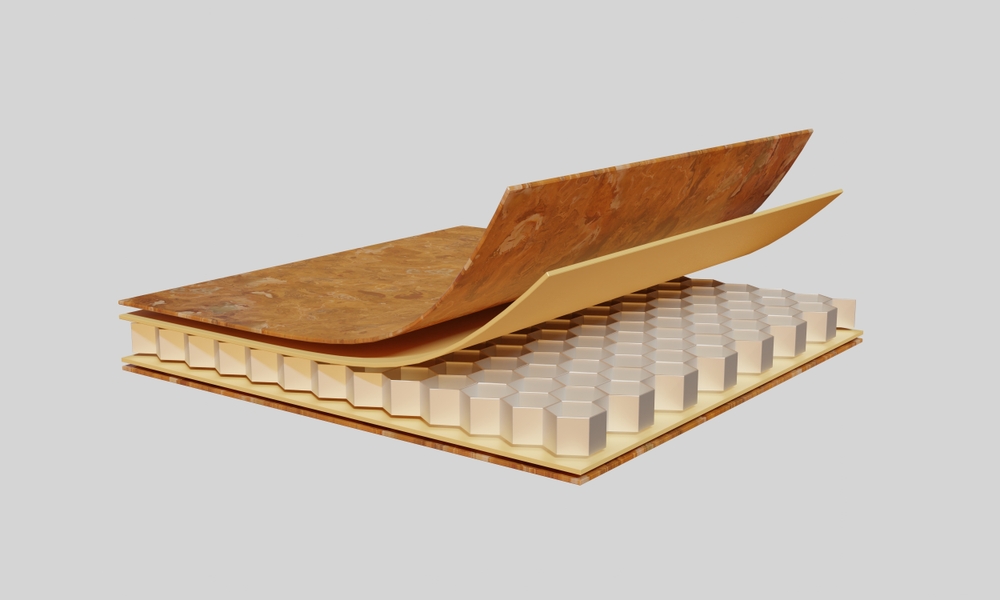
So, you’re curious about Aluminium Composite Panels? Picture this: a "super-sandwich" of durable, lightweight aluminum layers with a non-aluminum filling (often fire-resistant plastic or mineral core). This combo results in a panel that’s impressively resilient, easy to work with, and visually appealing—ideal for today’s design and construction needs. ACP has come a long way since it first arrived on the construction scene in the 1960s. Back then, it was mostly used as cladding on buildings. But as technology evolved, so did its uses—ACP found itself in architecture, advertising, and even the automotive industry. The appeal is understandable: ACP is lightweight, sturdy, and adaptable—a clear favorite over bulkier materials like concrete, wood, and steel.
ACP is an all-rounder material with plenty of pros. It’s lightweight yet durable, easy to cut into any shape, weather-resistant, and offers excellent insulation properties. From facades on buildings to detailed wall art, ACP can replace traditional materials, providing similar durability with a fraction of the weight and a more contemporary look.
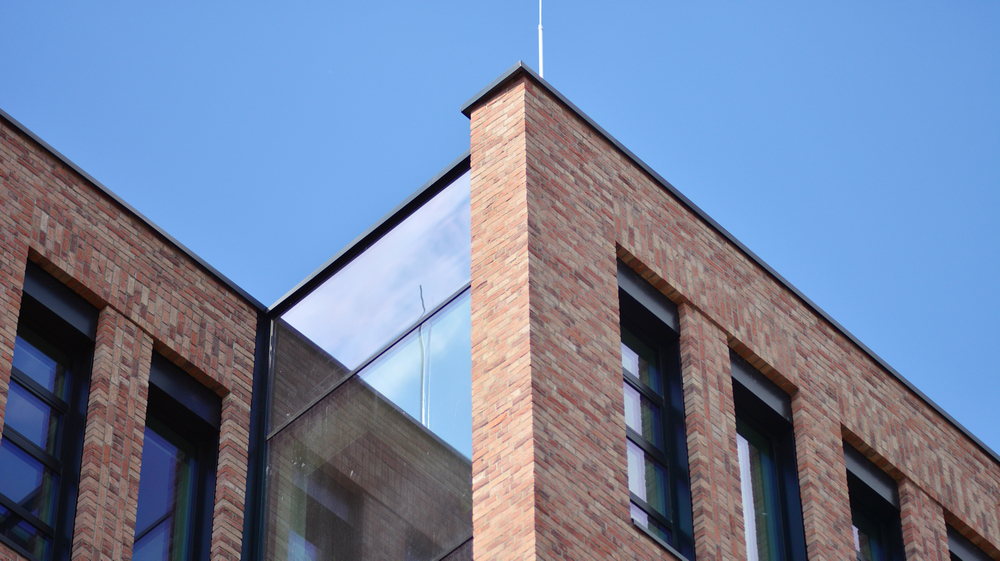
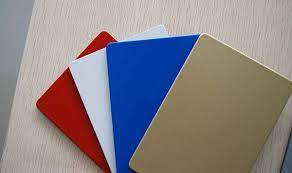
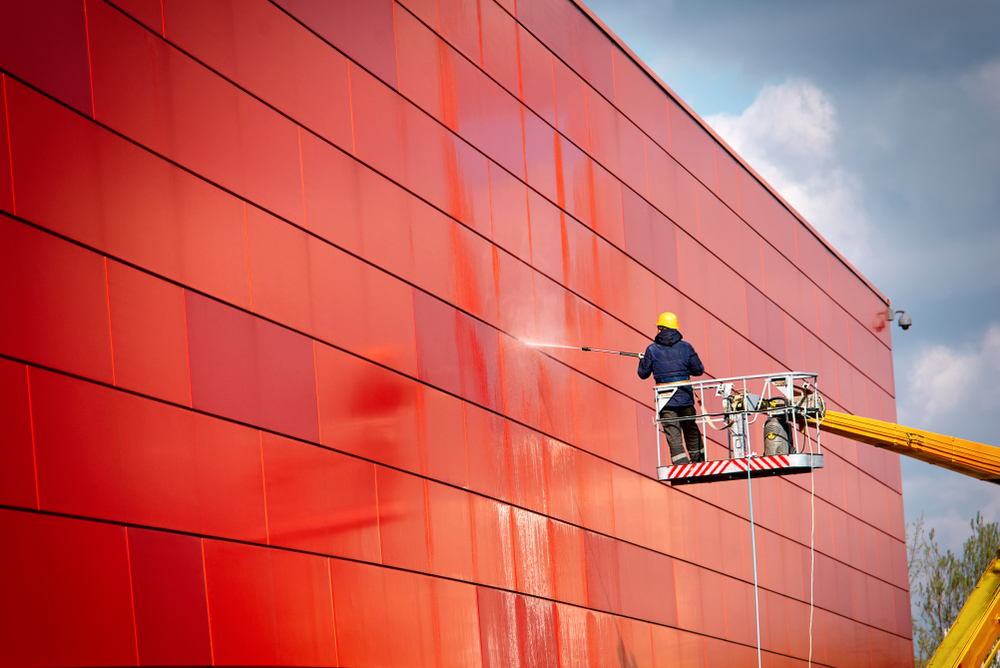
ACP makes a stunning exterior cladding material for buildings, as it’s resistant to the weather, comes in numerous colors and finishes, and provides added insulation to save energy. Picture the Petronas Towers in Malaysia, which utilize ACP to create a reflective, modern look with an incredible visual impact.
When it comes to skyscrapers, lightweight material matters. ACP’s high strength-to-weight ratio means it doesn’t weigh down high-rises, and its design adaptability allows architects to create unique facades. Plus, many ACPs today are fire-resistant, addressing safety needs.
For interiors, ACP panels are used in walls, ceilings, partitions, and even custom-shaped features. Interior designers love it because ACP can be cut into custom shapes and comes in countless textures. Imagine walking into a modern office with sleek, metallic finishes on walls and partitions; that’s often ACP at work.
Older buildings benefit greatly from ACP during renovations; ACP panels offer a cost-effective way to modernize, improve insulation, and reduce energy bills. Retrofitting with ACP can give classic buildings a modern twist while enhancing energy efficiency.
ACP panels are a go-to material for outdoor signage because they’re weather-resistant and maintain their color over time, even in direct sunlight. They’re also lightweight, which is a boon for installation, and their wide range of colors and textures makes branding easy.
Inside malls, airports, and corporate buildings, ACP adds a polished look to indoor signage, branding, and directional signs. Its durability and adaptability make it ideal for high-traffic areas.
ACP is also popular in branding displays, exhibition booths, and kiosks. Why? It’s durable, can be custom-shaped, and is easy to install or replace, making it a practical choice for companies looking to make a bold, lasting statement.
ACP panels are now a staple in car and truck manufacturing, often used for exterior body parts and interior features. Being lightweight means better fuel efficiency, while still holding up under the wear and tear of road life.
In aircraft and boats, every pound counts. ACP’s low weight and resilience against moisture and salt make it ideal for components in planes and ships, helping to reduce fuel consumption without sacrificing durability.
In industrial machinery, ACP is used for enclosures, safety shields, and housings due to its ability to withstand vibrations and reduce noise—ideal in manufacturing environments where sound control matters.
For modern home exteriors, ACP is both stylish and durable. It’s resistant to rust and comes in finishes that resemble wood, stone, or even marble—making it a versatile choice for contemporary home aesthetics.
Within homes, ACP can be found as wall paneling, room dividers, and even ceiling designs. Easy to clean and resistant to scratches, it’s ideal for families looking for durability without compromising style.
ACP’s lightweight and modern look have also found their way into furniture design. Designers use it to make sleek shelves, storage cabinets, and custom furniture pieces, adding a futuristic touch to interiors.
Aluminium is highly recyclable, and ACP panels are no exception. Many manufacturers now incorporate eco-friendly materials into ACP production, creating panels with recycled cores or biodegradable options.
ACP enhances building insulation, reducing energy consumption for heating and cooling. With options for thermal efficiency, it’s a sustainable choice for greener construction.
Efforts to reduce waste and enhance sustainability in ACP manufacturing continue to evolve. Recycled core materials and improved recycling options at the end of ACP’s life make it a more eco-conscious choice.
Fire safety was once a major drawback for ACP, but regulations have led to advancements in fire-resistant options. Today’s ACP offerings meet stricter standards, ensuring they’re safe to use in construction.
ACP can be pricier than some alternatives like steel or vinyl, especially if customized. However, its durability, versatility, and aesthetic appeal often justify the investment.
In particularly harsh climates, ACP may need protective treatments to extend its life. Specialty coatings and maintenance can enhance durability in extreme weather, making ACP a reliable choice in diverse environments.
With growing focus on green energy, ACP manufacturers are experimenting with better insulation, fire resistance, and sustainable materials, offering more environmentally friendly options.
As ACP’s affordability and appeal spread, its use is expanding across industries in developing countries. Emerging applications even include electronics and renewable energy solutions.
Innovations continue in biodegradable cores and energy-efficient manufacturing processes, which will make ACP even greener in the future.
Aluminium Composite Panels are an incredibly versatile material used in everything from architecture to industrial manufacturing. With its unique combination of durability, lightweight structure, and aesthetic possibilities, ACP has become a preferred choice for designers, engineers, and manufacturers worldwide. From buildings to billboards, ACP has transformed industries and will continue to shape the future.