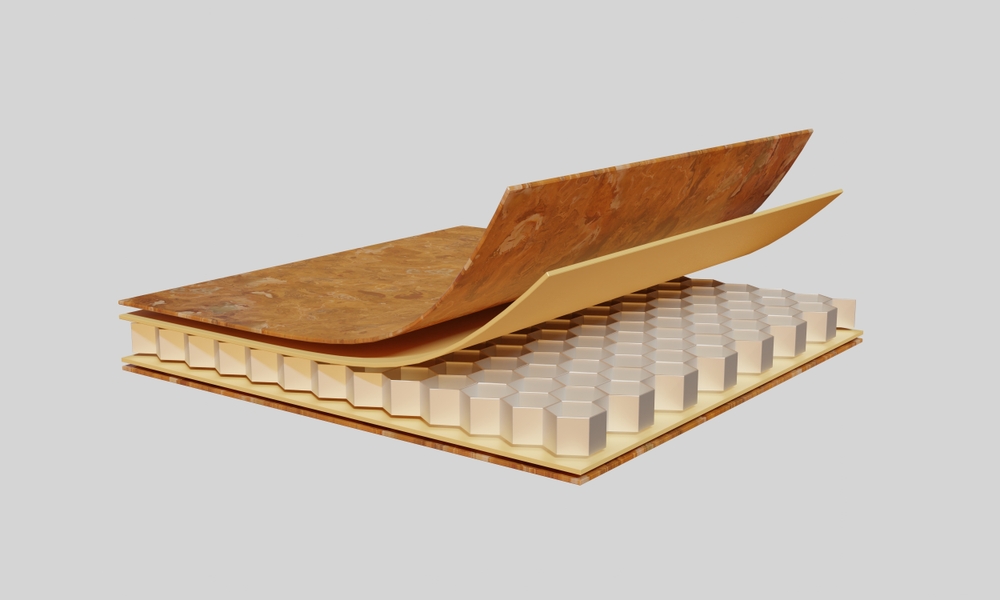
Block walls serve practical purposes but often lack visual appeal. Many homeowners feel stuck with plain, institutional-looking concrete blocks that diminish property value and curb appeal. Stone cladding offers a solution, transforming ordinary walls into stunning features that boost aesthetics and property worth. This guide walks you through the entire process of stone cladding a block wall, helping you create a professional finish without hiring contractors.
What You'll Learn About Stone Cladding Block Walls
Materials and tools needed for your project
Step-by-step installation techniques
Cost considerations and budget planning
Common mistakes to avoid
Maintenance tips for long-lasting results
Understanding Stone Cladding Options for Block Walls
Stone cladding involves attaching thin layers of stone to existing surfaces. For block walls, this technique creates the appearance of a solid stone structure without the cost and structural requirements of full stonework.
Types of Stone Cladding Materials
Material Type
Description
Cost Range (per sq ft)
Durability
Weight
Best For
Natural Stone Veneer
Thin cuts of actual stone
$15-$30
Excellent
Heavy
Authentic look, high-end projects
Manufactured Stone
Concrete molded to look like stone
$8-$15
Very Good
Medium
Budget-conscious projects
Stone Panels
Pre-fabricated sections with multiple stones
$12-$25
Good
Medium-Light
Quick installation
Ledgestone
Stacked horizontal stone layout
$12-$20
Excellent
Medium-Heavy
Contemporary designs
Fieldstone
Rounded, natural-looking stones
$10-$18
Excellent
Heavy
Rustic appearances
Benefits of Stone Cladding Your Block Wall
Increased property value
Enhanced curb appeal
Improved insulation properties
Weather protection for the block wall
Low maintenance requirements
Can be applied to both indoor and outdoor walls
Required Tools for Stone Cladding a Block Wall
Before starting your stone cladding project, gather these essential tools:
Measuring tape and level
Hammer and chisel
Trowels (notched and pointing)
Mixing bucket or tub
Electric drill with mixing paddle
Safety equipment (goggles, gloves, dust mask)
Grout bag
Whisk broom
Wire brush
Circular saw with masonry blade
Wet saw (for cutting stone)
Materials Needed for Stone Cladding
Stone veneer of your choice
Mortar mix (type S or type N)
Metal lath (if required)
Concrete bonding agent
Waterproof membrane (for exterior applications)
Screws and washers
Corner pieces (if needed)
Grout or mortar for joints
Step-by-Step Guide: How to Stone Clad a Block Wall
1. Preparation and Planning
Assess Your Block Wall
Before purchasing materials, examine your block wall for:
Structural integrity - repair any cracks or damage
Levelness - correct major discrepancies
Surface condition - clean thoroughly
Size measurements - calculate square footage plus 10% extra
Calculate Materials Needed
To determine how much stone cladding you need:
Measure the height and width of your wall in feet
Multiply these measurements to get square footage
Subtract the area of windows or doors (if any)
Add 10% for waste and cuts
For corners, measure the linear feet needed
Choose Your Stone Type
Select stone cladding based on:
Your aesthetic preferences
Budget constraints
Wall location (interior vs. exterior)
Local climate conditions
Weight limitations of your wall
2. Wall Preparation
Clean the Block Wall Surface
Remove all dirt, dust, and debris
Use a wire brush for stubborn areas
Wash with mild detergent solution if needed
Allow to dry completely (24-48 hours)
Apply Waterproofing (for Exterior Walls)
Apply waterproof membrane according to manufacturer instructions
Ensure complete coverage and proper drying
Test for water tightness if possible
Install Metal Lath (If Required)
If your block wall has a smooth surface:
Cut metal lath to fit wall sections
Secure with concrete screws and washers every 6-8 inches
Overlap seams by at least 1 inch
Wrap corners with continuous pieces when possible
Ensure lath is tight against the wall
3. Mortar Application
Mix Your Mortar
Follow manufacturer's instructions for water-to-mortar ratio
Mix until consistent - should hold its shape when squeezed
Let stand for 10 minutes, then remix briefly
Prepare in small batches to prevent premature drying
Apply Scratch Coat
For walls with metal lath:
Apply mortar with a trowel, pressing firmly into the lath
Create 1/2-inch thick layer across entire surface
Before it sets, scratch horizontal lines with a notched trowel
Allow to cure for 24-48 hours
For direct application to block walls:
Dampen the wall slightly
Apply bonding agent if recommended
Apply thin layer of mortar directly to blocks
4. Stone Cladding Installation
Plan Your Layout
Lay out stones on the ground to test pattern and color distribution
Start installation from bottom and work upward
Mix stones from different boxes for natural color variation
Plan for corners and edges first
Install Corner Pieces First
If using corner pieces, install these first
Start at the bottom and work upward
Allow proper spacing between pieces
Check for level and plumb frequently
Apply Mortar to Stone Backs
Butter the back of each stone with 1/2-inch layer of mortar
Cover entire back surface with slight excess at edges
For larger stones, also apply mortar to the wall area
Press Stones into Place
Press stone firmly against the scratch coat
Wiggle slightly to ensure good adhesion
Check level frequently
Maintain consistent joint spacing
Remove excess mortar with a pointing trowel
Cut Stones as Needed
For custom fits:
Measure and mark the stone
Cut with a wet saw or circular saw with masonry blade
Smooth rough edges with a stone file if needed
Install cut pieces following the same process
5. Grouting and Finishing
Mix Grout
Prepare grout according to manufacturer's instructions
Aim for toothpaste-like consistency
Mix in small batches to prevent premature drying
Fill Joints Between Stones
Fill grout bag with prepared grout
Squeeze into joints between stones
Work in small sections
Maintain consistent joint depth
Tool the Joints
When grout becomes thumb-print firm (30-60 minutes)
Use jointing tool or wood stick to compress and shape
Create consistent concave or flat joint appearance
Remove excess with soft brush
Clean Stone Surfaces
Let joints set for 1-2 hours
Brush off excess mortar with whisk broom
Avoid getting joints too wet
For stubborn residue, use stone cleaner after 24 hours
6. Sealing and Protection
Apply Appropriate Sealer
For exterior applications:
Wait at least 7 days after installation
Choose breathable, penetrating sealer
Apply according to manufacturer instructions
Often requires 2 coats with drying time between
For interior applications:
Consider whether sealing is necessary
Use lighter sealers designed for indoor use
Test in inconspicuous area first
Stone Cladding Block Wall Variations and Techniques
Dry Stack Method
This technique creates a clean, modern look:
Stones are installed with minimal or no visible mortar joints
Requires precise cutting and fitting
More challenging for beginners
Creates contemporary aesthetic
Mixed Material Approach
Combine stone cladding with other materials:
Wood accents
Metal panels
Stucco sections
Brick details
Pattern Variations
Random pattern - varied sizes and shapes
Ashlar pattern - rectangular stones in repeated pattern
Herringbone - diagonal arrangement
Coursed pattern - horizontal rows of same-height stones
Common Mistakes When Stone Cladding Block Walls
Poor Wall Preparation
Skipping proper wall preparation leads to:
Adhesion failures
Water penetration issues
Premature deterioration
Uneven installations
Inadequate Planning
Failing to plan your layout results in:
Awkward stone patterns
Excessive cutting
Unnatural appearance
Wasted materials
Improper Mixing
Incorrect mortar consistency causes:
Poor adhesion
Difficulty working with materials
Joint failures
Uneven setting times
Forgetting Expansion Joints
Especially important in exterior applications:
Include expansion joints every 12-15 feet
Install at wall corners and material transitions
Fill with appropriate flexible sealant
Prevents cracking due to thermal expansion
Insufficient Drying Time
Rushing between steps results in:
Weak structural integrity
Surface staining
Efflorescence problems
Poor overall finish
Cost Considerations for Stone Cladding Block Walls
Material Cost Breakdown
The overall project cost depends on:
Stone type selected (natural vs. manufactured)
Wall size and complexity
Location and accessibility
Special treatments or finishes
DIY vs. Professional Installation
Aspect
DIY
Professional Installation
Material Cost
$8-$30 per sq ft
$10-$35 per sq ft
Labor Cost
Your time
$15-$30 per sq ft
Equipment
Rental or purchase needed
Included
Timeframe
Typically longer
2-5 days for average wall
Warranty
Material only
Labor and sometimes material
Learning Curve
Significant
Not applicable
Total Cost (200 sq ft)
$1,600-$6,000
$5,000-$13,000
Value Return on Investment
Stone cladding typically provides:
92-95% return on investment for exterior applications
Enhanced property value
Faster property sales
Improved curb appeal
Maintenance Requirements for Stone Clad Block Walls
Regular Cleaning
Brush with soft broom quarterly
Wash with garden hose annually
Avoid pressure washing
Use gentle stone cleaner for stubborn dirt
Inspection and Repairs
Check annually for:
Cracked or loose stones
Joint deterioration
Water damage signs
Efflorescence (white powder appearance)
Resealing
Exterior walls: every 3-5 years
Interior walls: every 5-10 years if sealed initially
Follow manufacturer recommendations
Test water absorption to determine if needed
Environmental Considerations When Stone Cladding
Sustainable Options
Locally sourced stone reduces carbon footprint
Reclaimed or recycled stone products
Manufactured stone uses fewer natural resources
Consider thermal benefits for energy efficiency
Energy Efficiency
Stone cladding can provide:
Additional insulation value (R-value increase of 0.5-2)
Thermal mass benefits
Reduced heating/cooling costs
Sound insulation properties
Advanced Tips for Professional-Looking Results
Color Blending
Mix stones from different boxes throughout installation
Avoid concentrated areas of one color
Step back frequently to assess overall appearance
Adjust as needed before mortar sets
Creating Focal Points
Use larger or distinctive stones as focal elements
Consider artistic patterns in key viewing areas
Incorporate decorative accents if desired
Lighting Considerations
Plan for lighting fixtures if desired
Consider how natural light affects appearance
Stone texture creates interesting shadow effects
Troubleshooting Common Stone Cladding Issues
Efflorescence
White powdery substance appearing on surface:
Cause: Mineral salt migration
Solution: Brush off when dry, apply efflorescence cleaner
Prevention: Proper sealing, adequate drainage
Loose Stones
Cause: Inadequate mortar coverage or bonding
Solution: Remove and reinstall with fresh mortar
Prevention: Ensure full mortar coverage on stone backs
Solution: Identify entry points, repair and reseal
Prevention: Thorough waterproofing before installation
Stone Cladding Block Walls for Different Settings
Exterior Applications
Front façade enhancements
Garden wall transformations
Garage exterior upgrades
Property boundary walls
Interior Applications
Feature walls in living spaces
Fireplace surrounds
Kitchen backsplashes
Bathroom accents
Commercial Applications
Office reception areas
Restaurant feature walls
Retail store design elements
Hotel and hospitality spaces
Regional Considerations for Stone Cladding Projects
Climate Factors
Cold climates:
Select freeze-thaw resistant materials
Consider additional waterproofing
Allow for more expansion/contraction
Hot climates:
Choose heat-resistant stones
Consider lighter colors to reduce heat absorption
Plan installation during cooler seasons
Coastal areas:
Select salt-resistant materials
Apply additional protective sealants
Consider corrosion-resistant fasteners
Local Building Codes
Check permit requirements before starting
Verify weight limitations for your wall
Ensure compliance with fire safety regulations
Consider HOA restrictions if applicable
Conclusion: Transform Your Block Wall with Stone Cladding
Learning how to stone clad a block wall empowers you to dramatically transform plain concrete surfaces into beautiful architectural features. With proper planning, preparation, and installation techniques, you can achieve professional results that enhance your property's value and visual appeal.
Remember these key takeaways:
Proper wall preparation is essential for lasting results
Choose materials that match your aesthetic goals and budget
Follow installation steps carefully for professional finish
Maintain your stone cladding for years of beauty
Whether you're cladding an exterior retaining wall or creating an interior feature, the stone cladding techniques in this guide will help you achieve stunning results that stand the test of time.
FAQ: How to Stone Clad a Block Wall
How long does it take to stone clad a block wall?
For a standard 10' x 10' wall, expect:
1 day for preparation
1-2 days for scratch coat and drying
2-3 days for stone installation
1 day for grouting and cleaning Total: 5-7 days including drying time
Can I stone clad any type of block wall?
Most concrete block walls can be clad, but:
Wall must be structurally sound
Surface must be clean and stable
Weight limitations must be considered
Special preparation may be needed for painted blocks
How much does stone cladding a block wall cost?
DIY project: $8-$30 per square foot (materials only)
Professional installation: $25-$65 per square foot (labor and materials)
Cost varies significantly based on stone type and project complexity
Is stone cladding a good DIY project?
This project is:
Suitable for intermediate to advanced DIYers
Labor-intensive but not technically complex
Requires attention to detail and patience
Best approached in small sections for beginners
How long will stone cladding last?
With proper installation and maintenance:
25+ years for exterior applications
Lifetime for interior applications
Regular inspections and repairs extend lifespan
Quality of materials significantly impacts durability