How to Make Concrete Blocks Look Like Natural Stone: The Ultimate Guide
Tired of those plain, gray concrete blocks ruining your home's aesthetic appeal? Concrete blocks are affordable and durable, but their industrial appearance often clashes with natural landscaping designs. Fortunately, you can transform these utilitarian blocks into stunning features that mimic expensive natural stone. This comprehensive guide reveals professional techniques to achieve an authentic stone look at a fraction of the cost, enhancing your property's beauty and value without breaking the bank.
Table of Contents
Understanding the Benefits of Concrete Block Transformation
Materials and Tools You'll Need
Preparation Steps Before Transformation
Methods to Make Concrete Blocks Look Like Natural Stone
Method 1: Concrete Staining Technique
Method 2: Textured Paint Application
Method 3: Stone Veneer Installation
Method 4: Stamping and Carving Techniques
Method 5: Faux Finishing Methods
Step-by-Step Tutorial for Each Method
Maintenance and Care for Transformed Concrete Blocks
Cost Comparison: Natural Stone vs. Transformed Concrete
Common Mistakes to Avoid
Inspiration Gallery and Design Ideas
Expert Tips for Professional-Looking Results
FAQs About Making Concrete Blocks Look Like Natural Stone
Understanding the Benefits of Concrete Block Transformation
Concrete blocks serve as excellent building materials due to their strength, durability, and affordability. However, their plain appearance often leaves much to be desired. Transforming concrete blocks to resemble natural stone offers numerous advantages:
Cost-Effective Alternative: Natural stone materials can cost 5-10 times more than concrete blocks. Transforming existing concrete offers significant savings.
Design Flexibility: Unlike natural stone, transformed concrete can be customized to match any color scheme or architectural style.
Durability: Properly sealed concrete blocks can withstand harsh weather conditions, sometimes outlasting certain natural stones.
Lightweight Option: No need for additional structural support that heavy natural stone might require.
DIY-Friendly: Many transformation techniques can be completed by homeowners without professional assistance.
Environmental Benefits: Repurposing existing concrete blocks reduces waste and the environmental impact of quarrying natural stone.
By understanding these benefits, you can appreciate why making concrete blocks look like natural stone has become increasingly popular in modern landscaping and construction projects.
Materials and Tools You'll Need
Before learning how to make concrete blocks look like natural stone, gather the necessary supplies. Requirements vary depending on your chosen method, but here's a comprehensive list covering all major techniques:
Basic Supplies for All Methods
Tool/Material
Purpose
Approximate Cost
Wire brush
Cleaning and prepping surfaces
$5-15
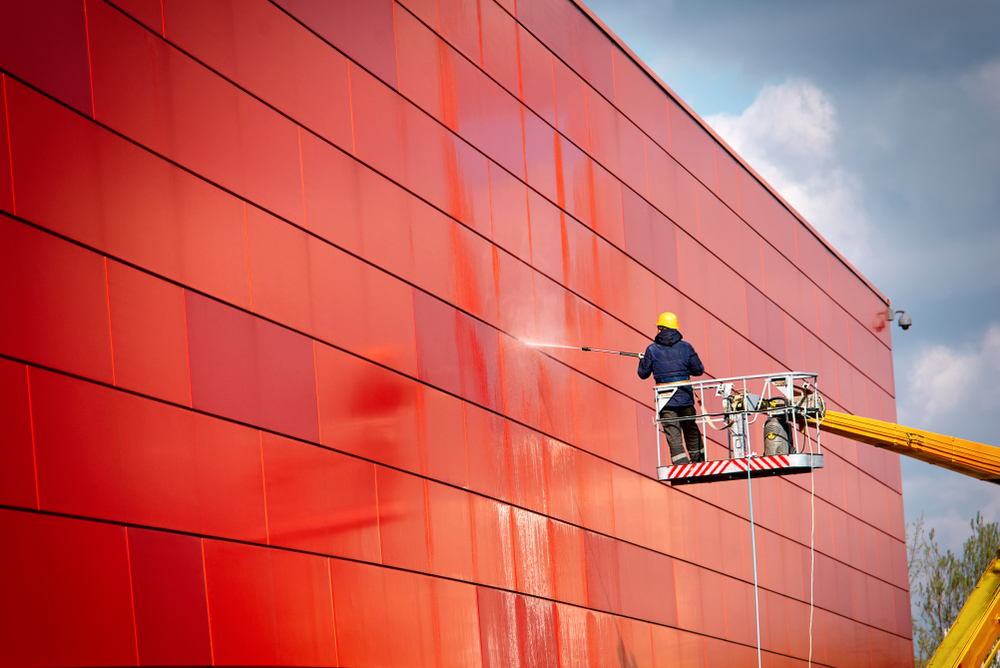
Pressure washer
Deep cleaning concrete surfaces
$100-300 (rental: $40-80/day)
Concrete cleaner
Removing stains and efflorescence
$15-30
Painter's tape
Creating clean edges
$5-10
Drop cloths
Protecting surrounding areas
$10-20
Safety equipment (gloves, goggles, masks)
Personal protection
$20-50
Painter's plastic
Additional surface protection
$10-20
For Staining Method
Concrete etcher/cleaner ($15-30)
Concrete stains in stone-like colors ($30-100)
Various-sized paintbrushes ($10-30)
Spray bottles ($5-15)
Sponges ($5-10)
Concrete sealer ($30-60)
Paint rollers and trays ($15-30)
For Textured Paint Method
Concrete primer ($25-50)
Textured concrete paint ($40-100)
Texture additives ($20-40)
Various paintbrushes and rollers ($20-50)
Paint trays ($5-10)
Concrete sealer ($30-60)
For Stone Veneer Method
Stone veneer panels or individual pieces ($5-15 per square foot)
Mortar mix ($10-30)
Trowels (various sizes) ($20-50)
Tile spacers ($5-10)
Grout ($15-30)
Caulking gun ($5-15)
Construction adhesive ($8-15)
Masonry screws or anchors ($10-20)
Circular saw with masonry blade ($100-200 or rental)
For Stamping and Carving Method
Concrete overlay mix ($30-80)
Concrete trowels ($20-50)
Carving tools ($30-100)
Stone texture stamps ($50-200)
Release agent ($20-40)
Concrete dyes or stains ($30-100)
Concrete sealer ($30-60)
For Faux Finishing Method
Base coat paint ($30-60)
Multiple colors of acrylic paint ($30-60)
Sea sponges ($10-20)
Feather dusters ($10-20)
Various paintbrushes ($15-30)
Clear topcoat sealer ($30-60)
Glazing medium ($15-30)
Having the right tools and materials prepared before starting your project will ensure a smoother process and better results when transforming concrete blocks to look like natural stone.
Preparation Steps Before Transformation
Proper preparation is crucial for successfully making concrete blocks look like natural stone. Follow these essential steps before applying any technique:
1. Assess the Condition of Your Concrete Blocks
Examine your concrete blocks thoroughly for:
Cracks or structural damage
Efflorescence (white powdery deposits)
Mold or mildew
Oil stains or other contaminants
Previous paints or sealers
Any issues should be addressed before proceeding. Structural problems may require professional evaluation.
2. Clean the Surface Thoroughly
A clean surface ensures proper adhesion for all applications:
Remove debris with a broom or brush
Pre-treat oil stains with a degreaser or specialized concrete cleaner
Use a pressure washer (1500-3000 PSI) to deep clean the concrete surface
For stubborn stains, apply a concrete cleaner according to the manufacturer's instructions
For efflorescence, use a dedicated efflorescence remover
Allow the surface to dry completely (typically 24-48 hours)
3. Make Necessary Repairs
Fix any imperfections to create an ideal base:
Fill small cracks (less than ¼ inch) with concrete caulk
Repair larger cracks with concrete patching compound
Replace severely damaged blocks if necessary
Ensure mortar joints are intact and repair as needed
4. Remove Previous Coatings (If Applicable)
If your concrete blocks have existing paint or sealer:
Apply a chemical stripper designed for concrete
Follow the product's instructions for application and dwell time
Scrape away loosened coating with a putty knife
Rinse thoroughly and allow to dry
You may need to repeat this process for stubborn coatings
5. Test for Moisture Issues
Concrete moisture problems can ruin your finishing efforts:
Tape a 2' x 2' piece of clear plastic sheeting to the concrete
Seal all edges with tape
Leave in place for 24 hours
If condensation forms underneath, you have moisture issues that need addressing before proceeding
6. Apply Primer or Etcher (For Some Methods)
Depending on your chosen method:
For painted finishes, apply a concrete primer
For staining techniques, use a concrete etcher to open the pores
Follow manufacturer's instructions for application and drying times
7. Protect Surrounding Areas
Before beginning the transformation:
Use painter's tape to mask off areas that shouldn't be treated
Cover nearby plants, furniture, or other items with drop cloths
Use painter's plastic for larger areas needing protection
Select an inconspicuous area of your concrete blocks
Apply your chosen technique on this test section
Allow it to dry/cure completely
Evaluate the results and make adjustments to your approach if needed
Taking these preparation steps seriously will significantly improve the outcome when making concrete blocks look like natural stone. Proper prep work can be time-consuming but is essential for achieving professional-quality results that will last for years.
Methods to Make Concrete Blocks Look Like Natural Stone
There are several effective techniques to transform concrete blocks into convincing natural stone lookalikes. Each method offers different advantages in terms of difficulty, cost, and final appearance.
Method 1: Concrete Staining Technique
Overview: Concrete staining creates a translucent, mottled color effect that closely resembles natural stone variations. This method preserves the texture of the concrete while adding depth and dimension through color.
Best for: Concrete blocks with interesting existing texture; projects where a subtle, earthy look is desired.
Difficulty level: Beginner to intermediate
Pros:
Relatively inexpensive
Highlights existing texture
Creates natural color variations
Permanent (won't peel like paint)
Quick application process
Cons:
Limited ability to change texture
Results vary based on concrete composition
Requires proper sealing for longevity
Cannot completely hide major imperfections
Materials needed:
Concrete cleaner/etcher
Acid or water-based concrete stains
Spray bottles or brushes
Neutralizing solution (for acid stains)
Concrete sealer
Application tools (brushes, rollers, sponges)
Method 2: Textured Paint Application
Overview: Special textured paints designed for concrete contain additives that create a stone-like texture when applied. Multiple colors can be layered to mimic natural stone variations.
Best for: Projects where changing both color and adding some texture is desired; budget-conscious renovations.
Difficulty level: Beginner
Pros:
Very easy application
Instant texture addition
Wide color selection
Good coverage of minor imperfections
Relatively affordable
Cons:
May look less natural than other methods
Can wear off over time, especially in high-traffic areas
Requires reapplication every few years
Limited depth compared to other techniques
Materials needed:
Concrete primer
Stone-textured concrete paint
Texture additives (optional)
Brushes and rollers
Multiple paint colors for layering
Concrete sealer
Method 3: Stone Veneer Installation
Overview: This method involves attaching thin pieces of manufactured stone veneer or natural stone veneer to the concrete blocks, essentially covering them with a layer of realistic stone.
Best for: Projects where the most realistic stone appearance is required; permanent installations.
Difficulty level: Intermediate to advanced
Pros:
Most realistic appearance
Adds significant texture and dimension
Extremely durable
Available in countless stone types and colors
Long-lasting (decades with proper installation)
Cons:
Most expensive method
Labor-intensive installation
Adds thickness to walls (may affect doorways/trim)
Heaviest option (though still lighter than solid stone)
Materials needed:
Manufactured or natural stone veneer
Mortar mix
Metal lath (for some applications)
Scratch coat materials
Mortar/grout
Masonry tools
Sealer (optional)
Method 4: Stamping and Carving Techniques
Overview: This method involves applying a layer of concrete overlay to the blocks, then stamping or carving it to create realistic stone textures before coloring.
Best for: Projects requiring significant texture changes; artistic installations.
Difficulty level: Intermediate to advanced
Pros:
Creates dramatic texture and relief
Highly customizable patterns
Can perfectly mimic specific stone types
Very durable finish
Adds artistic element to the project
Cons:
Requires skill and practice
Time-sensitive work window
Overlay adds thickness to walls
More expensive than staining or painting
Materials needed:
Concrete overlay product
Concrete stamps or texture mats
Carving tools
Release agents
Concrete colorants (integral or topical)
Concrete sealer
Method 5: Faux Finishing Methods
Overview: Using specialized painting techniques like sponging, ragging, and color washing to create the illusion of natural stone textures and color variations.
Best for: Indoor applications; projects where weight and thickness must remain unchanged.
Difficulty level: Beginner to intermediate
Pros:
Lightweight (no added material)
No special structural requirements
Can be very convincing when done well
Relatively quick to apply
Good for temporary transformations
Cons:
Less durable than other methods, especially outdoors
Requires artistic technique
May need touch-ups over time
Limited texture addition
Materials needed:
Base paint
Glaze or transparent paint mediums
Multiple accent colors
Application tools (sponges, rags, brushes)
Clear protective topcoat
Each of these methods for making concrete blocks look like natural stone offers unique advantages. Your choice will depend on your budget, skill level, and the specific requirements of your project. In the following sections, we'll provide detailed step-by-step instructions for each technique.
Step-by-Step Tutorial for Each Method
Method 1: Concrete Staining Technique
Follow these detailed steps to make concrete blocks look like natural stone using stains:
Step 1: Prepare the Surface
Clean the concrete blocks thoroughly using a pressure washer
Allow the surface to dry completely (24-48 hours)
Apply concrete etcher following manufacturer's instructions
Rinse thoroughly and allow to dry again
Step 2: Apply Base Stain
Choose a concrete stain in a color that represents your base stone color (usually tan, gray, or brown)
Test in an inconspicuous area first
Apply the base stain evenly using a pump sprayer for acid stains or brush/roller for water-based stains
Work in small sections to maintain a wet edge
For acid stains, allow to react for 4-8 hours; water-based stains typically need 2-4 hours
Step 3: Add Color Variations
Mix secondary and accent colors in spray bottles (diluted if necessary)
Spray or dab accent colors randomly to mimic natural stone variations
Use sponges to blot and blend colors for a natural look
Consider common stone color variations: rust, green, blue, and charcoal
Allow each layer to dry before adding additional colors
Step 4: Create Stone Patterns (Optional)
Use chalk to lightly mark faux "joints" between supposed stone blocks
Apply a darker stain in these joint areas using a small brush
Blend edges gently for a realistic look
Step 5: Neutralize and Seal
For acid stains, neutralize with a solution of water and baking soda (1 cup per gallon)
Rinse thoroughly
Allow to dry completely (24 hours minimum)
Apply two coats of concrete sealer designed for exterior use
Allow proper curing time between coats as specified by the manufacturer
Pro tip: Natural stone has random, inconsistent coloring. Avoid uniform application for the most realistic results.
Method 2: Textured Paint Application
Transform concrete blocks with textured paint using these steps:
Step 1: Prime the Surface
Ensure concrete is clean and completely dry
Apply concrete primer with a roller
Allow to dry according to manufacturer's instructions (typically 2-4 hours)
Step 2: Prepare Textured Paint
Choose a textured paint specifically designed for concrete
Add texture additives if using regular concrete paint
Mix primary color thoroughly
Prepare smaller amounts of accent colors
Step 3: Apply Base Texture Coat
Use a thick-nap roller to apply textured paint
Work in sections approximately 3x3 feet
Apply in varying directions for natural texture
While still wet, create additional texture by dabbing with a sea sponge
Allow to dry according to product instructions (usually 4-6 hours)
Step 4: Add Stone Effects
Use a sea sponge or natural sponge dipped in accent colors
Dab randomly over the base coat to create natural stone variations
Use a feather duster or dry brush to soften transitions between colors
Apply lighter colors to raised areas and darker colors in recessed areas
Allow each color layer to dry before adding the next
Step 5: Create Faux Mortar Lines (Optional)
Use painter's tape to mark where mortar lines should appear
Apply a darker shade of paint with a small brush
Remove tape while paint is still slightly wet
Soften edges with a dry brush
Step 6: Seal the Finish
Allow all paint to dry completely (24 hours minimum)
Apply concrete sealer designed for painted surfaces
Use a roller for even application
Apply 2-3 coats for maximum protection
Allow proper drying time between coats
Pro tip: Study images of the specific stone you want to mimic before painting. Notice the color variations and try to recreate those patterns.
Method 3: Stone Veneer Installation
Follow these steps to install stone veneer over concrete blocks:
Step 1: Prepare the Surface
Ensure concrete blocks are structurally sound
Clean thoroughly and allow to dry
Apply a bonding agent to improve adhesion
Allow bonding agent to become tacky
Step 2: Install Metal Lath (If Required)
Determine if your concrete surface needs metal lath (generally smooth surfaces do)
Cut metal lath to size using tin snips
Attach lath to concrete using masonry screws every 6-8 inches
Overlap seams by at least 1 inch
Ensure lath is flat against the surface
Step 3: Apply Scratch Coat
Mix mortar according to manufacturer's instructions
Apply a ½-inch layer of mortar over the lath or directly to concrete
Use a notched trowel to create horizontal grooves (the "scratch")
Allow to cure for 24-48 hours
Step 4: Prepare Stone Veneer
Unpack stone veneer and lay out pieces to plan the pattern
Mix different sizes and colors for a natural look
Cut stones as needed using a wet saw with a masonry blade
Soak manufactured stone in water for 10-30 minutes before application
Step 5: Apply Stone Veneer
Mix mortar for veneer application (usually a type S mortar)
Apply a ½-inch layer of mortar to the back of each stone
Press stone firmly into place on the scratch coat
Wiggle slightly to ensure good adhesion
Start from bottom corners and work upward
Maintain consistent joint width (usually ½-inch)
Use spacers if necessary
Clean excess mortar from stone faces immediately
Step 6: Grout the Joints
Allow stones to set for 24 hours
Mix grout to a toothpaste-like consistency
Fill a grout bag and pipe into joints
Allow grout to become firm (30-60 minutes)
Tool joints with a joint tool for a finished look
Brush away excess grout with a dry brush
Step 7: Clean and Seal
Allow installation to cure for 48 hours
Clean any grout haze with a soft brush
Apply stone sealer according to manufacturer's instructions
Apply two coats for maximum protection
Pro tip: For the most natural look, avoid obvious patterns and regularly repeating stones. Natural stone installations appear random.
Method 4: Stamping and Carving Techniques
Transform concrete blocks using overlay, stamping and carving with these steps:
Step 1: Prepare the Surface
Clean concrete thoroughly
Repair any damage
Apply a concrete bonding agent
Allow to become tacky
Step 2: Apply Concrete Overlay
Mix concrete overlay product according to instructions
Add integral color if desired
Apply to concrete surface using a trowel
Create an even layer approximately ¼ to ½ inch thick
Work in sections appropriate to your working speed
Step 3: Stamp Texture (Option A)
Allow overlay to reach the right consistency (firm but impressionable)
Apply release agent to stamps
Press stone-texture stamps firmly into the overlay
Use carving tools to create stone shapes and textures
Vary the depth and pattern of carving
Create natural-looking cracks and imperfections
Add texture using brushes, sponges, or other tools
Step 5: Color Application
Allow stamped/carved overlay to cure for 24 hours
Apply base color concrete stain
Allow to dry
Apply accent colors using spray bottles, brushes, or sponges
Focus darker colors in recessed areas
Apply lighter colors to raised areas
Blend colors for natural transitions
Step 6: Highlight and Antique
Mix antiquing release agent or dark stain with water
Apply to surface, allowing it to settle in recessed areas
Wipe from raised areas with a damp sponge
This creates depth and shadow effects
Step 7: Seal the Surface
Allow all coloring to dry completely (24-48 hours)
Apply concrete sealer designed for exterior use
Use sprayer or roller for even application
Apply 2-3 coats for maximum protection
Allow proper drying time between coats
Pro tip: Practice carving techniques on a sample board before working on your actual project. This method requires some artistic skill but offers the most customizable results.
Method 5: Faux Finishing Methods
Create the look of natural stone on concrete blocks using paint and faux finishing:
Step 1: Prepare and Prime
Clean concrete blocks thoroughly
Apply concrete primer
Allow to dry completely (follow manufacturer's instructions)
Step 2: Apply Base Coat
Choose a paint color similar to your desired stone's base color
Apply evenly with a roller
Allow to dry completely (4-6 hours)
Step 3: Create Color Wash
Mix glaze medium with accent paint colors (4 parts glaze to 1 part paint)
Prepare 3-4 different shades for most realistic results
Step 4: Apply First Color Layer
Working in small sections (2x2 feet)
Apply first glaze color with a sea sponge
Dab randomly, leaving some base coat visible
Feather edges with a dry brush
Allow to dry (1-2 hours)
Step 5: Add Additional Color Layers
Apply second color glaze using the same technique
Focus on creating natural variations
Use a clean sponge for each color
Create highlights and shadows where appropriate
Allow each layer to dry before applying the next
Step 6: Add Stone Details
Use a small artist's brush for fine details
Add veining or specific stone characteristics
Create the appearance of stone depth with darker shades in crevices
Use a dry brush technique to blend harsh lines
Step 7: Create Faux Grout Lines (Optional)
Use painter's tape to mark grout lines
Apply grout-colored paint with a small brush
Remove tape while still slightly wet
Soften edges if necessary
Step 8: Seal the Finish
Allow all paint to dry completely (24 hours)
Apply clear water-based polyurethane or concrete sealer
Use a high-quality brush or foam applicator
Apply 2-3 coats for maximum protection
Allow proper drying time between coats
Pro tip: Study images of natural stone and practice your sponging technique before working on the actual project. The key to realistic faux finishing is building up multiple translucent layers rather than applying opaque colors.
Maintenance and Care for Transformed Concrete Blocks
After successfully making your concrete blocks look like natural stone, proper maintenance will ensure your transformation remains beautiful for years to come. Follow these guidelines based on the method you used:
General Maintenance for All Methods
Regular Cleaning
Sweep or blow away debris regularly
Wash surfaces with mild soap and water 2-4 times per year
Avoid harsh chemicals or acid-based cleaners
Use a soft brush rather than wire brushes that may scratch surfaces
Prevent Damage
Use furniture pads under items placed on transformed surfaces
Avoid dragging heavy objects across the surface
Use caution with pressure washers (low pressure settings only)
Keep sharp objects away from the surface
Address Problems Promptly
Clean stains immediately before they can penetrate
Repair small cracks or chips before they expand
Touch up worn areas before damage becomes extensive
Specific Maintenance by Method
For Stained Concrete
Reapply sealer every 2-3 years (more frequently in high-traffic areas)
Look for signs of sealer wear (water no longer beads on surface)
Touch up stain in worn areas by cleaning, applying matching stain, and resealing
For Textured Paint Finishes
Inspect annually for peeling or flaking
Touch up damaged areas with matching paint
Reapply clear topcoat every 3-5 years
For outdoor applications, be prepared to repaint every 5-7 years
For Stone Veneer
Check for loose stones annually and reattach if necessary
Inspect grout lines for cracking or deterioration
Repair damaged grout with matching grout material
Clean with stone-specific cleaners when needed
Reseal every 5-10 years (for exterior applications)
For Stamped/Carved Overlays
Reapply sealer every 2-3 years
Monitor for cracking in the overlay material
Patch small cracks with matching overlay product
Touch up color in worn areas
For Faux Finishes
Most vulnerable to wear, especially in high-traffic areas
Touch up paint as needed
Reapply clear protective topcoat annually for exterior applications
Consider full reapplication every 3-5 years outdoors
Seasonal Maintenance Tips
Spring
Perform thorough cleaning after winter
Check for frost damage or cracks
Repair any damage from winter weather
Apply sealer if needed
Summer
Protect from harsh sun with additional sealer if fading occurs
Clean up plant debris or organic stains promptly
Monitor for insect damage or nesting
Fall
Remove fallen leaves and debris
Clean thoroughly before winter
Check sealer integrity
Winter
Avoid using metal shovels on transformed surfaces
Use calcium chloride ice melt instead of rock salt
Apply additional sealer before winter in harsh climates
When to Call a Professional
While many maintenance tasks can be DIY projects, consider professional help when:
Large cracks or structural issues develop
Extensive color loss or damage occurs
Water appears to be penetrating the concrete
Mold or mildew becomes persistent despite cleaning
Large sections need repair or replacement
By following these maintenance guidelines, your concrete blocks that now look like natural stone will maintain their beauty and structural integrity for many years, continuing to enhance your property's appearance and value.
Cost Comparison: Natural Stone vs. Transformed Concrete
Understanding the cost differences between using actual natural stone and transforming concrete blocks to look like stone can help you appreciate the value of these techniques. Here's a detailed breakdown: