How to Make Aluminium Composite Panel: A Comprehensive Guide
Aluminium Composite Panels (ACPs) are widely used in construction and design due to their durability, aesthetic appeal, and versatility. Understanding how to make aluminium composite panel involves a detailed look at the manufacturing process, raw materials, equipment, and quality control measures. This article provides an in-depth exploration of ACP production, ensuring that you have all the necessary information to grasp this complex yet fascinating process.
What Are Aluminium Composite Panels?
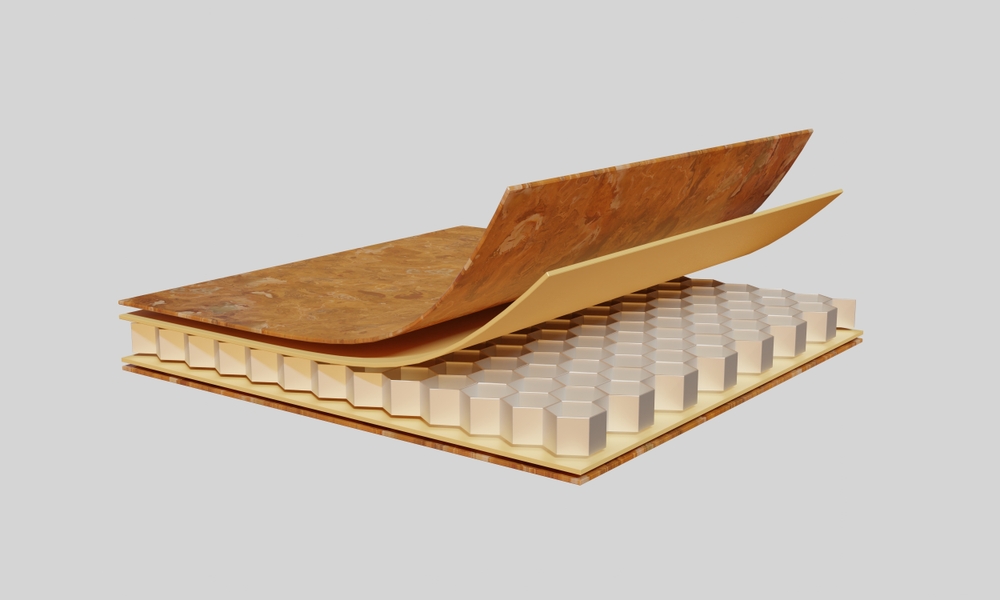
Aluminium Composite Panels consist of two thin layers of aluminium enclosing a non-aluminium core, typically made from polyethylene. These panels are lightweight yet strong, making them ideal for a variety of applications including building facades, signage, and interior decorations.
Key Features of Aluminium Composite Panels
Durability: Resistant to weather conditions and UV radiation.
Lightweight: Easy to handle and install.
Aesthetic Variety: Available in numerous colors and finishes.
Fire Resistance: Certain types are designed to meet fire safety standards.
Raw Materials Required for Aluminium Composite Panel Production
To manufacture ACPs, several key raw materials are necessary:
Aluminium Sheets: Typically 0.3-0.5 mm thick.
Core Material: Low-density polyethylene (LDPE) is commonly used.
Additives: Color pigments and performance-enhancing additives.
Adhesive Bonding Agents: Specialized adhesives that ensure strong bonding between layers.
Table 1: Raw Material Specifications
Material Type
Specification
Aluminium Sheet
0.3 - 0.5 mm thick
Core Material
LDPE (90-95% composition)
Adhesive
High-strength bonding agents
Coating Thickness
20 - 30 microns
Manufacturing Steps for Aluminium Composite Panels
Initial Preparation
The first step in how to make aluminium composite panel involves preparing the raw materials:
Select High-Quality Aluminium Sheets: Ensure the sheets are free from defects.
Clean Surfaces Thoroughly: Remove any contaminants that may affect adhesion.
Check Thickness and Flatness: Use precision tools to ensure uniformity.
Prepare Core Material: Ensure the polyethylene core is ready for bonding.
Core Formation
The core material is crucial for the panel's structural integrity:
Use Low-Density Polyethylene (LDPE): This material provides lightweight strength.
Create Uniform Core Thickness: Consistency is key for performance.
Incorporate Fire-Retardant Properties: Enhance safety features of the panels.
Bonding Process
The bonding process is critical in ensuring the durability of ACPs:
Apply Adhesive: A specialized adhesive is spread between the aluminium sheets and the core.
High-Temperature Pressing Techniques: Use heat and pressure to bond the layers effectively.
Maintain Consistent Pressure: Ensure there are no air gaps during bonding for optimal adhesion.
Key Manufacturing Techniques
Continuous Production Method
This method allows for efficient mass production:
Automated Production Line: Streamlines the manufacturing process.
Continuous Rolling and Bonding Process: Ensures consistent quality across panels.
Precise Temperature and Pressure Control: Vital for achieving desired physical properties.
Coating and Finishing
After bonding, panels undergo coating processes:
Apply Protective Paint Coatings: Enhances aesthetics and durability.
Use PVDF or Polyester Coatings: These coatings provide additional weather resistance.
Add Color Pigments: Customize panels according to design specifications.
Quality Control Parameters
Quality control is essential throughout the manufacturing process:
Thickness Uniformity
Surface Smoothness
Adhesive Strength
Color Consistency
Dimensional Accuracy
These parameters ensure that only high-quality panels reach the market.
Types of Aluminium Composite Panels
Different types of ACPs cater to various applications:
The cost of setting up a production line can vary significantly based on technology:
Equipment Type
Cost Range
Basic Production Line
$500,000 - $1,200,000
Advanced Automated Line
$1,500,000 - $3 million
Industrial Applications of Aluminium Composite Panels
ACPs find use in various industries due to their versatility:
Building facades
Interior decorations
Signage
Transportation industry
Advertising boards
Safety Considerations in ACP Manufacturing
Safety protocols are critical during manufacturing:
Proper ventilation during manufacturing processes.
Use of protective equipment for workers.
Adherence to fire safety protocols.
Careful handling of chemicals used in production.
Environmental Considerations
Sustainability is becoming increasingly important in ACP manufacturing:
Use of recyclable materials contributes to a lower carbon footprint.
Environmental Data Overview
Metric
Value
Recycling Rate
65 - 70%
Carbon Footprint
2.5 - 3.5 kg CO2 per square meter
Energy Consumption
8 - 12 kWh per square meter
Challenges in Manufacturing Aluminium Composite Panels
Manufacturers face several challenges that impact production efficiency:
Maintaining consistent bonding quality across panels.
Controlling material costs amidst market fluctuations.
Ensuring compliance with fire safety standards.
Meeting environmental regulations effectively.
Recommended Quality Standards
To ensure high-quality production, manufacturers should adhere to recognized standards:
ISO 9001 certification
ASTM International standards
Compliance with local building codes
Fire safety regulations adherence
Emerging Trends in ACP Manufacturing
The industry is witnessing several innovative trends that enhance product performance:
Nano-coating technologies for improved durability and aesthetics.
Enhanced fire-resistant compositions for safer applications.
Sustainable manufacturing processes focusing on waste reduction.
Digital color matching techniques for precise customization.
Future Projections in ACP Market Growth
The global market for aluminium composite panels is projected to grow significantly:
Global ACP market size (2023): $6.8 billion
Projected market size by 2030: $10.5 billion
Compound Annual Growth Rate (CAGR): 6.4%
Geographic Market Distribution (2023)
Understanding market distribution helps identify growth opportunities:
Region
Market Share
Asia-Pacific
45%
Europe
25%
North America
20%
Middle East & Africa
10%
Conclusion
In summary, understanding how to make aluminium composite panel involves a comprehensive look at the manufacturing process, from raw materials to finishing techniques and quality control measures. The versatility of ACPs makes them suitable for various applications across multiple industries, while ongoing innovations promise exciting developments in sustainability and performance enhancements.
By adhering to stringent quality standards and embracing emerging trends, manufacturers can meet the growing demand for aluminium composite panels while contributing positively to environmental sustainability efforts.
This guide serves as a valuable resource for anyone interested in the intricacies of aluminium composite panel production, providing insights into both the technical aspects and market dynamics shaping this industry today.