Cutting stone cladding requires precision, the right tools, and effective techniques to achieve clean, professional results without damaging the stone. This guide will walk you through every aspect of the process, from preparation to finishing, with tips to ensure safety and efficiency. Whether you are a DIY enthusiast or a professional, mastering these techniques will help you handle stone cladding confidently.
Understanding Stone Cladding
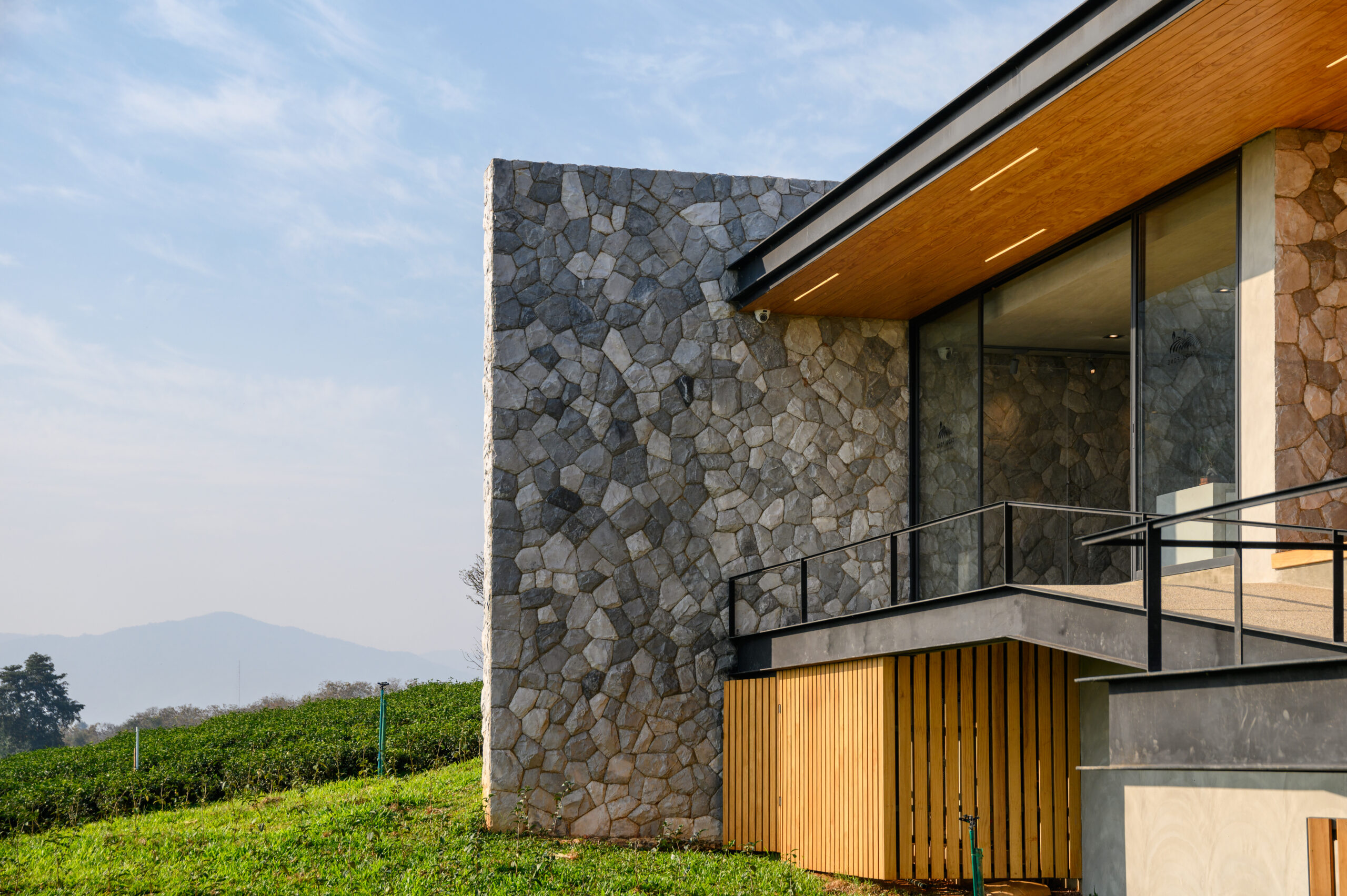
Stone cladding is a decorative covering made from thin layers of stone, often used to enhance the aesthetics of walls, fireplaces, or facades. The materials commonly used include:
Granite: Durable and ideal for outdoor use.
Marble: Elegant but softer and prone to scratches.
Slate: Known for its natural texture and rustic appearance.
Engineered Stone: A mix of natural stone and resin for versatility.
Each type of stone may require specific tools and cutting techniques due to its unique properties.
Tools for Cutting Stone Cladding
1. Angle Grinder
Use: Ideal for small, precise cuts and curved edges.
Tips: Work slowly to prevent overheating the stone or blade.
2. Wet Saw
Use: Best for large pieces and straight cuts.
Benefits: Water reduces dust and cools the blade, providing smooth cuts.
Setup: Adjust blade height and ensure continuous water flow.
3. Chisel and Hammer
Use: Suitable for softer stones like slate or sandstone and achieving a rustic look.
Method: Score the surface before applying gentle taps to split the stone.
4. Handheld Circular Saw
Use: Effective for thicker cladding pieces requiring deeper cuts.
Blade: Diamond blades are essential for hard stones.
Tool
Best For
Advantages
Angle Grinder
Small, precise cuts
Lightweight and versatile
Wet Saw
Straight, clean cuts
Reduces dust, cools the blade
Chisel & Hammer
Rustic finishes
No electricity required, low cost
Circular Saw
Thick, hard stones
High power, deep cutting capability
Preparing for the Cut
Proper preparation minimizes errors and ensures efficiency:
1. Measure and Mark
Use a tape measure to mark the dimensions required.
Mark cutting lines on the stone using a pencil, chalk, or wax crayon.
2. Set Up the Workspace
Use a sturdy surface or workbench to stabilize the stone.
Secure the stone with clamps or a non-slip mat to prevent movement during cutting.
3. Test Cuts
Practice on a scrap piece of stone to familiarize yourself with the tool and stone properties.
Step-by-Step Guide: How to Cut Stone Cladding
1. Using an Angle Grinder
Fit a diamond-tipped blade to the grinder.
Secure the stone and start cutting along the marked line.
Make slow, steady passes to avoid overheating or cracking.
2. Using a Wet Saw
Adjust the blade height according to the stone’s thickness.
Align the stone with the guide rail and feed it steadily through the blade.
Use water to cool the blade and minimize dust.
3. Using a Chisel and Hammer
Score a shallow groove along the marked line.
Gradually deepen the groove with controlled taps.
Apply firm taps to split the stone along the groove.
4. Using a Circular Saw
Install a diamond blade and adjust cutting depth.
Cut in multiple passes for thicker stones to prevent stress on the material.
Ensure consistent pressure along the cutting line.
Cutting Tool
Key Steps
Angle Grinder
Secure stone, slow cuts, diamond blade
Wet Saw
Water cooling, steady feeding
Chisel & Hammer
Score, tap, and split progressively
Circular Saw
Multi-pass cuts, diamond blade
Safety Measures for Cutting Stone Cladding
1. Personal Protective Equipment (PPE)
Goggles: Protect eyes from flying debris.
Dust Mask/Respirator: Prevent inhalation of silica dust.
Gloves: Shield hands from sharp edges and cuts.
2. Workspace Safety
Ensure the workspace is well-ventilated to disperse dust.
Keep the area clear of unnecessary items to avoid accidents.
Use ear protection if tools generate high noise levels.
3. Tool Maintenance
Inspect blades for wear and replace if necessary.
Ensure tools are clean and in good working condition.
Safety Gear
Purpose
Protective Goggles
Shield eyes from debris
Dust Mask/Respirator
Prevent inhalation of silica dust
Heavy-Duty Gloves
Protect hands from sharp edges
Finishing the Cut
After cutting, the edges may require refinement:
1. Sanding and Polishing
Use a sanding block or grinding wheel to smooth rough edges.
For polished stones, use finer grit sandpaper for a smooth finish.
2. Cleaning
Wash the stone with water to remove debris and dust.
Dry the stone thoroughly before installation.
Common Challenges and Solutions
Challenge
Solution
Stone Cracking
Slow down cutting speed; use water cooling
Uneven Edges
Use a guide or straight edge for alignment
Excessive Dust
Opt for wet cutting to suppress dust
Blade Wear
Replace or maintain diamond blades regularly
Tips for Cutting Stone Cladding Effectively
Use Wet Cutting: Reduces dust and prolongs blade life.
Cut in Stages: For thicker pieces, make multiple shallow passes.
Maintain Tools: Regularly inspect and replace blades for best results.
Secure the Stone: Prevent movement to ensure straight, accurate cuts.
Choose the Right Tool: Match the tool to the stone type and project size.
Conclusion
Cutting stone cladding is a skill that combines preparation, precision, and the right tools. By following the steps and tips in this guide, you can achieve professional-grade results for your projects. Whether using an angle grinder, wet saw, or chisel, the key is to work steadily and prioritize safety. With practice, you’ll be able to handle any stone cladding project with confidence.