How to Apply Stone Cladding onto Walls: Complete DIY Guide
Many homeowners struggle with plain, uninspiring walls that lack character. Stone cladding offers a stunning solution to transform ordinary surfaces into impressive focal points with natural texture and timeless appeal. This guide walks you through every step of applying stone cladding onto walls yourself, saving thousands in contractor costs while achieving professional results. Read on to discover how this weekend project can dramatically enhance your home's value and aesthetic appeal.
What You'll Find in This Stone Cladding Installation Guide
Understanding Stone Cladding
Materials and Tools Needed
Planning Your Stone Cladding Project
Step-by-Step Application Guide
Finishing Touches and Sealing
Maintenance Tips
Troubleshooting Common Issues
FAQs About Applying Stone Cladding
Understanding Stone Cladding
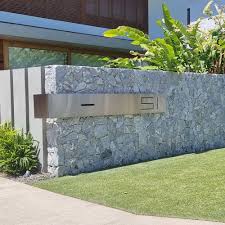
Stone cladding refers to thin layers of stone applied to walls for decorative purposes. Unlike structural stone walls, cladding is primarily aesthetic, creating the appearance of solid stone construction without the structural requirements.
Types of Stone Cladding Available
Stone cladding comes in various forms, each with distinct installation methods:
Natural Stone Veneer: Cut from actual stone, typically 1-2 inches thick
Manufactured Stone Veneer: Made from cement products, lighter and often easier to install
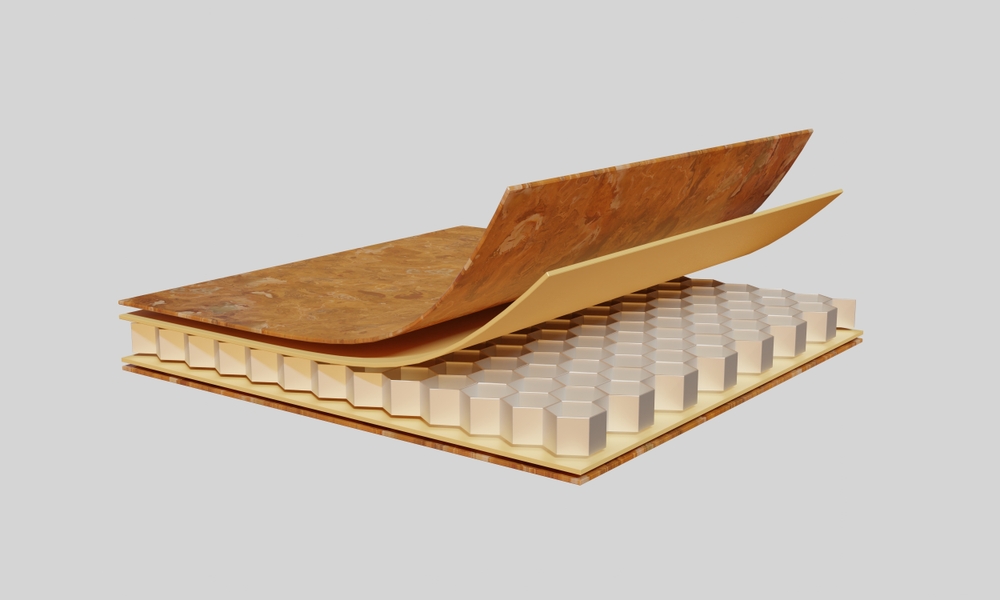
Stone Panels: Pre-fabricated panels with multiple stones attached to backing
Stone Tiles: Regular-shaped, thin stone pieces installed similar to ceramic tiles
Ledgestone: Horizontal layers of varying length stones
Fieldstone: Rounded, irregular stones with rustic appearance
Benefits of Wall Stone Cladding
Adding stone cladding to your walls offers numerous advantages:
Creates dramatic visual impact and architectural interest
Increases property value
Provides additional insulation
Protects underlying wall structure
Requires minimal maintenance once installed
Works in both interior and exterior applications
Offers exceptional durability compared to paint or wallpaper
Materials and Tools Needed
Essential Materials for Stone Cladding Application
Material
Purpose
Estimated Quantity
Stone cladding/veneer
Main decorative element
Calculate square footage + 10% extra
Cement mortar mix
Adhesive for stones
50 lb bag per 25-30 sq ft
Metal lath
Creates textured surface for adhesion
Wall square footage
Vapor barrier/house wrap
Moisture protection for exterior applications
Wall square footage + 10%
Staples
Securing lath
1 box per 100 sq ft
Masonry screws
For attaching lath to difficult surfaces
As needed
Cement board (optional)
Alternative backing for some applications
Wall square footage
Corner pieces
For clean edges around corners
Linear footage of corners
Concrete sealer
To protect finished surface
1 gallon per 200-300 sq ft
Required Tools for Stone Cladding Installation
Tape measure and pencil
Level
Safety glasses and gloves
Dust mask
Utility knife
Staple gun
Hammer and masonry chisel
Wet saw or angle grinder with masonry blade
Notched trowel
Pointing trowel
Grout bag
Joint tool or wooden stick
Stiff brush
Mixing bucket
Drill with mixing paddle
Wheelbarrow for mixing larger batches
Planning Your Stone Cladding Project
Assessing Your Wall Surface
Before applying stone cladding onto your wall, assess the existing surface:
Brick, Block, or Concrete: Usually provides excellent base with minimal preparation
Remove loose stones, clean back, reapply with fresh mortar
Uneven appearance
Insufficient planning, poor stone distribution
Plan layout before application, maintain consistent joint width
Mortar staining on faces
Delayed cleaning, incorrect mortar consistency
Clean promptly, use proper consistency, consider darker mortar
Efflorescence (white powder)
Moisture penetration, mineral deposits
Apply appropriate sealer, improve drainage around exterior walls
Cracking in mortar joints
Structural movement, improper mixing
Use flexible additives in mortar, repair cracks promptly
Water penetration
Poor sealing, gaps in application
Seal properly, ensure complete joint filling
How to Fix Damaged Areas in Stone Cladding
For minor repairs to your stone wall cladding:
Remove Damaged Stones:
Use chisel and hammer to carefully remove affected stones
Clean out old mortar completely
Repair Underlying Surface:
Check for moisture issues
Repair scratch coat if damaged
Install Replacement Stones:
Select stones similar to surrounding area
Apply fresh mortar using same technique as original installation
Match joint style and depth
Blend Repair Area:
Match mortar color to existing
Consider slight aging techniques to blend new and old areas
FAQs About Applying Stone Cladding
Q: How long does it take to apply stone cladding to a wall? A: For a standard 100 sq ft wall, expect 2-4 days total including preparation and drying time.
Q: Can I apply stone cladding to any type of wall? A: Most walls can accept stone cladding with proper preparation. Drywall requires additional support, while masonry walls need minimal preparation.
Q: Do I need special skills to apply stone cladding myself? A: Basic DIY skills are sufficient. The most important factors are careful planning and patience during application.
Q: How much does DIY stone cladding cost compared to professional installation? A: DIY installation typically costs 30-50% less than professional installation, with materials representing the majority of the expense.
Q: Can stone cladding be applied in bathrooms or near fireplaces? A: Yes, but these areas require special consideration for moisture and heat resistance. Use appropriate backing and sealers.
Q: How much weight will stone cladding add to my wall? A: Natural stone veneer adds approximately 15-20 pounds per square foot, while manufactured stone typically adds 8-12 pounds per square foot.
Q: Can I install stone cladding over existing tile or brick? A: Yes, provided the existing surface is sound and properly prepared with metal lath and scratch coat.
Q: What's the difference between dry-stack and mortared joint installation? A: Dry-stack creates the appearance of stones without visible mortar joints, while mortared joints show defined mortar lines between stones. Dry-stack still requires mortar behind stones for adhesion.
Conclusion: Your Stone Cladding Success
Applying stone cladding to your walls transforms ordinary spaces into stunning showcases of natural beauty and texture. By following this comprehensive guide, you can successfully complete this project yourself, saving money while adding significant value to your home.
Remember these key points for success:
Proper wall preparation creates the foundation for lasting results
Quality materials make application easier and more durable
Patient, methodical installation prevents common problems
Regular maintenance preserves your stone cladding's beauty
Whether you're creating a dramatic accent wall indoors or enhancing your home's curb appeal outside, stone cladding offers one of the most dramatic transformations possible for the DIY enthusiast. With these techniques, you'll achieve professional results that will be admired for decades to come.