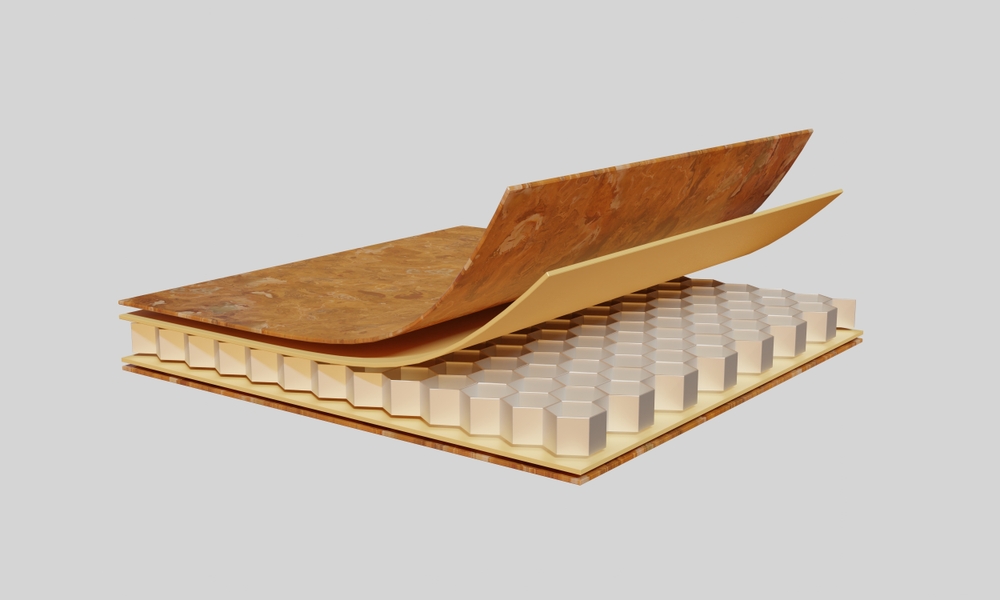
Stone cladding is a popular architectural feature that brings timeless elegance, durability, and practicality to a variety of structures. Whether used indoors or outdoors, its aesthetic appeal makes it a sought-after choice for designers and homeowners alike. One of the most frequent questions regarding this material is, "How thick is stone cladding?" In this article, we’ll explore the answer to this question in-depth and cover everything you need to know about stone cladding thickness, its applications, advantages, and installation requirements.
Stone cladding is a decorative layer of natural or artificial stone applied to buildings and structures. It is often chosen for its ability to mimic the look of solid stone construction while being lighter and more cost-effective.
The key difference between solid stone and cladding is that cladding acts as a veneer, serving aesthetic and protective purposes rather than forming the structural component of the wall.
The thickness of stone cladding varies depending on the material used, the method of installation, and the application. Below are the standard thicknesses for different types of stone cladding:
| Type of Stone Cladding | Typical Thickness |
| Natural Stone Panels | 20-40 mm (0.8-1.6 inches) |
| Stacked Stone Veneer | 15-25 mm (0.6-1 inch) |
| Large Format Stone Tiles | 10-20 mm (0.4-0.8 inches) |
| Artificial or Manufactured Stone | 20-30 mm (0.8-1.2 inches) |
Several factors influence how thick stone cladding is:
Natural stone tends to have a slightly greater thickness compared to manufactured stone due to its inherent structural properties.
Buildings with robust support structures can accommodate thicker stone cladding, while weaker walls may require lighter and thinner options.
The thickness might increase if additional layers (like backing panels or insulation) are required as part of the installation.
Knowing the exact thickness of your stone cladding ensures:
| Stone Type | Average Thickness (mm) | Primary Use Case | Durability |
| Natural Stone | 20-40 | Exterior Walls | High |
| Manufactured Stone | 20-30 | Interiors & Facades | Medium |
| Thin Stone Veneer | 10-25 | Interiors | Medium |
The wall or frame must support the weight of the chosen cladding thickness. Reinforced walls or metal frameworks may be required for thicker stone cladding.
The adhesive or mortar layer adds approximately 5-10 mm to the total depth.
For exterior applications, an additional layer of insulation may be installed behind the cladding, affecting the overall depth.
Yes, thin stone cladding can be used outdoors, but it requires proper sealing and weatherproofing to ensure durability.
Thicker cladding tends to require less maintenance as it’s more resistant to damage. However, all stone cladding requires regular cleaning and sealing.
For interior applications, 10-20 mm is generally sufficient, as it reduces weight and installation complexity.
The thickness of stone cladding directly affects the cost of materials and installation. Thicker cladding is:
Below is a cost comparison chart:
| Thickness | Material Cost (Per Sq. Meter) | Installation Cost |
| 10-20 mm | $50-$100 | $30-$50 |
| 20-40 mm | $80-$150 | $50-$80 |
Stone cladding thickness plays a crucial role in the aesthetic, structural, and functional performance of a project. Standard thicknesses range from 10 mm for interior applications to 40 mm for exterior use, with variations depending on material and design requirements. By understanding these differences, you can make informed decisions to achieve the perfect balance of durability, cost, and beauty.