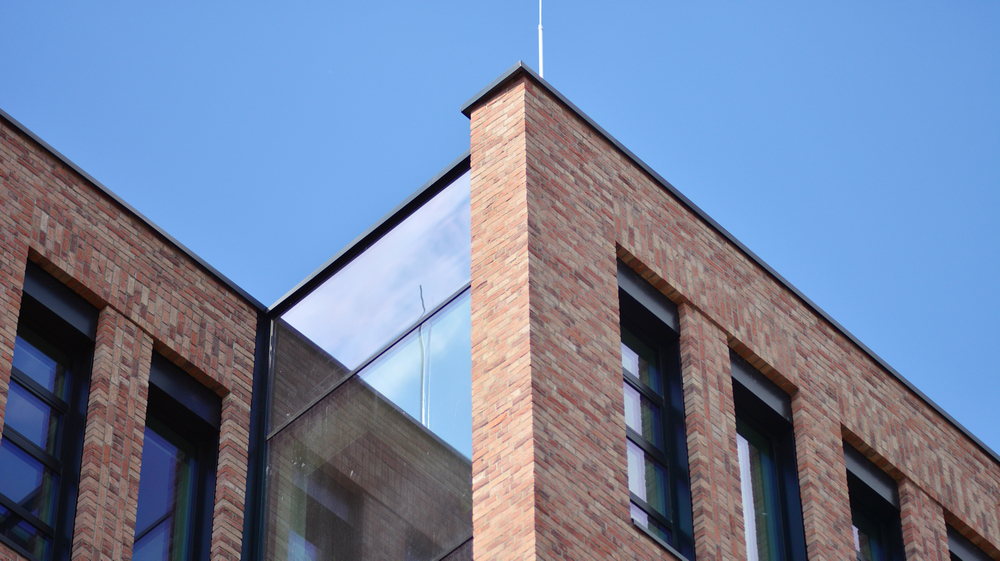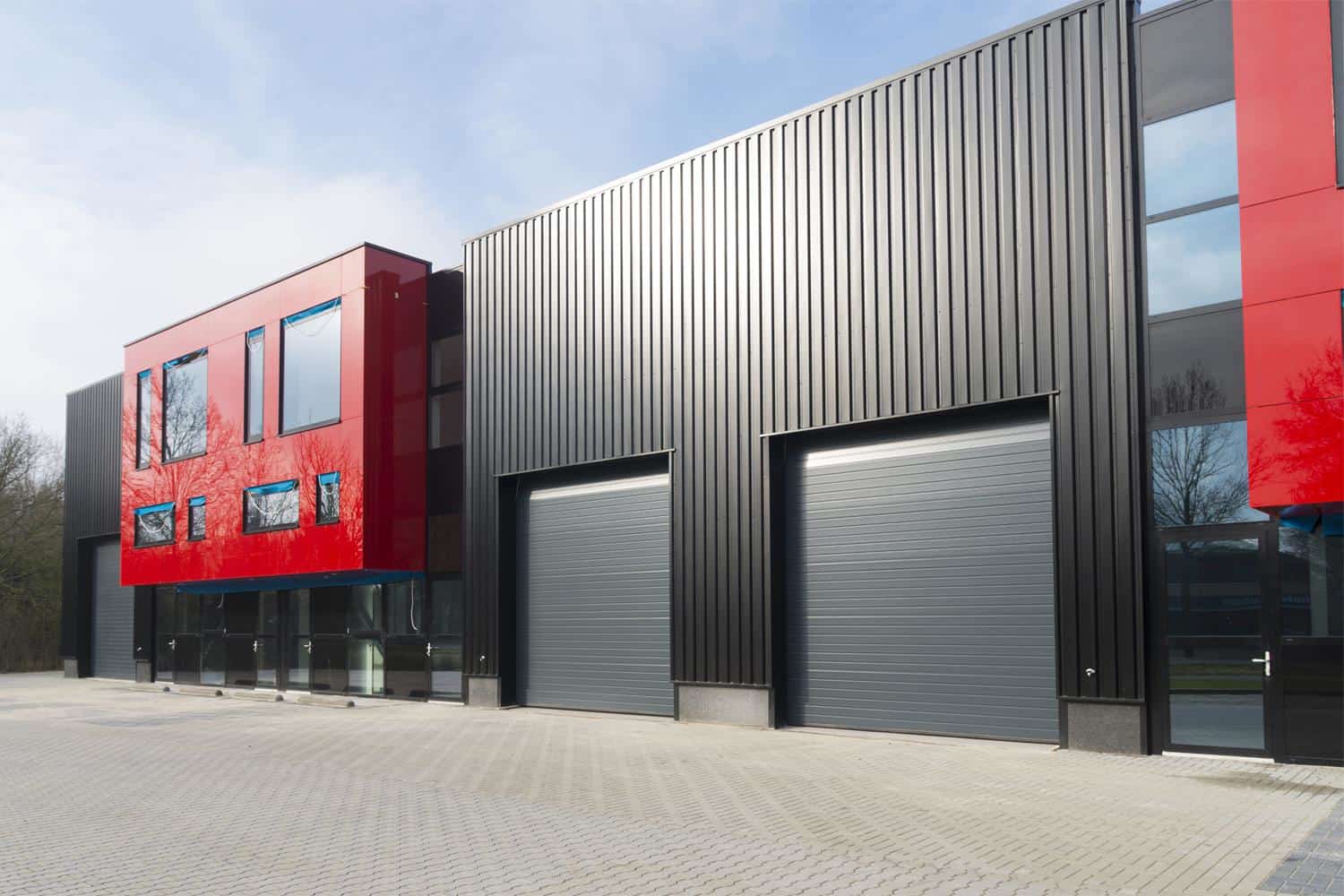
Aluminium Composite Panels (ACPs) are increasingly popular in modern architecture due to their unique combination of strength, lightweight properties, and aesthetic versatility. This article delves into the strength characteristics of ACPs, exploring their structural composition, mechanical properties, performance characteristics, and applications.
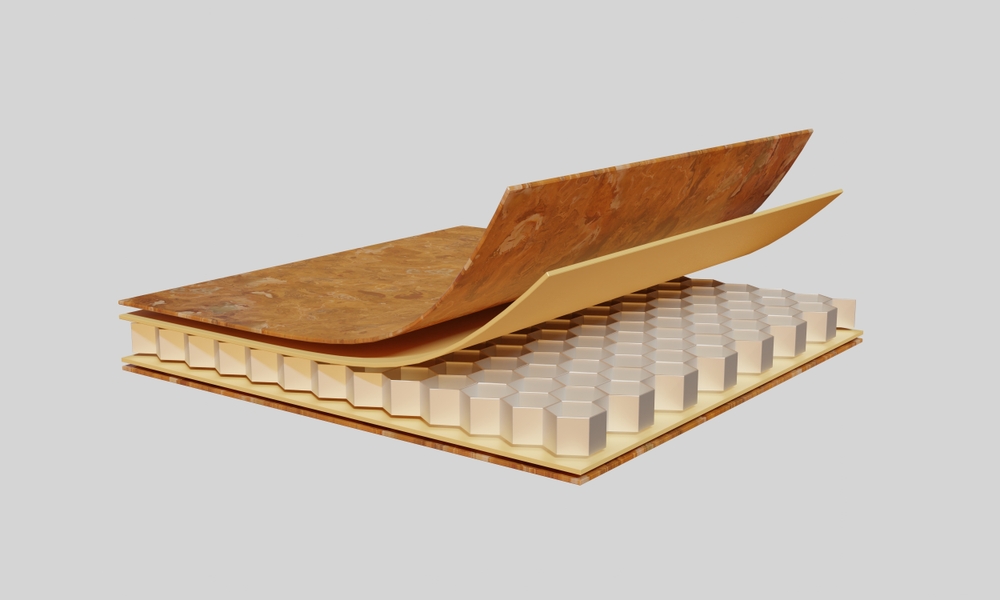
Aluminium Composite Panels consist of two thin layers of aluminum enclosing a non-aluminum core, which is typically made from polyethylene or fire-retardant materials. This composite structure results in a material that is both strong and lightweight, making it ideal for various applications in the construction industry.
This layered structure provides excellent rigidity and durability while maintaining a low weight, which is crucial for reducing the overall load on building structures.
The strength of Aluminium Composite Panels can be quantified through several key mechanical properties:
| Property | Typical Range (MPa) |
| Tensile Strength | 110 - 160 |
| Compressive Strength | 70 - 120 |
| Flexural Strength | 130 - 180 |
| Shear Strength | 70 - 100 |
Several factors influence the strength characteristics of Aluminium Composite Panels:
Aluminium Composite Panels exhibit several performance characteristics that make them suitable for a variety of applications:
Many ACPs are available with fire-retardant cores, enhancing safety in building applications where fire risk is a concern.
When comparing Aluminium Composite Panels to other materials commonly used in construction:
| Material | Weight (kg/m²) | Strength Characteristics |
| Aluminium Composite Panel | 3 - 4 | High tensile and compressive strength |
| Solid Aluminum | 11.47 | Heavier but less flexible |
| Steel | Varies | Strong but significantly heavier |
| Wood | Varies | Weaker and more susceptible to environmental damage |
ACPs are notably stronger than wood panels and lighter than steel sheets, making them an attractive option for architects and builders.
The unique strength characteristics of Aluminium Composite Panels make them suitable for various applications:
When selecting Aluminium Composite Panels for specific applications, consider the following:
While ACPs offer numerous advantages, they also have limitations:
Aluminium Composite Panels represent a remarkable blend of strength, versatility, and aesthetic appeal, making them a preferred choice in modern construction. Their high strength-to-weight ratio, impact resistance, and environmental durability position them as an ideal material for various architectural applications. As building designs continue to evolve, the use of ACPs will likely expand further, offering innovative solutions that meet both functional and aesthetic requirements.
In summary, understanding "how strong is aluminium composite panel" involves recognizing its exceptional mechanical properties and the factors that contribute to its performance in diverse environments. Whether used in high-rise buildings or intricate signage systems, ACPs stand out as a robust choice that balances form and function effectively.