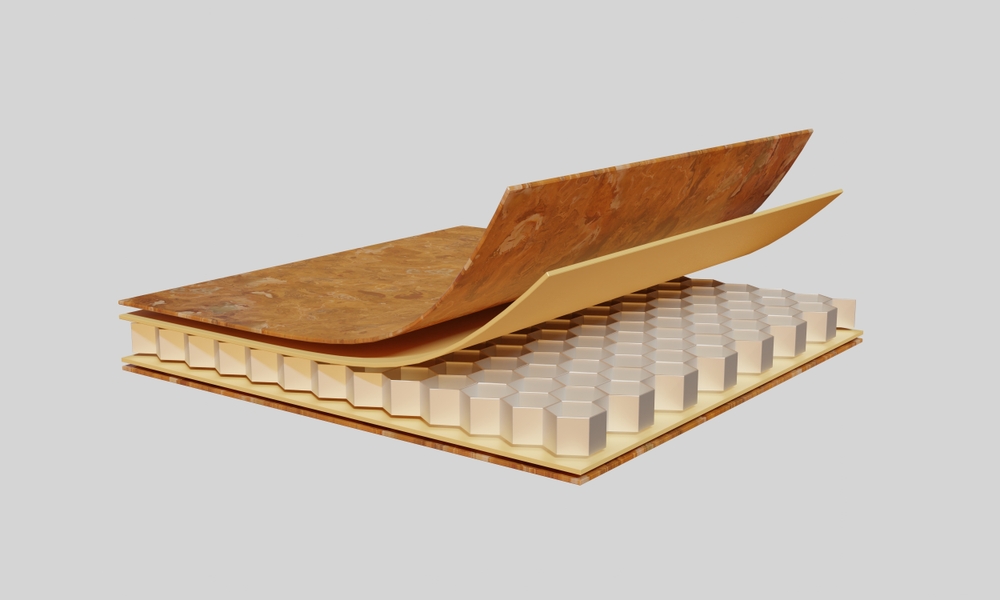
Stone cladding has emerged as a sustainable building material due to its durability, minimal environmental impact, and energy efficiency throughout its lifecycle. This article provides an in-depth look at the sustainability features of stone cladding, its benefits, challenges, and strategies to enhance its ecological performance. Whether you're an architect, builder, or eco-conscious homeowner, understanding how stone cladding contributes to sustainable construction is crucial.
Stone cladding involves applying a thin layer of natural or engineered stone to a building's exterior or interior walls. It replicates the appearance of full-thickness stone while using less material. Stone cladding enhances architectural aesthetics, protects the underlying structure, and improves energy efficiency.
One of the primary reasons stone cladding is considered sustainable is its exceptional durability:
The extraction and processing of stone have a lower environmental impact compared to synthetic materials:
Stone cladding enhances energy efficiency by improving a building's thermal performance:
Natural stone is 100% recyclable, contributing to a circular economy:
| Benefit | Description |
| Natural Aesthetics | Stone provides a timeless, natural appearance that enhances architectural appeal. |
| Durability | Resistant to extreme weather, fire, and pests, requiring minimal repair or replacement. |
| Energy Efficiency | Reduces heating and cooling demands through thermal insulation. |
| Low Maintenance | Cleaning and sealing are occasional and straightforward. |
| Environmental Harmony | Stone is biodegradable and integrates well into natural surroundings when reused or discarded. |
While stone cladding offers numerous benefits, it also presents some challenges:
Quarrying can disrupt ecosystems and landscapes:
Transporting stone over long distances increases its carbon footprint. Local sourcing can mitigate this impact (Dimitrakakis et al., 2009).
Stone cladding can degrade in certain conditions:
A Life Cycle Assessment (LCA) highlights stone cladding's sustainability advantages:
| Material | Durability | Thermal Efficiency | Embodied Energy | Recyclability | Environmental Impact |
| Stone Cladding | High | High | Low | High | Minimal |
| Concrete Cladding | Moderate | High | Moderate | Moderate | Moderate |
| Metal Cladding | Moderate | Low | High | High | High |
Using stone from nearby quarries reduces transportation emissions and supports regional economies (Klemm & Wiggins, 2016).
Stone cladding is an excellent example of sustainable building material due to its durability, low embodied energy, and recyclability. While challenges like quarrying impacts and transportation emissions exist, adopting sustainable practices such as local sourcing, efficient design, and advanced maintenance strategies can significantly enhance its ecological performance. As a long-lasting and energy-efficient solution, stone cladding remains a vital component of sustainable architecture.