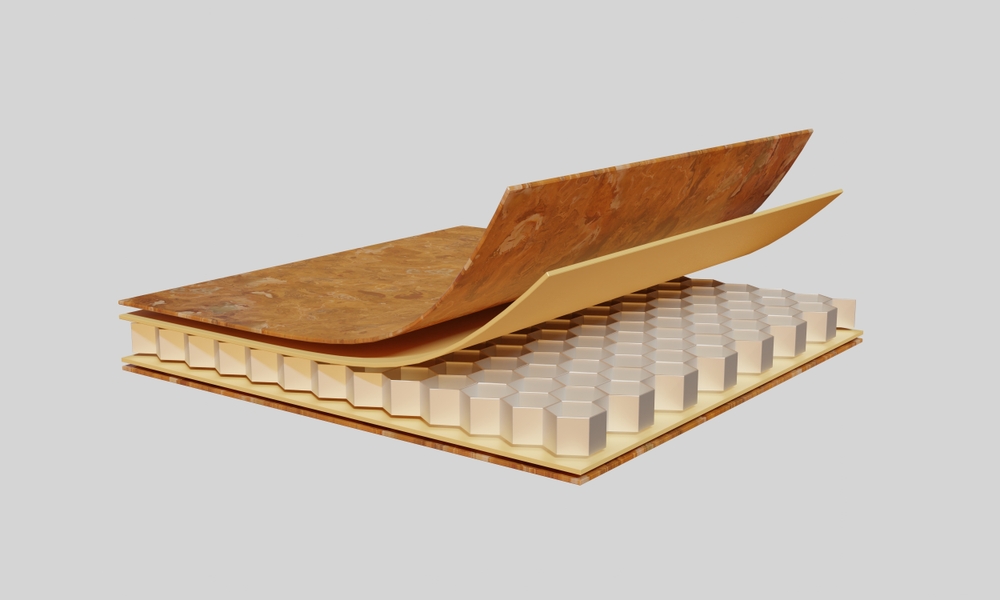
In the world of architecture and construction, facades play a pivotal role in both form and function. But how does a facade work, and why is it such a crucial element of building design? This comprehensive guide will explore the intricate workings of facades, their various purposes, and the principles that govern their effectiveness.
What is a Facade?
Before diving into how a facade works, let's establish a clear definition:
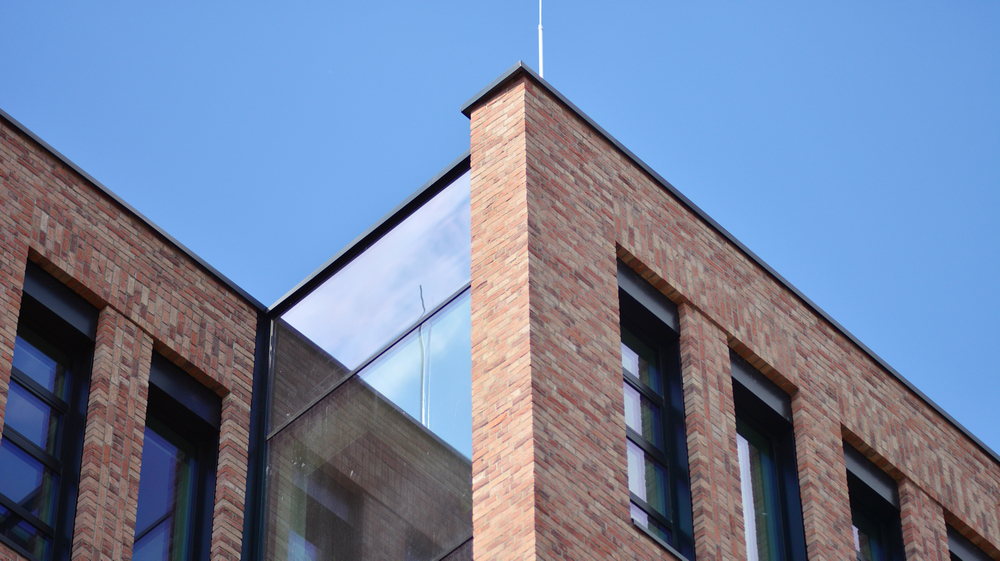
A facade is the exterior face of a building, typically the front, that serves as the primary visual element and protective barrier between the interior and the external environment.
Key Functions: How Does a Facade Work?
To understand how a facade works, we need to explore its primary functions:
Aesthetic appeal
Structural support
Environmental protection
Energy efficiency
Property value enhancement
Let's delve deeper into each of these functions to gain a comprehensive understanding of how facades work.
The Aesthetic Dimension: How Facades Create Visual Impact
Creating a Lasting Impression
One of the primary functions of a facade is to make a strong visual statement. Here's how facades work to achieve this:
Style Establishment: Facades set the architectural tone for the entire building.
First Impressions: They create the initial impact on observers, often reflecting the building's purpose or the owner's taste.
Artistic Expression: Architects use facades as a canvas to showcase their design skills and creativity.
Design Elements That Make Facades Work
To understand how a facade works aesthetically, consider these key design principles:
Proportions: Balancing the facade's dimensions with the overall building structure
Contrast and Hierarchy: Using varying materials and elements to create visual interest
Symmetry and Rhythm: Employing patterns to convey stability or dynamism
Material Selection: Choosing surfaces that complement each other and the building's context
The Structural Role: How Facades Support Buildings
While aesthetics are important, facades also play a crucial structural role. Let's explore how facades work to provide support:
Load-Bearing Facades
In traditional architecture, facades often serve as load-bearing walls. This means they:
Support the weight of floors and roofs
Transfer loads to the building's foundation
Provide overall structural integrity
Modern Curtain Wall Systems
Contemporary buildings often use non-load bearing curtain wall facades, which:
Hang from the building structure like a curtain
Must still be structurally sound to withstand environmental forces
Allow for more design flexibility and larger glass areas
Environmental Protection: How Facades Shield Buildings
One of the most important aspects of how a facade works is its role in protecting the building from the elements.
Weather Resistance
Facades act as a barrier against:
Rain and moisture
Wind and air infiltration
Solar radiation
Temperature fluctuations
Material Considerations for Protective Facades
Material
Weather Resistance
Durability
Energy Efficiency
Glass
Moderate
High
Variable
Stone
High
Very High
Moderate
Metal
High
High
Variable
Concrete
High
Very High
High
Wood
Moderate
Moderate
Moderate
Energy Efficiency: How Facades Optimize Building Performance
Modern facades are increasingly designed with energy efficiency in mind. Here's how facades work to improve a building's energy performance:
Insulation and Thermal Management
High-performance glazing: Reduces heat transfer
Insulation materials: Minimize energy loss
Shading devices: Control solar gain
Ventilation and Natural Lighting
Facades can be designed to:
Facilitate natural airflow
Maximize daylight penetration
Reduce reliance on artificial lighting and HVAC systems
The Facade Design Process: From Concept to Construction
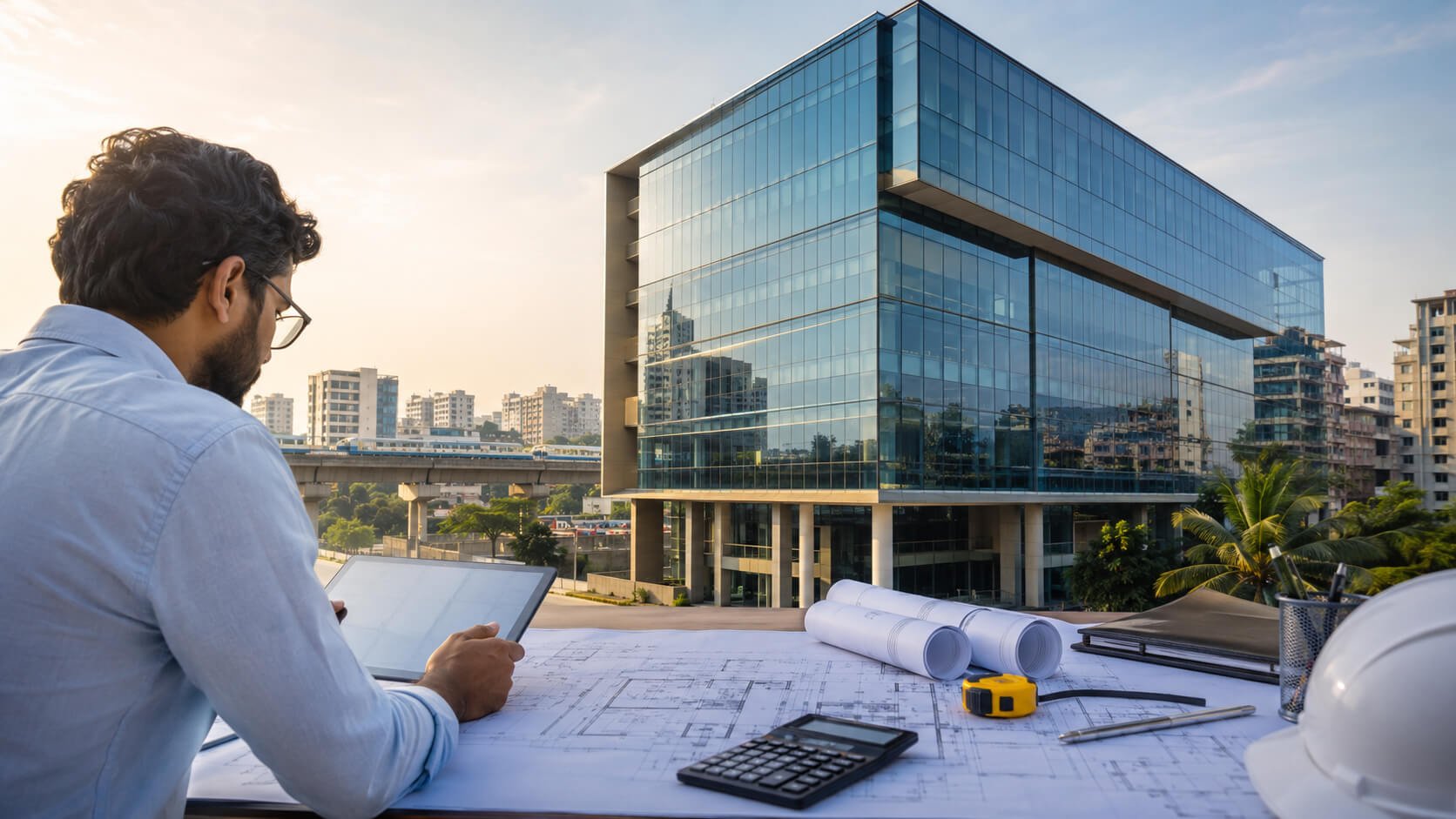
To fully understand how a facade works, it's essential to look at the design and construction process:
Concept Design
Establish performance criteria
Brainstorm initial ideas
Align with client vision
Developed Design
Refine concepts
Ensure spatial coordination
Address building regulations
Technical Design
Finalize specifications
Create detailed drawings
Select materials and construction methods
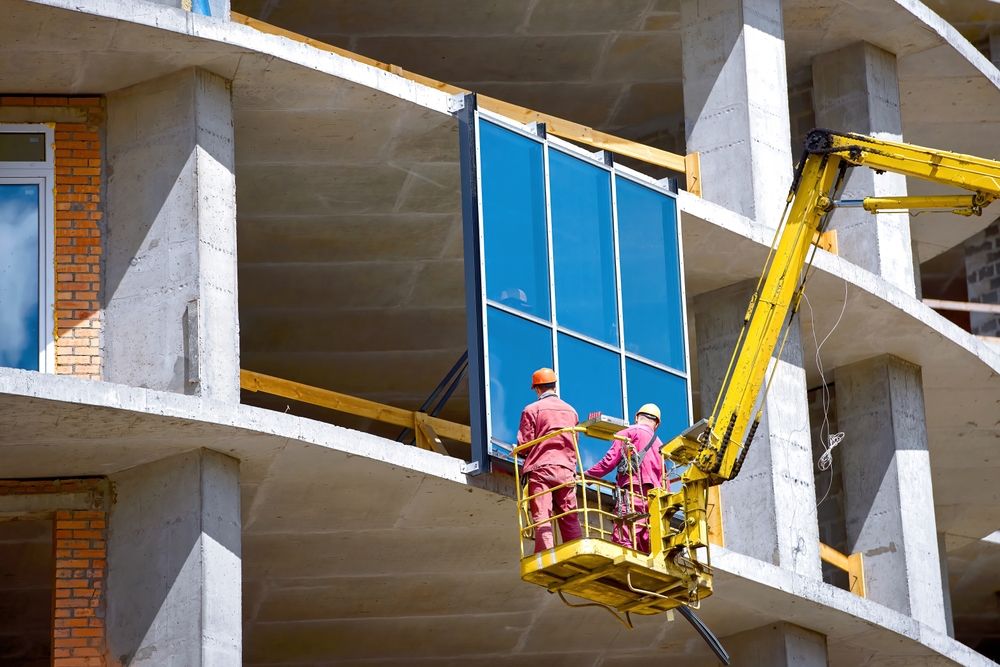
Construction
Oversee installation
Conduct performance tests
Ensure design integrity
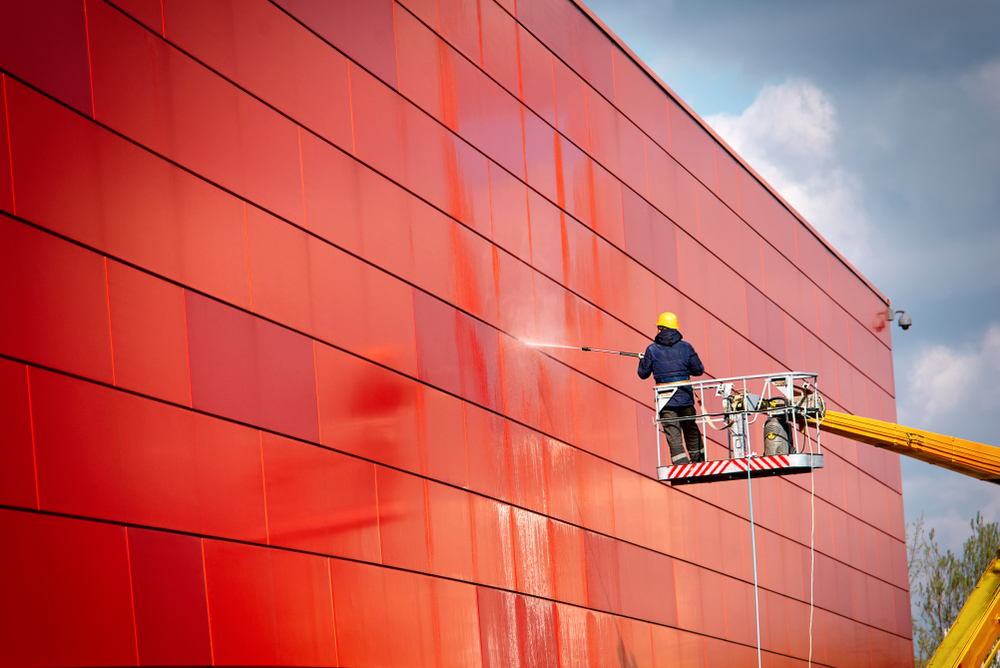
Handover and Maintenance
Provide ongoing monitoring
Perform regular inspections
Address maintenance needs
Innovative Facade Technologies: The Future of How Facades Work
As technology advances, so does the functionality of facades. Here are some cutting-edge innovations:
Smart Facades: Adapt to environmental conditions
Biophilic Facades: Integrate living plants for improved air quality and aesthetics
Energy-Generating Facades: Incorporate solar panels or wind turbines
Self-Cleaning Facades: Use photocatalytic materials to break down dirt
Case Studies: How Facades Work in Iconic Buildings
Let's examine how facades work in some well-known structures:
The Shard, London
Glass facade reflects changing sky conditions
Double-skin facade for improved insulation
Burj Khalifa, Dubai
Reflective glazing to manage intense sunlight
Specially designed to withstand high winds at extreme heights
One World Trade Center, New York
Prismatic glass facade for enhanced light refraction
Blast-resistant design for security
Challenges in Facade Design and Implementation
While facades offer numerous benefits, their design and construction come with challenges:
Balancing aesthetics with functionality
Meeting stringent energy codes
Ensuring long-term durability
Managing construction costs
Addressing maintenance requirements
How Does a Facade Work: Key Considerations for Architects and Engineers
When designing a facade, professionals must consider various factors to ensure optimal performance:
1. Climate and Location
Local weather patterns
Solar orientation
Urban context
2. Building Function
Residential, commercial, or industrial use
Occupancy patterns
Interior comfort requirements
3. Structural Requirements
Wind loads
Seismic considerations
Thermal expansion and contraction
4. Material Properties
Durability
Thermal performance
Acoustic properties
Maintenance needs
5. Sustainability Goals
Energy efficiency targets
Green building certifications
Life cycle assessment
The Role of Technology in Modern Facade Design
Technology has revolutionized how facades work, enabling more complex and efficient designs:
Building Information Modeling (BIM)
Virtual 3D modeling of facade systems
Improved coordination between design disciplines
Enhanced performance simulations
Parametric Design
Rapid iteration of facade geometries
Optimization of performance parameters
Customization of facade elements
Advanced Materials
Nano-materials for improved insulation
Phase-change materials for thermal regulation
Self-healing concrete for reduced maintenance
The Economic Impact: How Facades Work to Enhance Property Value
A well-designed facade can significantly impact a building's economic value:
Increased Curb Appeal: Attracts potential buyers or tenants
Energy Cost Savings: Reduces operational expenses
Brand Image: Enhances corporate identity for commercial buildings
Longevity: Reduces long-term maintenance costs
Market Differentiation: Sets the building apart from competitors
Sustainability and Facades: The Green Building Connection
Understanding how a facade works is crucial for sustainable building design:
LEED Certification
Facades contribute to several LEED credit categories:
Energy and Atmosphere
Materials and Resources
Indoor Environmental Quality
Passive House Standards
Facades play a critical role in meeting Passive House requirements:
Super-insulation
Airtightness
Thermal bridge-free design
The Future of Facades: Emerging Trends and Technologies
As we look ahead, several trends are shaping how facades will work in the future:
Adaptive Facades: Responsive to changing environmental conditions
3D Printed Facades: Custom, complex geometries with reduced waste
Biomimetic Design: Facades inspired by natural systems
AI-Optimized Facades: Machine learning for performance optimization
Circular Economy Principles: Design for disassembly and material reuse
Conclusion: The Integral Role of Facades in Modern Architecture
Understanding how a facade works is crucial for architects, engineers, and building owners alike. From creating stunning visual impressions to providing essential protection and energy efficiency, facades are multifaceted components that require careful consideration and expert design.
As we've explored, the question "How does a facade work?" encompasses a wide range of functions and principles. By integrating aesthetic appeal, structural support, environmental protection, and energy efficiency, facades play a vital role in shaping our built environment and enhancing the performance of buildings.
Whether you're designing a new structure or renovating an existing one, considering the intricate workings of facades will undoubtedly lead to better, more sustainable, and visually striking buildings that stand the test of time.