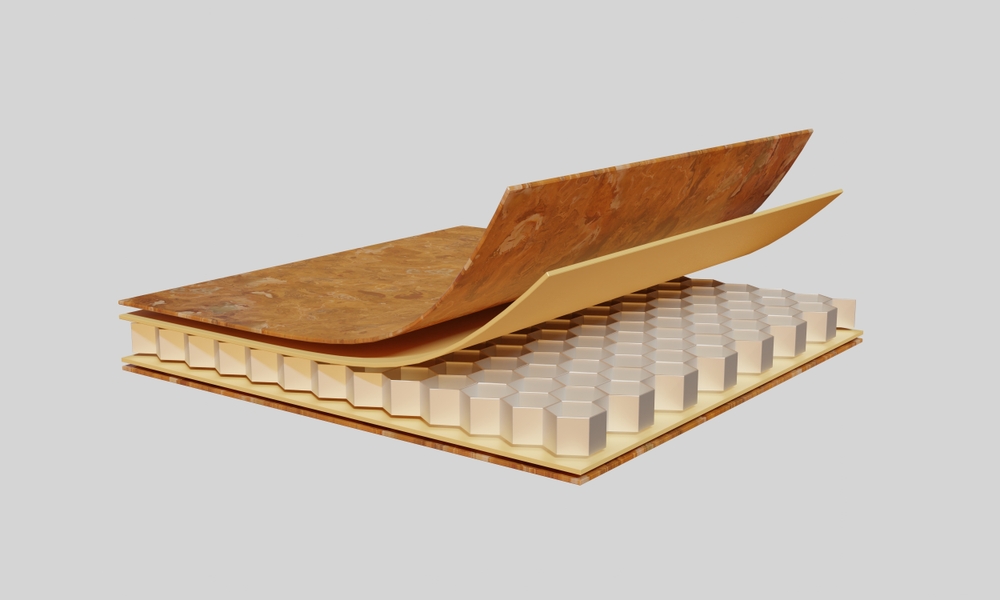
Ceramic tiles are a popular choice for flooring and wall finishes, thanks to their durability, aesthetic appeal, and low maintenance requirements. However, like any construction material, ceramic tiles have implications for both the environment and human health. This article explores these effects in depth, analyzing their environmental footprint, health impacts, and sustainability potential. By the end, you’ll have a comprehensive understanding of how ceramic tiles influence the world around us.
Ceramic tiles are primarily made from natural materials such as clay, sand, and feldspar. While these materials are abundant, their extraction has environmental consequences:
The production of ceramic tiles involves energy-intensive processes, including:
| Aspect | Impact |
| Energy Consumption | High energy use contributes to carbon emissions. |
| Water Usage | Large water demands can stress local resources. |
| Waste Generation | Non-recyclable waste adds to landfills. |
Ceramic tiles are often manufactured in centralized locations and transported globally. This contributes to environmental degradation through:
When ceramic tiles reach the end of their lifespan, they’re often disposed of in landfills. While ceramic tiles are non-toxic, their non-biodegradable nature poses long-term waste management challenges. However, some innovations allow recycling of ceramic tiles into new products, reducing waste.
Ceramic tiles are often praised for their positive contribution to indoor air quality:
While ceramic tiles themselves are inert, some potential health risks arise from associated products:
Ceramic tiles can pose safety risks:
| Health Factor | Positive/Negative Impact |
| Indoor Air Quality | Positive: Low VOC emissions, mold resistance. |
| Chemical Exposure | Negative: Possible VOCs from adhesives and sealants. |
| Safety | Negative: Risk of slips and sharp edges. |
Ceramic tiles are incredibly durable, often lasting decades with minimal maintenance. This long lifespan reduces the need for frequent replacements, lowering overall environmental impact compared to less durable materials like carpet or vinyl.
Many manufacturers are adopting sustainable practices to reduce their environmental impact:
| Sustainability Feature | Example |
| Renewable Energy | Solar-powered kilns reduce fossil fuel dependency. |
| Water Recycling | Closed-loop systems minimize water wastage. |
| Recycled Content | Use of pre-consumer and post-consumer waste in tiles. |
To better understand ceramic tiles’ impact, let’s compare them with other popular flooring materials:
| Material | Environmental Impact | Health Impact |
| Ceramic Tile | High energy use, durable, recyclable. | Low VOCs, mold-resistant, safe if textured. |
| Vinyl Flooring | Non-biodegradable, emits VOCs. | High VOC emissions, less safe. |
| Carpet | Non-recyclable, short lifespan. | Traps allergens, emits VOCs. |
| Hardwood | Renewable, but may involve deforestation. | Natural, but may emit formaldehyde. |
Certifications ensure that ceramic tiles meet environmental and health standards. Examples include:
Choosing tiles with recycled content reduces the demand for virgin materials and minimizes waste.
Select products with low VOC emissions to maintain healthy indoor air quality.
To enhance safety, especially in wet areas, select tiles with a textured or matte finish.
Ceramic tiles, while not without environmental and health implications, offer significant advantages when produced and used responsibly. Their durability, low maintenance, and resistance to harmful substances make them a health-friendly choice. With ongoing innovations in sustainable manufacturing and recycling practices, ceramic tiles can continue to evolve as a more eco-conscious option for modern construction.
By understanding the environmental and health impacts of ceramic tiles, consumers and professionals can make informed decisions that align with their sustainability and safety goals.