Welcome! Today, we're diving into the lush world of Green Facades—those walls of greenery you may have seen in modern buildings or eco-friendly cities. You might be thinking, "So it’s just plants on a building, right?" Well, not exactly.
A green facade does much more than add a little leafy charm to a concrete jungle. It cools down buildings, purifies the air, and provides a haven for urban biodiversity. Let’s take a closer look at what green facades are, why they’re making waves in architecture, and how they could fit into your future projects or investments.
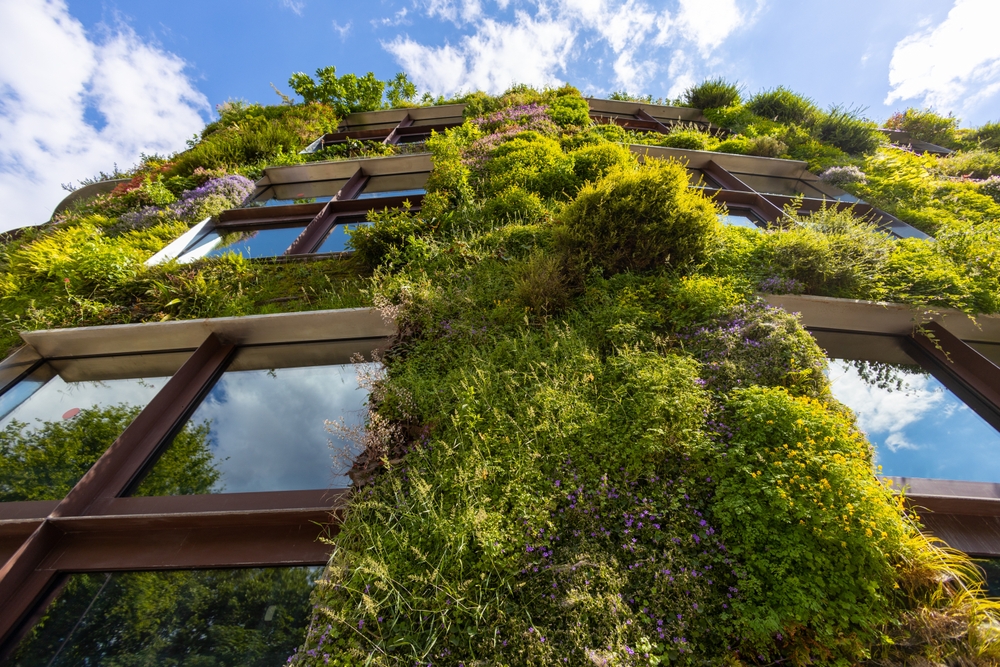
A green facade is like nature's carpet draped over a building, turning bare walls into lush, vibrant canvases. Unlike indoor vertical gardens or green walls, green facades use climbing plants—like ivy, ferns, or flowering vines—that grow directly on or near a building. Over time, they create an exterior layer of greenery that adapts to the structure's surface.
With climate change and urbanization on the rise, architects and city planners are rethinking how to bring more nature into our lives. Green facades aren't just beautiful; they’re practical. They reduce the heat a building absorbs, purify the air, and even provide a bit of natural insulation. Plus, they’re often cheaper and more eco-friendly than other building modifications, like re-painting or installing additional air conditioning.
Think of a green facade as a natural blanket for your building. Plants absorb heat, which keeps the building cooler in the summer. This can significantly reduce energy bills as it minimizes the need for air conditioning.
Plants are like nature’s air purifiers. They absorb pollutants and emit oxygen, making the air cleaner and fresher. Not to mention, they provide a much-needed oasis for city-dwelling birds and insects, contributing to urban biodiversity.
Who doesn’t love a splash of green in the middle of a concrete jungle? Green facades have been shown to boost mental health by reducing stress and improving mood. Plus, they add beauty and value to any structure.
Green facades can be categorized into several systems, each suited to different building styles and purposes. Let’s explore the main ones:
In direct systems, plants grow directly on the building’s exterior walls, usually without any support systems. Think of ivy-covered walls; the plants cling directly to the structure, creating a beautiful, old-world charm.
An indirect green facade involves a support structure, like a trellis or a cable system, which is installed a short distance from the wall. This prevents the plant’s roots and branches from damaging the building.
Hybrid green facades use both direct and indirect techniques. They combine plants that grow directly on the wall with those supported by trellises or cables.
Thinking about installing a green facade? Here’s a step-by-step guide:
Not every building is suitable for a green facade. Assess the weight capacity of the walls and check for any water-related risks, as green facades can add moisture over time.
The choice of plants can make or break your project. For a low-maintenance option, go with hardy climbers like ivy or honeysuckle. If you want flowers, consider clematis or jasmine, but be prepared for seasonal changes.
If you’re opting for an indirect or hybrid system, design the right support structure. Materials like stainless steel and treated wood are durable and weather-resistant.
Plants need water, but excess moisture can damage the building. Plan an irrigation system that delivers just enough water without creating a soggy mess. Automatic drip systems work well for most facades.
Green facades are beautiful but they do need some TLC. Here are a few tips to keep yours thriving:
Here are some iconic green facades that have inspired architects and eco-warriors alike:
As cities become more crowded and green space becomes scarce, green facades offer a promising solution. They don’t just beautify buildings; they play a crucial role in urban climate adaptation, reducing pollution, and supporting biodiversity.
Imagine a future where every city block has its own micro-forest, cooling buildings and providing fresh air. Green facades might just make that a reality!
1. Do green facades require a lot of maintenance?
Not necessarily. Low-maintenance plants like ivy need only occasional trimming and irrigation. But, flowering facades may need a bit more care.
2. Can I add a green facade to my house?
Yes! Many residential buildings, especially standalone homes, can support a green facade. Consult an expert to assess wall strength and get advice on plant selection.
3. What’s the lifespan of a green facade?
With proper care, a green facade can last decades. However, some structures may need occasional repairs or updates to their support systems.
Green facades are more than just a trend—they’re a sustainable, beautiful solution to many urban challenges. So, if you’re planning a building project, considering an upgrade, or just want to add a splash of green to your life, why not go vertical? It’s a step toward a greener, cooler, and healthier world.
Let’s make every wall a part of nature’s masterpiece! 🌿