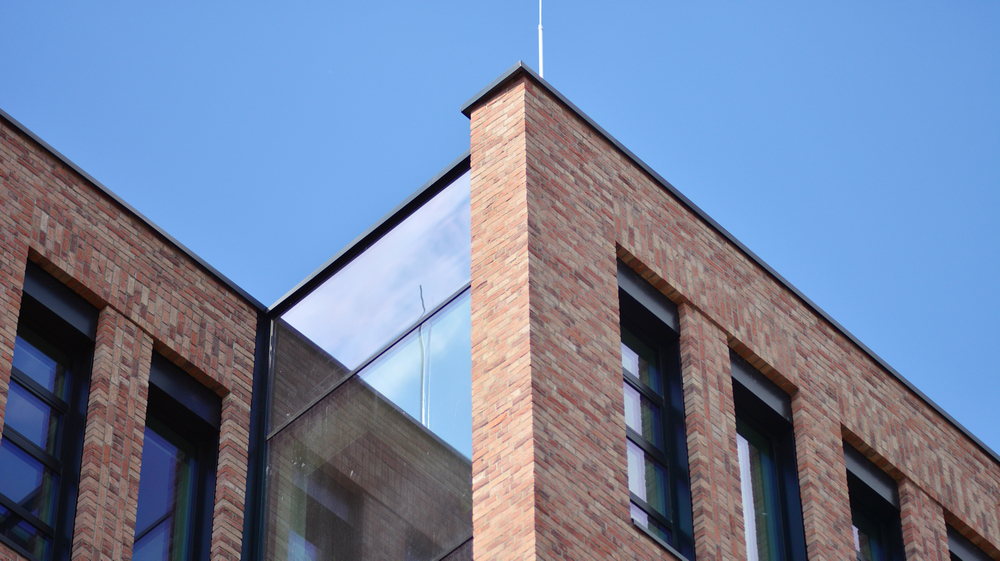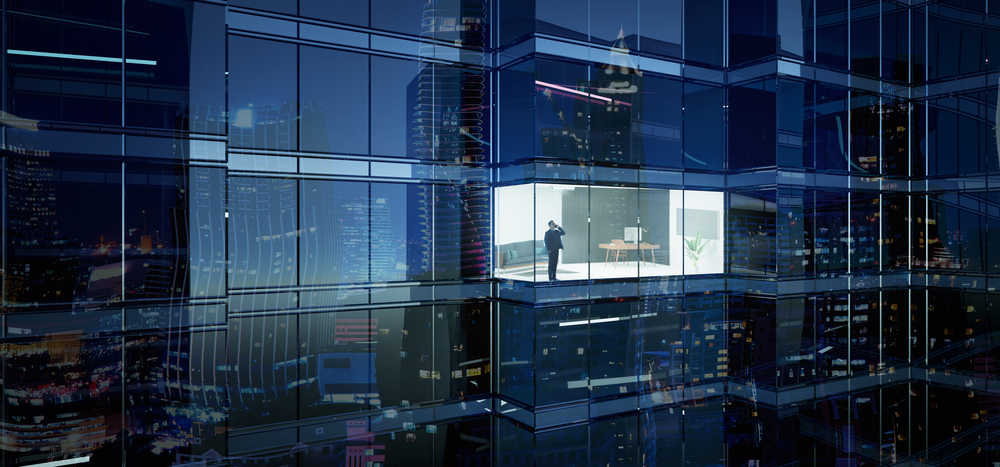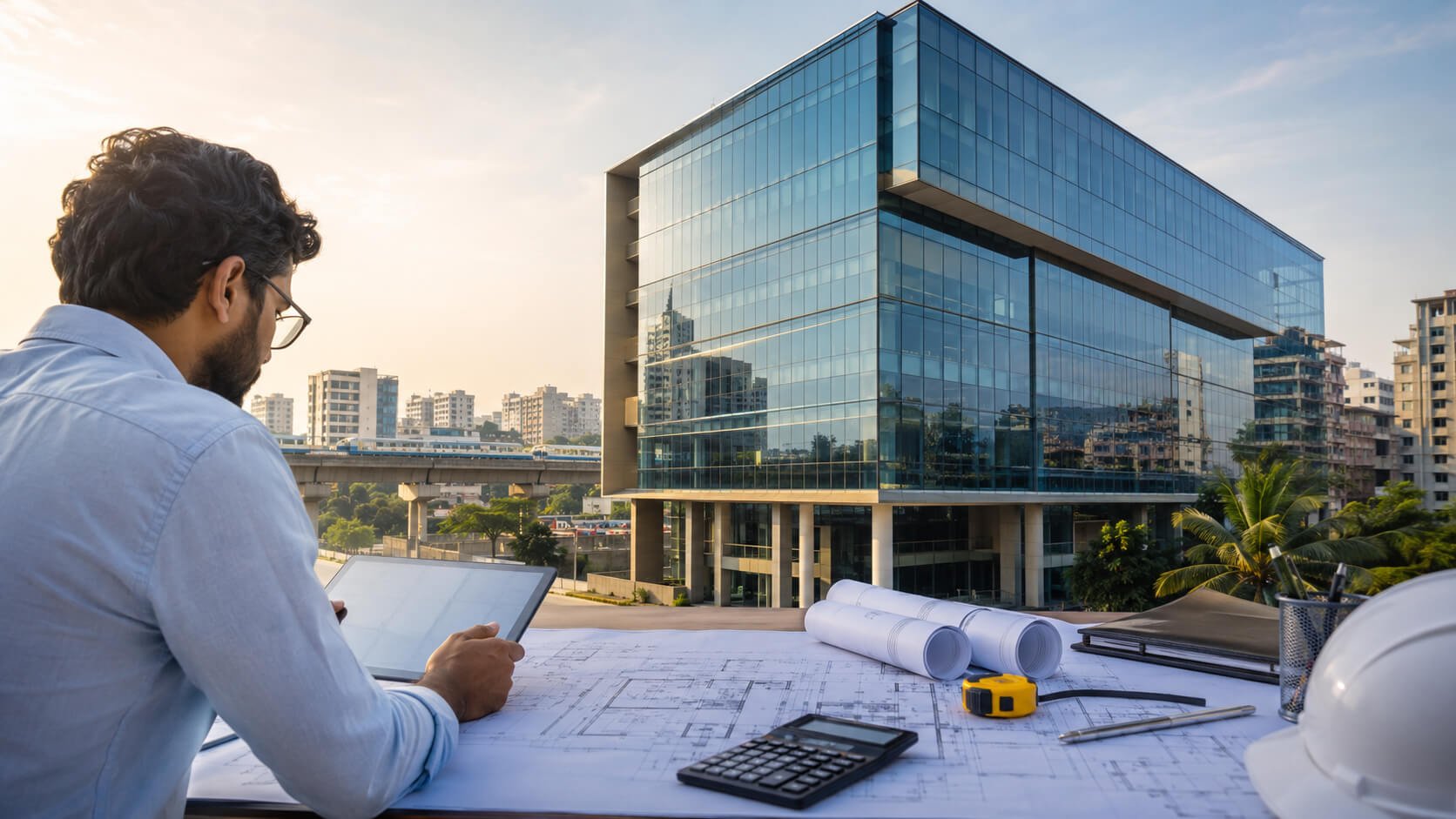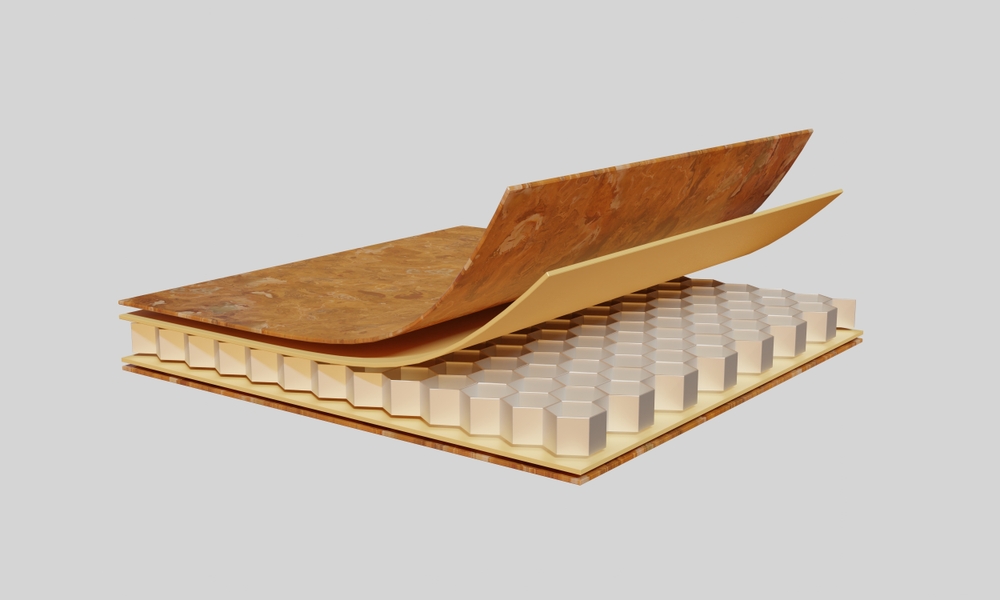
A glass facade section refers to the exterior layer of a building that is primarily composed of glass. This architectural element serves both functional and aesthetic purposes, providing a protective barrier while allowing natural light to permeate the interior spaces. Glass facades can be found in various forms, including curtain walls, storefronts, and skylights, and they are integral to modern architectural design.
The importance of glass facades in contemporary architecture cannot be overstated. They not only enhance the visual appeal of buildings but also contribute significantly to energy efficiency and sustainability. By utilizing advanced glazing technologies, architects can create structures that are not only beautiful but also environmentally responsible.
The use of glass in architecture dates back to ancient times, but the concept of glass facade sections as we know them today began to take shape during the Industrial Revolution. The use of glass in architecture dates back centuries, with its earliest applications seen in the Roman Empire, where it was primarily used in windows. However, the modern concept of glass facades began to take shape during the Industrial Revolution. Advances in glass manufacturing allowed for larger and stronger panes, paving the way for more ambitious architectural designs.
One of the pivotal moments in the history of glass facades was the construction of the Crystal Palace in 1851, designed by Sir Joseph Paxton. This structure showcased the possibilities of glass as a primary building material, leading to the widespread adoption of glass in architectural designs. Over the years, glass facades have evolved from simple window designs to complex systems integrating various materials and technologies, reflecting changes in architectural styles and building technologies.
Glass facades are renowned for their aesthetic benefits. They create a sense of openness and transparency, allowing natural light to flood interior spaces. This not only enhances the ambiance of the building but also reduces the reliance on artificial lighting, leading to energy savings. The sleek and modern appearance of glass facades can significantly enhance a building's visual impact, making it stand out in urban landscapes.
Furthermore, glass facades can be designed to reflect the surrounding environment, creating a dynamic interplay between the building and its context. This ability to integrate with the environment adds to the architectural narrative of the structure, making it a favored choice among architects.
In the context of sustainable building design, glass facades play a crucial role. Modern glass types, such as Low-E (low emissivity) glass, are designed to minimize heat transfer, contributing to the overall energy efficiency of the building. These energy-efficient glass options help maintain comfortable indoor temperatures, reducing the need for heating and cooling systems.
Moreover, the incorporation of double or triple glazing in glass facades enhances thermal insulation, further improving energy performance. This focus on energy efficiency aligns with the growing demand for sustainable building practices, making glass facades an attractive option for environmentally conscious developers.
Glass facades offer remarkable architectural flexibility, allowing for diverse design possibilities. They can be integrated with various materials, such as steel and aluminum, to create unique and innovative structures. This versatility enables architects to explore different forms and configurations, resulting in buildings that are not only functional but also visually striking.
The adaptability of glass facades extends to their application in various building types, from commercial skyscrapers to residential complexes. This flexibility makes them a preferred choice in modern architecture, where creativity and innovation are paramount.
The selection of glass types is critical in the design of a glass facade system. Common options include:
When selecting the appropriate glass type, factors such as thermal performance, safety requirements, and aesthetic considerations must be taken into account.
The framing system is another essential component of glass facades. Common materials used for framing include aluminum and steel, both of which offer durability and strength.
Framing systems can be categorized into:
Thermal insulation is vital in glass facade design to ensure energy efficiency and occupant comfort. The use of thermal breaks in framing systems helps minimize heat transfer, while insulated glass units enhance overall thermal performance.
Acoustic performance is also a consideration in glass facade design. Laminated glass can significantly reduce noise transmission, making buildings more comfortable for occupants in urban environments.
Ensuring the structural integrity of a glass facade involves careful consideration of load-bearing capacities. Factors such as wind loads, dead loads, and live loads must be calculated during the design phase. Structural analysis is crucial to determine how these loads will affect the facade and to ensure that the materials used can withstand them.
Support systems are critical in maintaining the stability of glass facades. Common types include:
Brackets, anchors, and connectors play essential roles in securing the glass panels and ensuring their stability under various load conditions.
Safety is paramount in glass facade design. The use of safety glass, which is designed to minimize the risk of breakage, is essential. Additionally, incorporating safety features such as spider fittings and bolted assemblies can enhance the structural integrity and safety of the facade.
Weatherproofing is a significant challenge in glass facade design. Ensuring that the facade is sealed and waterproof is crucial to prevent leaks and water ingress. Techniques such as using silicone sealants and gaskets are commonly employed to achieve water-tightness.
Glass and its framing materials can expand and contract with temperature changes, which can lead to stress and potential failure. Design considerations must accommodate thermal movement, ensuring that the facade remains stable under varying conditions.
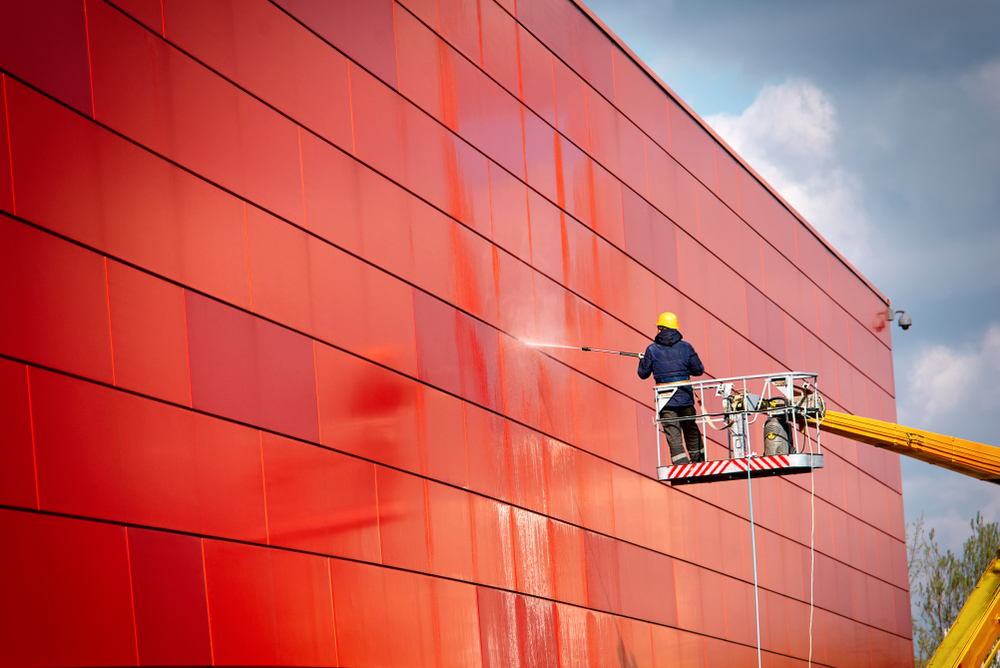
Maintaining glass facades requires regular cleaning and inspections to ensure their longevity. Factors such as environmental exposure and the quality of materials used can affect the expected lifespan of the facade. Developing strategies for maintenance is essential to prolong the durability of glass facades.
The type of glass used in a facade significantly impacts the building's energy performance. For example, double glazing can reduce heating and cooling loads, contributing to overall energy efficiency. Coatings such as Low-E glass can further enhance thermal performance by reflecting heat while allowing natural light to enter.
Maximizing natural light through glass facades can improve occupant comfort and reduce energy consumption. However, uncontrolled glare can be an issue. Solutions such as fritted glass and shading devices can help manage glare while still allowing for ample daylighting.
UV-resistant coatings are essential in glass facades to protect interior furnishings and enhance occupant comfort. These coatings can significantly reduce UV radiation penetration, minimizing damage to materials and improving the overall indoor environment.
Compliance with building codes and standards is crucial in the design and installation of glass facades. Relevant codes, such as ASTM and EN standards, provide guidelines for safety, performance, and durability.
Meeting thermal performance standards, including U-value and solar heat gain coefficient (SHGC) requirements, is essential for energy-efficient designs. Simulations can be used to ensure compliance with these standards during the design phase.
Safety regulations govern the installation of glass facades, focusing on impact resistance and breakage safety. Adhering to these guidelines is vital to ensure occupant safety and minimize risks associated with glass breakage.
Numerous iconic buildings around the world showcase the successful application of glass facades. Notable examples include:
From these projects, several lessons can be drawn regarding the challenges and innovations in glass facade design. Issues such as weatherproofing, structural integrity, and energy efficiency have been addressed through advanced technologies and design strategies, setting benchmarks for future projects.
The thickness of glass can influence its strength, thermal insulation properties, and sound insulation capabilities. Thicker glass typically offers better performance in these areas but may also increase weight and installation complexity.
Regular cleaning with appropriate solutions and tools is essential for maintaining the clarity and appearance of glass facades. It is advisable to use non-abrasive cleaners and soft cloths to prevent scratches.
Yes, glass facades can contribute to LEED certification by enhancing energy efficiency, promoting daylighting, and utilizing sustainable materials. Compliance with specific LEED criteria can significantly enhance a building's sustainability profile.
While high-performance glass can be more expensive than standard options, the long-term energy savings and reduced operational costs often justify the initial investment. Additionally, the aesthetic and functional benefits can enhance property value.
In summary, glass facades are a vital component of modern architecture, offering aesthetic appeal, energy efficiency, and architectural flexibility. Understanding the key components, structural integrity considerations, and challenges associated with glass facades is essential for successful design and implementation.
The future of glass facade technology is promising, with innovations such as smart glass, photovoltaic glazing, and advanced coatings paving the way for more sustainable and responsive building designs. These advancements will continue to shape the architectural landscape.
Careful planning and execution are crucial in glass facade projects. By addressing the challenges and leveraging the benefits of glass facades, architects and builders can create stunning and functional structures that enhance the built environment.