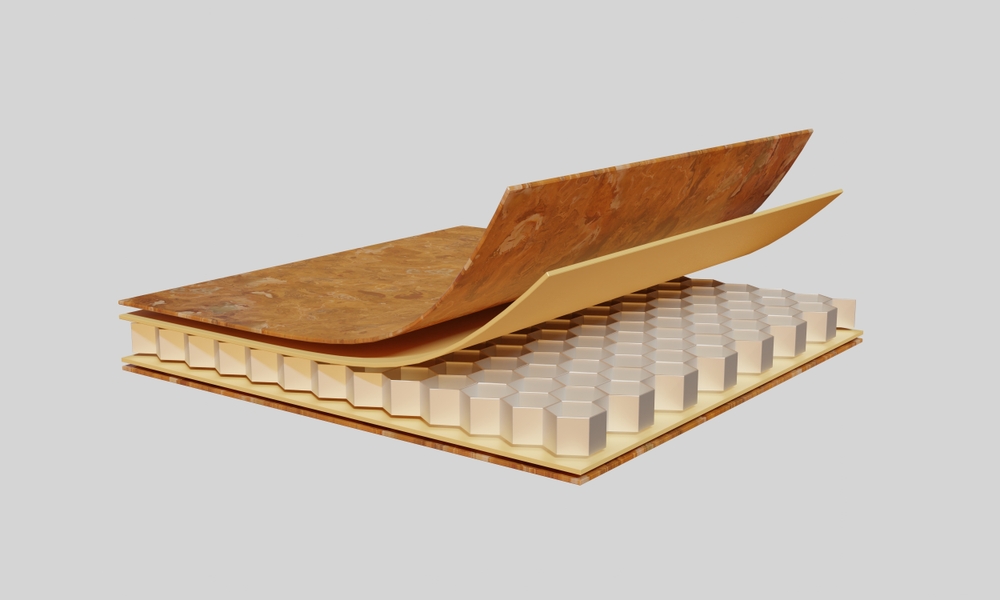
Facade fins are revolutionary architectural elements that have transformed modern building design. These vertical or horizontal projections, attached to a building's exterior, serve multiple purposes beyond mere aesthetics. From improving energy efficiency to enhancing visual appeal, facade fins have become an integral part of contemporary architecture.
In this comprehensive guide, we'll explore the world of facade fins, their benefits, types, installation processes, and much more. Whether you're an architect, building owner, or simply interested in innovative design solutions, this article will provide valuable insights into the versatile world of facade fins.
Facade fins are architectural features that protrude from a building's exterior surface. These elements can be:
Their primary functions include:
Facade fins have come a long way since their inception. Let's take a brief look at their evolution:
| Era | Characteristics |
| Early 20th century | Simple, functional designs primarily for shading |
| Mid-20th century | Incorporation of modernist principles, emphasis on form |
| Late 20th century | Integration with sustainable design practices |
| 21st century | Advanced materials and smart technologies |
Facade fins come in various types, each offering unique advantages. Let's explore the most common types:
Metal fins, typically made of aluminum or steel, are popular for their:
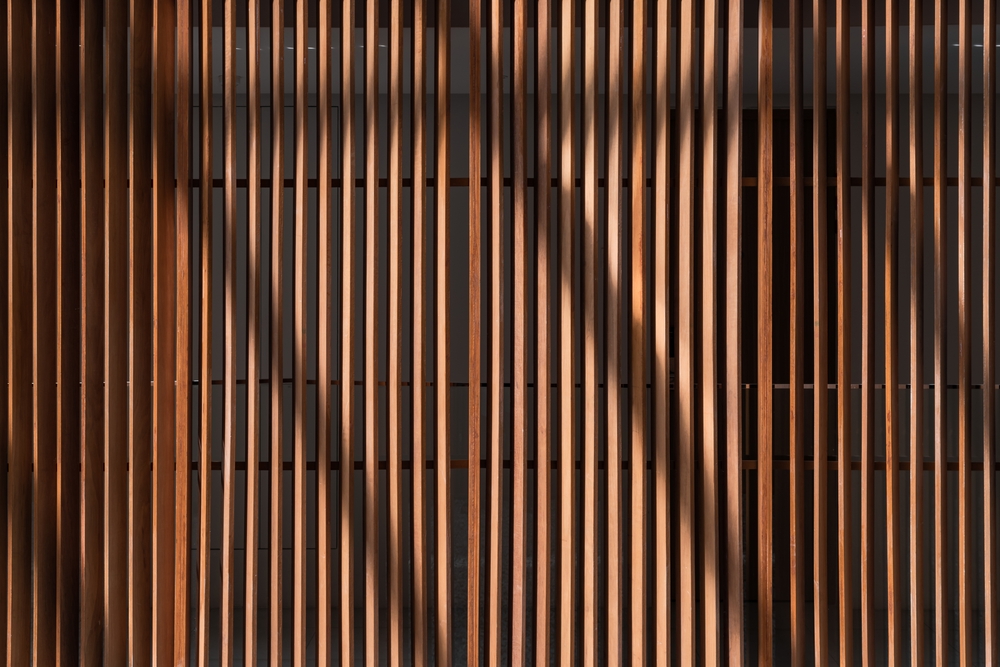
Timber fins offer a natural, warm aesthetic and are favored for:
These fins combine materials like wood, metal, and plastics, offering:
Glass fins add elegance to buildings while:
Facade fins offer numerous advantages to buildings and their occupants. Let's delve into the key benefits:
To maximize the effectiveness of facade fins, several design factors must be considered:
The orientation of facade fins is crucial for optimal performance:
The gap between fins affects:
Choosing the right material impacts:
Installing facade fins involves several key steps to ensure optimal performance and integration with the building design.
Facade fins play a significant role in sustainable building design:
The world of facade fins continues to evolve. Here are some exciting trends to watch:
While facade fins offer numerous benefits, there are some challenges to consider:
Facade fins have revolutionized building design, offering a perfect blend of form and function. As we move towards more sustainable and energy-efficient architecture, the role of facade fins will only grow in importance.
By providing effective sun shading, enhancing privacy, improving energy efficiency, and adding aesthetic value, facade fins have become an indispensable tool in the architect's arsenal. Whether you're designing a new building or retrofitting an existing one, considering the implementation of facade fins can lead to significant improvements in both performance and appearance.
As technology advances and new materials emerge, we can expect even more innovative applications of facade fins in the future. From smart, adaptive systems to integrated renewable energy solutions, the potential for facade fins to shape the buildings of tomorrow is truly exciting.
By embracing the benefits of facade fins and carefully considering their design and implementation, architects, builders, and building owners can create structures that are not only visually striking but also highly efficient and comfortable for occupants. The future of architecture is bright, and facade fins are undoubtedly playing a shining role in shaping that future.