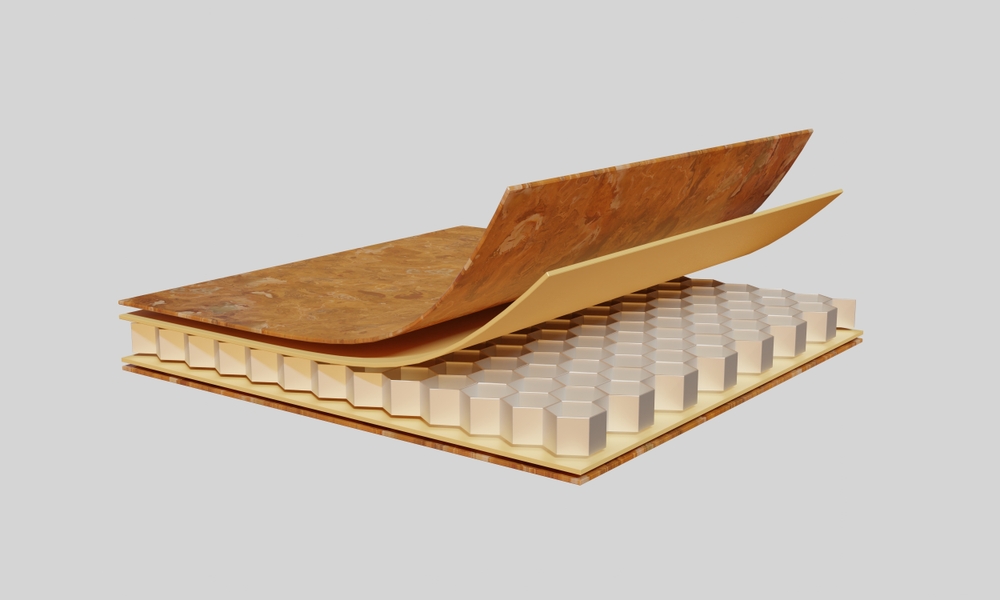
Facade Cladding Systems: The Ultimate Guide to Modern Building Envelopes
Facade cladding systems have revolutionized the way we approach building design and construction. These innovative solutions not only enhance the aesthetic appeal of structures but also provide crucial functional benefits. In this comprehensive guide, we'll explore the world of facade cladding systems, their types, benefits, and best practices for implementation.
Understanding Facade Cladding Systems
Facade cladding systems involve the application of one material over another to create a protective and decorative skin for buildings. This technique has gained popularity in modern architecture due to its versatility and effectiveness in improving building performance.
Key Components of Facade Cladding Systems
Cladding material
Insulation layer
Vapor barrier
Supporting structure
Fastening system
Types of Facade Cladding Systems
There are several types of facade cladding systems, each with its unique characteristics and applications:
Ventilated Facades
Non-Ventilated Facades
Rainscreen Cladding
Curtain Wall Systems
Structural Glazing
Materials Used in Facade Cladding Systems
The choice of material plays a crucial role in the performance and appearance of facade cladding systems. Here's a detailed look at some popular options:
Material
Advantages
Disadvantages
Metal (Aluminum, Steel, Copper)
Durability, modern appearance, low maintenance
Can be expensive, potential for thermal expansion
Wood
Natural aesthetics, good insulation
Requires regular maintenance, susceptible to weathering
Stone
Elegant appearance, longevity
Heavy, expensive, limited design flexibility
Ceramic
Versatile designs, durability
Can be brittle, higher installation costs
Composite
Cost-effective, versatile, lightweight
May have lower fire resistance, potential for delamination
Emerging Trends in Facade Cladding Materials
Photovoltaic cladding for energy generation
Self-cleaning surfaces
Biomimetic materials inspired by nature
Smart materials that respond to environmental conditions
Benefits of Implementing Facade Cladding Systems
Facade cladding systems offer numerous advantages for both new constructions and renovations:
Enhanced Aesthetics: Cladding can dramatically transform the appearance of a building, giving it a modern and stylish look.
Weather Protection: Acts as a shield against rain, wind, and sun, protecting the underlying structure from environmental damage.
Improved Energy Efficiency: Proper insulation and ventilation in cladding systems can significantly reduce heating and cooling costs.
Acoustic Insulation: Many cladding materials help reduce noise transmission from the outside environment.
Increased Durability: By protecting the building's core structure, cladding systems extend the overall lifespan of the building.
Low Maintenance: Many modern cladding materials require minimal upkeep, reducing long-term costs.
Sustainability: Some cladding materials are recyclable and contribute to green building practices.
The Facade Cladding System Process
Implementing a successful facade cladding system involves several key steps:
1. Design and Planning
Assess the building's architectural style and desired aesthetic effect
Choose suitable cladding materials based on location, climate, and functional requirements
Develop detailed plans and drawings
2. Material Selection
Consider properties such as durability, maintenance needs, and cost
Ensure materials meet local building codes and environmental standards
Source high-quality materials from reputable suppliers
To maximize the benefits of facade cladding systems, consider the following best practices:
Proper Ventilation: Ensure adequate air circulation to prevent moisture buildup and improve thermal performance.
Expansion Joints: Allow for thermal expansion and contraction of materials to prevent warping or cracking.
Water Management: Implement effective drainage systems to direct water away from the building envelope.
Fire Safety: Choose materials and designs that meet or exceed local fire safety regulations.
Sustainability: Opt for eco-friendly materials and consider the entire lifecycle of the cladding system.
Case Studies: Successful Implementation of Facade Cladding Systems
Modern Office Building in Urban Setting
Challenge: Create an energy-efficient, visually striking office building in a busy city center.
Solution:
Material: Aluminum composite panels with a ventilated facade system
Design: Sleek, minimalist aesthetic with integrated solar shading
Result: 30% reduction in energy costs, improved indoor comfort, and a landmark addition to the cityscape
Historical Building Renovation
Challenge: Upgrade a 19th-century structure while preserving its character.
Solution:
Material: Custom-fabricated terracotta tiles matching the original facade
Design: Rainscreen cladding system to improve insulation without altering the building's appearance
Result: Preserved historical integrity while achieving modern energy efficiency standards
The Future of Facade Cladding Systems
As technology advances, we can expect to see exciting developments in facade cladding systems:
Smart Facades: Integration of sensors and adaptive materials for optimized performance
3D-Printed Cladding: Custom, complex designs produced on-site
Bio-Based Materials: Sustainable options derived from renewable resources
Augmented Reality in Design: Enhanced visualization and planning tools for architects and clients
Conclusion: The Impact of Facade Cladding Systems on Modern Architecture
Facade cladding systems have become an integral part of contemporary building design, offering a perfect blend of form and function. By enhancing aesthetics, improving energy efficiency, and extending building lifespans, these systems are shaping the future of sustainable architecture.
As we continue to face environmental challenges and push the boundaries of design, facade cladding systems will play an increasingly important role in creating buildings that are not only beautiful but also resilient and efficient.
Whether you're an architect, developer, or property owner, understanding the potential of facade cladding systems is crucial for staying ahead in the ever-evolving world of construction and design. By embracing these innovative solutions, we can create buildings that stand the test of time while meeting the demands of a rapidly changing world.