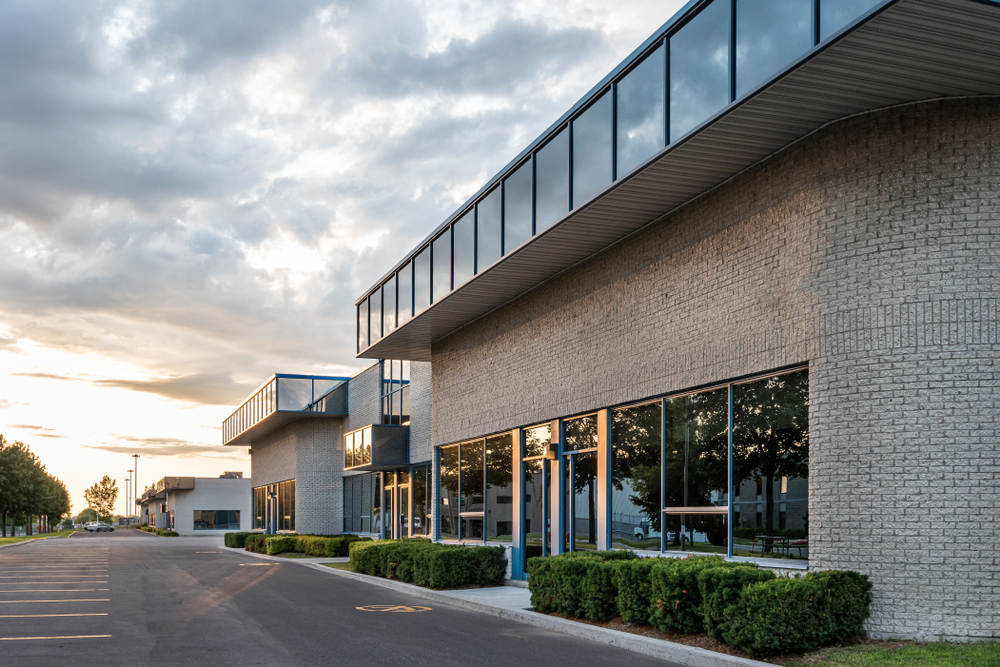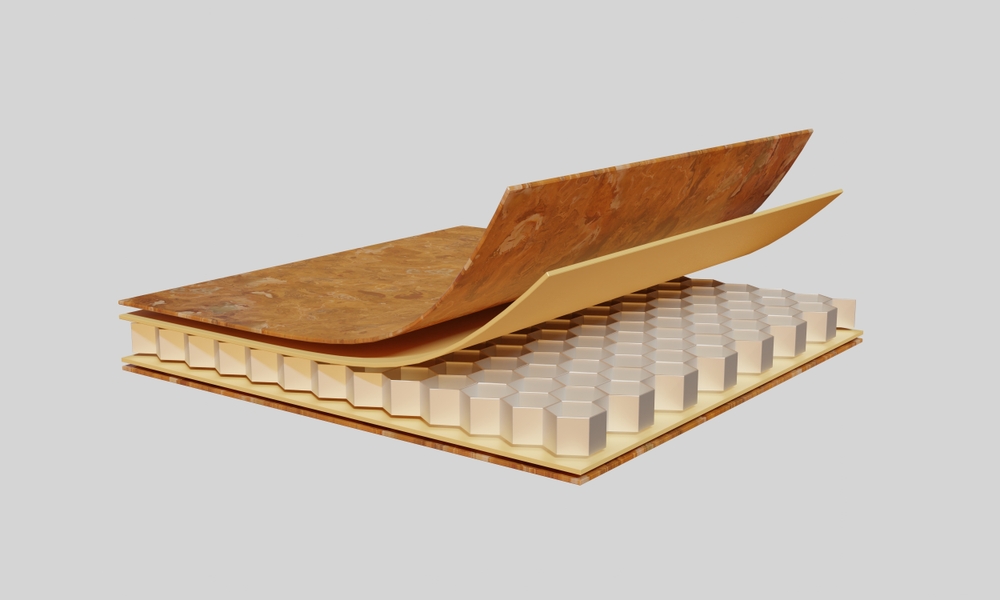
The term "exterior facade" refers to the outer face of a building, encompassing all the elements that define its external appearance. In architecture, the facade is not merely a decorative layer; it serves multiple critical functions that contribute to the building's performance, aesthetics, and overall identity. Understanding the importance of an exterior facade is essential for architects, builders, and property owners alike.
In architectural terms, an exterior facade is the visible front of a building, which can include walls, windows, doors, and other elements that contribute to its overall design. The facade acts as a protective barrier against environmental elements such as wind, rain, and temperature fluctuations, thereby ensuring the longevity of the structure.
The significance of a facade extends beyond mere protection. It plays a vital role in defining the building's character and identity. A well-designed facade can enhance the aesthetic appeal of a structure, making it more attractive to occupants and passersby. Moreover, the facade can influence the building's energy efficiency, ventilation, and acoustic performance, making it a crucial aspect of modern architectural design.
Understanding the various types of exterior facades is essential for selecting the right design and materials for a building. Each type offers unique benefits and applications.
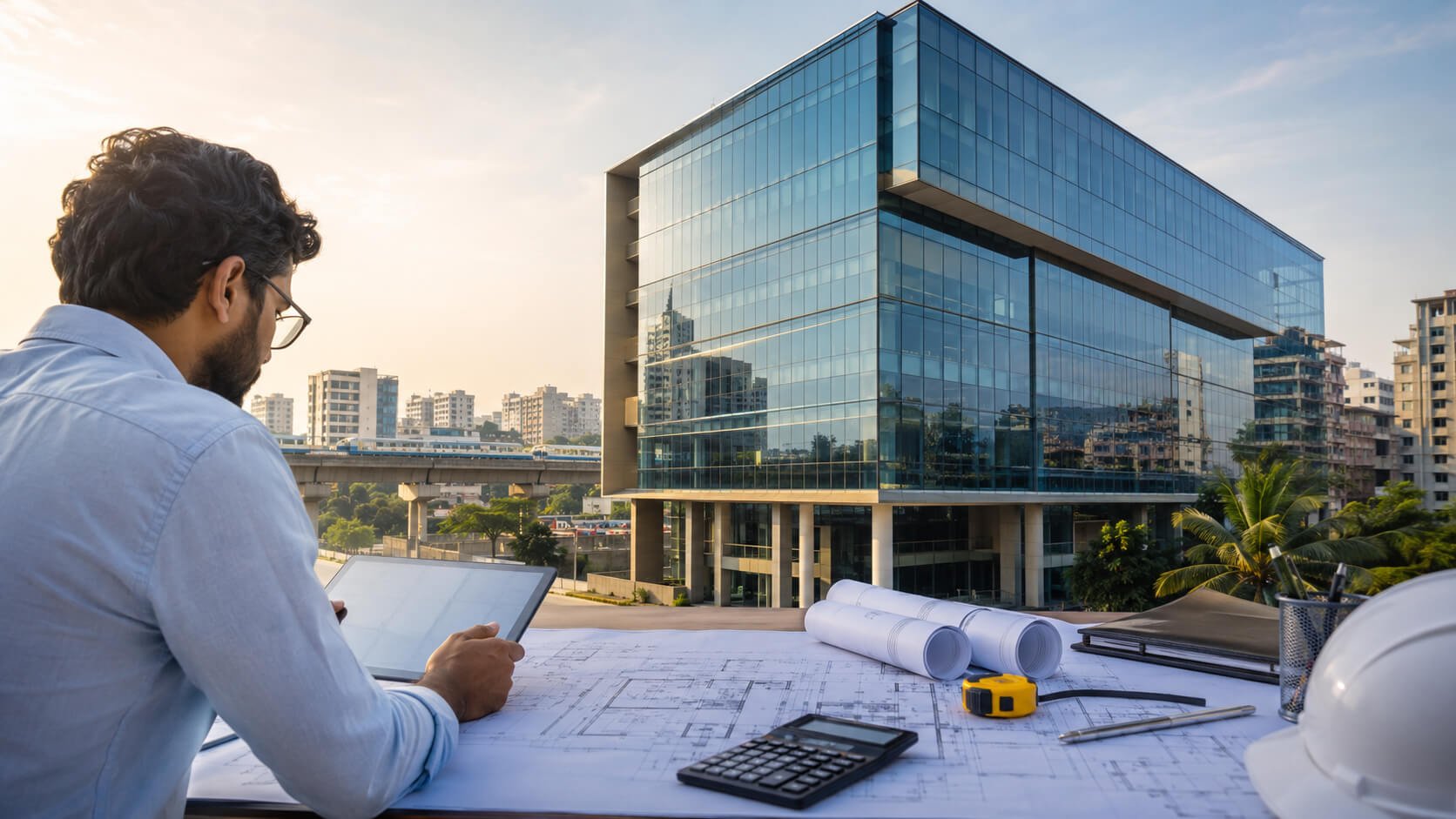
A curtain wall system is a non-structural outer covering of a building that is typically made of lightweight materials such as glass and aluminum. This type of facade is designed to resist air and water infiltration while allowing for natural light to penetrate the interior spaces. Curtain walls are commonly used in high-rise buildings and commercial structures due to their aesthetic appeal and ability to create open, airy environments.
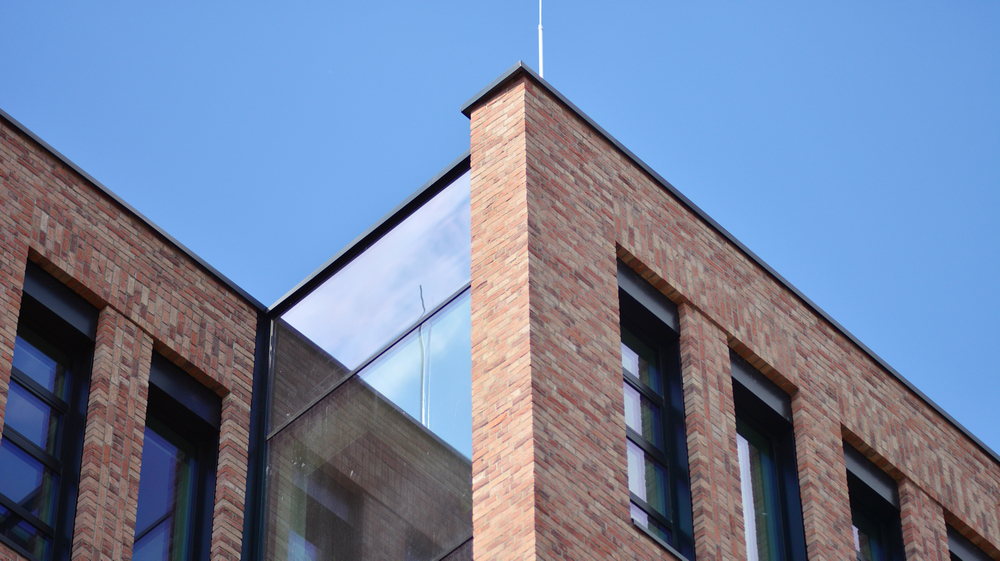
Load-bearing facades are integral to the structural integrity of a building. Unlike curtain walls, these facades support the weight of the building above them. They are typically constructed from materials such as brick, stone, or concrete, which provide the necessary strength and durability. Load-bearing facades are essential in traditional construction methods and are often seen in residential buildings.
Double-skin facades consist of two layers of walls with an air space in between. This design enhances energy efficiency by providing insulation and reducing heat loss. The air gap can also facilitate natural ventilation, improving indoor air quality. Double-skin facades are increasingly popular in modern architecture, particularly in energy-efficient and sustainable building designs.
The exterior facade significantly contributes to a building's visual identity. It is often the first impression that visitors and occupants have of a structure, making it essential for architects to consider aesthetics during the design process.
Facades can be constructed from various materials, including glass, brick, metal, and stone. Each material offers distinct aesthetic qualities and can be used to create different architectural styles. For instance, glass facades provide a sleek, modern look, while brick facades evoke a sense of tradition and permanence. The choice of materials and design elements can greatly influence how a building is perceived and its overall market value.
The choice of materials for an exterior facade is critical to its performance, durability, and aesthetic appeal. Various materials are commonly used in facade construction, each with its unique properties.
Glass facades are increasingly popular in contemporary architecture due to their ability to maximize natural light and create open, inviting spaces. The advantages of using glass include:
However, there are potential drawbacks to consider. Glass facades can pose challenges related to thermal performance, as they may lead to increased heat gain during hot weather and heat loss in colder months. Proper design and the use of energy-efficient glazing can mitigate these issues.
Despite the rise of modern materials, brick remains a popular choice for exterior facades due to its durability and aesthetic appeal. The benefits of brick facades include:
Brick's ability to integrate with modern design elements allows architects to create unique and visually striking buildings that maintain a sense of tradition.
Metals such as aluminum and steel are commonly used in facade construction due to their strength and versatility. The benefits of metal facades include:
Metal can also be used in various finishes and colors, allowing for creative expression in facade design.
Natural stone is often used in traditional and luxury facades due to its timeless appeal and durability. The use of stone in facade design offers several advantages:
However, the environmental impact of quarrying and transporting stone should be considered, as it may contribute to carbon emissions.
The design and materials used in exterior facades play a crucial role in determining a building's overall performance. Key aspects include energy efficiency, sound insulation, and safety considerations.
Facade design significantly affects a building's energy consumption. A well-designed facade can enhance thermal insulation, reducing the need for heating and cooling. Key factors include:
The role of facades in green building certifications is also notable, as energy-efficient designs contribute to sustainability goals.
Noise pollution can be a significant concern in urban areas, making sound insulation a critical aspect of facade design. Effective facades can reduce external noise levels, creating a more comfortable indoor environment. Techniques include:
Safety is a paramount concern in facade design. Key considerations include:
Proper design and material selection can mitigate risks associated with facade failure, ensuring the safety of the building and its occupants.
The field of facade design is constantly evolving, with new trends emerging to meet the demands of modern architecture. Key trends include sustainability, smart technology, and innovative designs.
Sustainability has become a driving force in facade design, with architects increasingly opting for eco-friendly materials and energy-efficient solutions. Trends include:
The increasing demand for sustainable architecture reflects a broader commitment to environmental responsibility in the construction industry.
Smart facades integrate technology to enhance building performance and occupant comfort. Features may include:
Examples of buildings utilizing smart facades demonstrate the potential for technology to revolutionize architectural design.
Innovation in facade design is pushing the boundaries of architecture. Unique designs from around the world showcase creativity and functionality. Notable examples include:
The role of creativity in facade design is essential for developing structures that are not only functional but also visually striking.
The lifespan of an exterior facade depends on several factors, including the materials used, environmental conditions, and maintenance practices. Generally, well-maintained facades can last several decades, with some materials like brick and stone lasting over 50 years.
The cost of installing an exterior facade varies widely based on the materials chosen, design complexity, and local labor rates. On average, facade installation can range from $50 to $200 per square foot, depending on the specifications.
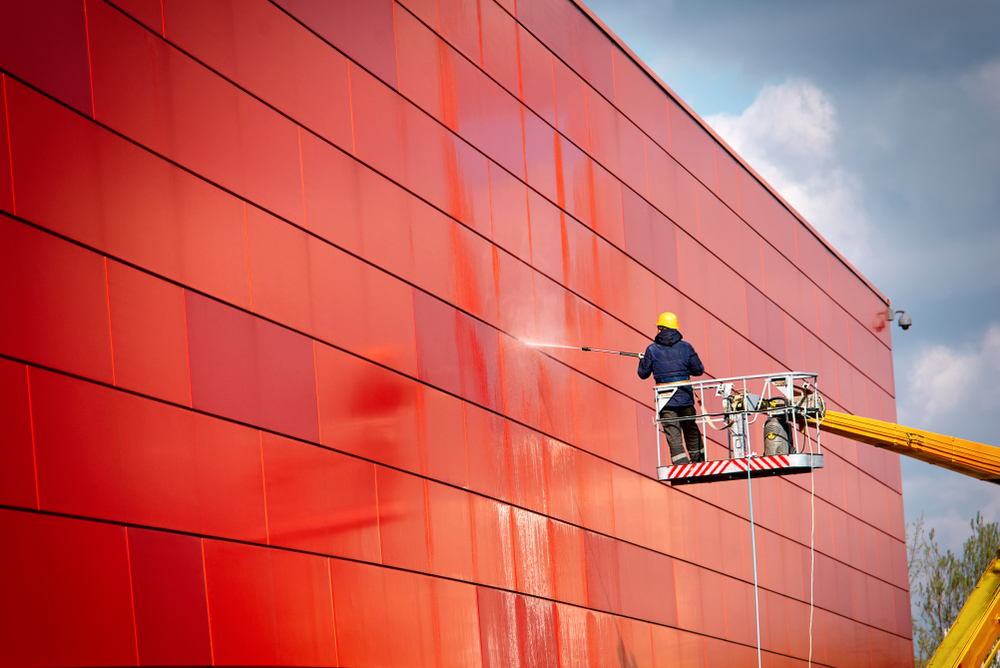
Routine maintenance is crucial for preserving the integrity and appearance of an exterior facade. Tips include:
In conclusion, the exterior facade is a vital component of building design, serving multiple functions that impact aesthetics, performance, and safety. By understanding the various types of facades, materials, and trends, architects and builders can create structures that are not only visually appealing but also functional and sustainable.