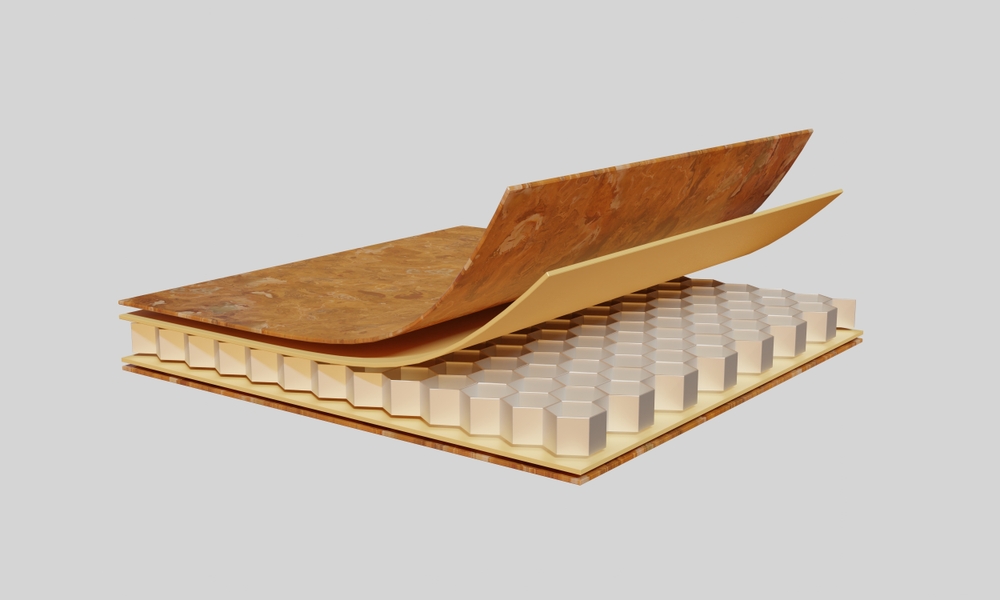
In the ever-evolving world of architecture, one trend is painting the urban landscape with excitement and creativity: colorful facades. These eye-catching building exteriors are transforming our cities, turning ordinary structures into extraordinary landmarks. Let's dive into the vibrant world of colorful facades and discover why they're making such a splash in modern architecture.
Gone are the days when buildings were content to blend into the background. Today's architects are using color to make bold statements, turning structures into works of art. But why the sudden explosion of colorful facades in our skylines?
Colors aren't just pretty; they're powerful communicators. Here's how different hues can affect our perception of a building:
| Color | Psychological Effect | Common Use in Facades |
| Red | Energy, excitement | Accent colors, cultural significance |
| Blue | Calm, trust | Corporate buildings, healthcare facilities |
| Green | Nature, growth | Eco-friendly buildings, parks |
| Yellow | Optimism, creativity | Schools, creative spaces |
| Purple | Luxury, mystery | High-end residential, boutique hotels |
Colorful facades are like fashion – trends come and go, but style is eternal. Let's explore what's turning heads in the world of architectural color:
Imagine a building dressed in sophisticated neutrals, then BAM! A splash of vibrant color catches your eye. This trend is all about balance – using earthy base tones with bold accents to create facades that are both grounded and exciting.
Why settle for one color when you can have them all? Gradient facades are like sunsets on buildings, smoothly transitioning from one hue to another. It's a trend that's adding depth and dynamism to cityscapes everywhere.
Colorful facades are getting touchy-feely. By combining different textures with colors, architects are creating buildings that beg to be looked at – and touched (though maybe ask permission first).
Green isn't just a color; it's a movement. Living walls and vertical gardens are bringing a whole new meaning to "colorful facade," blending architecture with nature in the most spectacular way.
A colorful facade is only as good as the materials it's made from. Let's break down the star players in the world of vibrant architecture:
Recycled metal panels are the superheroes of colorful facades. They're tough, eco-friendly, and come in more colors than a box of crayons. Plus, they can be shaped into all sorts of funky designs.
FSC-certified wood brings warmth and character to colorful facades. It's like nature's own paint palette, with each piece telling its own color story through grain and texture.
High-performance glass is getting a colorful makeover. With tints, films, and even color-changing technologies, glass facades are proving that transparency doesn't have to be boring.
Modern coating technologies are like a fountain of youth for colorful facades. These super-paints keep buildings looking fresh and vibrant, laughing in the face of weather and time.
Who says you can't be colorful and green at the same time? Colorful facades are leading the charge in sustainable design:
Colorful facades aren't just pretty; they're smart too. Many incorporate technologies that help regulate temperature and reduce energy consumption. It's like giving your building a stylish sweater that also happens to be a genius.
Vertical gardens and green walls are taking colorful facades to new heights (literally). These living masterpieces:
Let's take a world tour of some buildings that are nailing the colorful facade game:
This concert hall is like a chameleon made of glass. Its facade changes color throughout the day, reflecting the sky and water around it. It's proof that a colorful facade can be subtle and spectacular at the same time.
Imagine a skyscraper wearing a garden. This residential complex features cascading plants that create a living, breathing colorful facade. It's not just a building; it's a vertical forest in the heart of the city.
These twin towers feature a dynamic colorful facade that adapts to the sun's movement. Geometric patterns inspired by traditional Islamic designs open and close throughout the day, creating a ever-changing visual spectacle while also providing shade and energy efficiency.
As we look ahead, the world of colorful facades is set to get even more exciting. Here's what's on the horizon:
Imagine facades that change color based on temperature, light, or even the mood of the people inside. With advances in smart materials, this sci-fi dream is becoming a reality.
The future of colorful facades is all about individuality. We're talking about buildings that can be customized like your smartphone background, reflecting personal style or brand identity at the touch of a button.
Why stop at physical color? Future facades might incorporate augmented reality elements, allowing people to see different color schemes or even interactive displays through their devices.
Not everyone can commission a skyscraper, but that doesn't mean you can't join the colorful facade party. Here are some tips for adding a pop of color to your own space:
Colorful facades aren't just changing individual buildings; they're reshaping entire cities. Urban planners are now considering the role of color in creating vibrant, livable spaces:
Colorful facades can serve as landmarks, helping people navigate through cities more easily. Imagine giving directions like, "Turn left at the rainbow building!"
By using different color palettes, cities can give each neighborhood its own unique identity. It's like creating a patchwork quilt of communities, each with its own colorful character.
Colorful facades can transform dull public areas into vibrant gathering spots. A splash of color can turn a forgotten corner into the heart of the community.
While colorful facades offer numerous benefits, they also come with their own set of challenges:
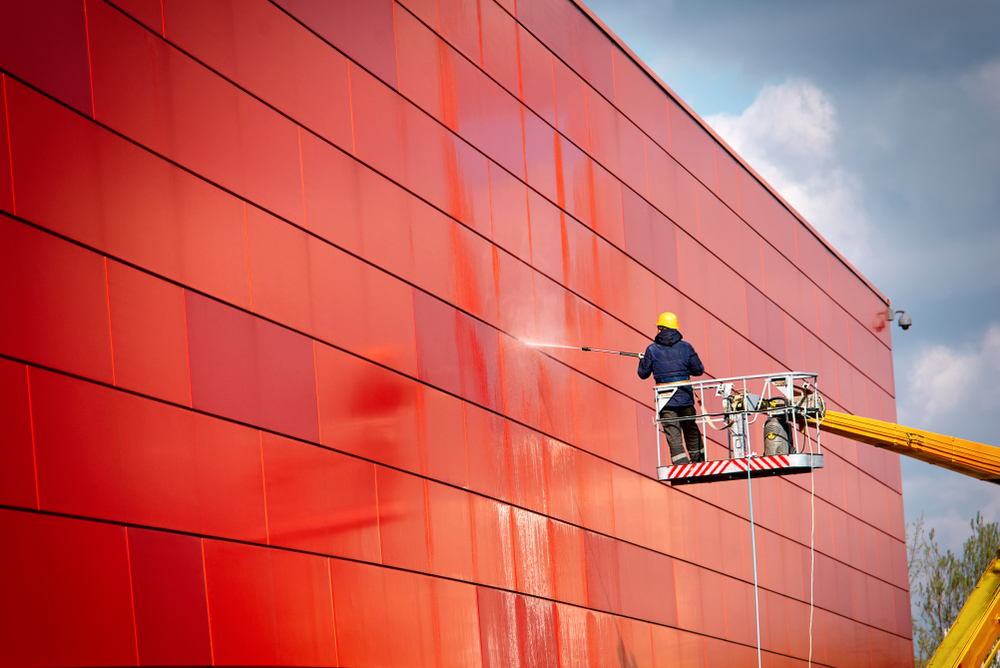
Keeping those vibrant colors looking fresh can be a challenge. Sun, rain, and pollution can all take their toll on colorful facades. Architects and building owners need to consider long-term maintenance when choosing materials and colors.
Colors can have different meanings in different cultures. What's cheerful in one context might be offensive in another. Designers need to be mindful of local color associations when creating colorful facades.
While a colorful facade can be a great way to stand out, it's important to consider how it fits into the surrounding environment. A neon pink building might look amazing on its own, but could clash horribly with its neighbors.
Technology is pushing the boundaries of what's possible with colorful facades:
Advanced printing technologies allow for intricate patterns and photorealistic images to be applied directly to facade materials. Imagine a building wrapped in a high-resolution forest scene or abstract artwork.
Thermochromic and photochromic materials can change color in response to temperature or light. These "smart" facades can adapt to their environment, providing both aesthetic appeal and functional benefits.
LED-embedded facades can turn buildings into giant interactive displays. From displaying art to showing real-time data, these facades blur the line between architecture and media.
Colorful facades are more than just a trend; they're a revolution in how we think about architecture and urban design. They're transforming our cities from monochrome monotony to vibrant, living canvases that reflect our cultures, values, and aspirations.
As we've seen, colorful facades offer benefits that go far beyond aesthetics. They can improve energy efficiency, support sustainability, express identity, and even boost our moods. In a world that sometimes feels increasingly gray, these bursts of color remind us of the joy, creativity, and diversity that make our communities unique.
The future of colorful facades is bright, with new materials, technologies, and design approaches constantly emerging. As architects and designers continue to push the boundaries of what's possible, we can look forward to cities that are not just functional, but truly inspiring.
So the next time you're out and about, take a moment to look up and appreciate the colorful facades around you. Who knows? You might just be inspired to add a little color to your own corner of the world. After all, in the grand painting of life, we're all part of one big, beautiful, colorful facade.