Aluminium Composite Panels (ACPs) are a marvel of modern construction and design. Their sleek, lightweight, and durable nature makes them a favorite in architectural cladding, signage, and creative projects. But here's a common question: Can you paint an Aluminium Composite Panel (ACP)?
The short answer is yes, but it’s not as straightforward as slapping on a coat of paint. It takes some elbow grease, the right materials, and proper technique to ensure a stunning and lasting finish. Let’s dive into the details and learn the how-to and why of painting ACPs.
Before we jump into the paint talk, let’s get acquainted with ACPs.
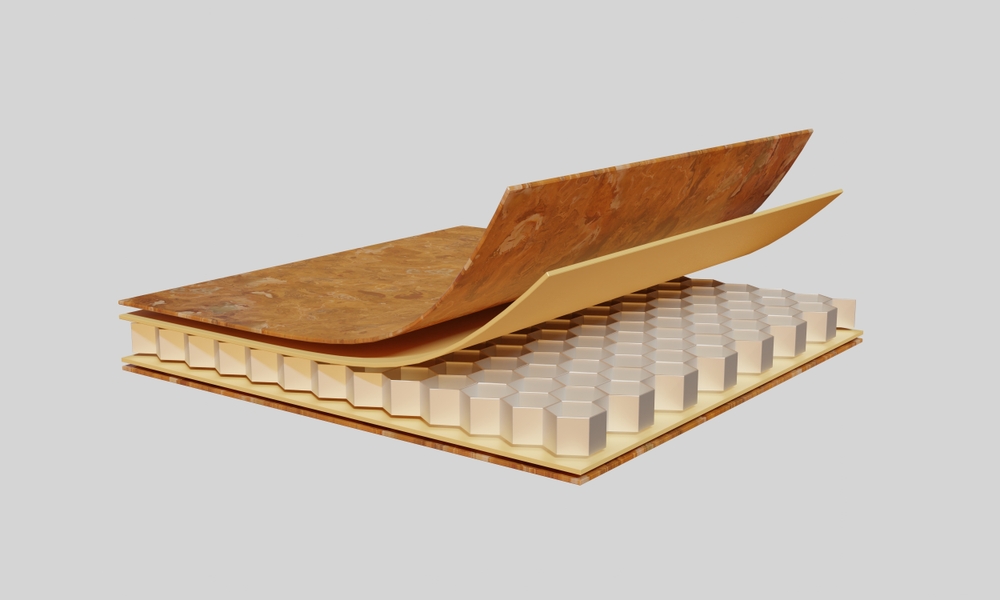
An Aluminium Composite Panel is a flat panel consisting of two thin aluminium sheets bonded to a non-aluminium core. This clever construction gives ACPs their lightweight yet sturdy characteristics. They’re widely used for:
What makes ACPs so popular?
So, why would anyone want to paint an already great material?
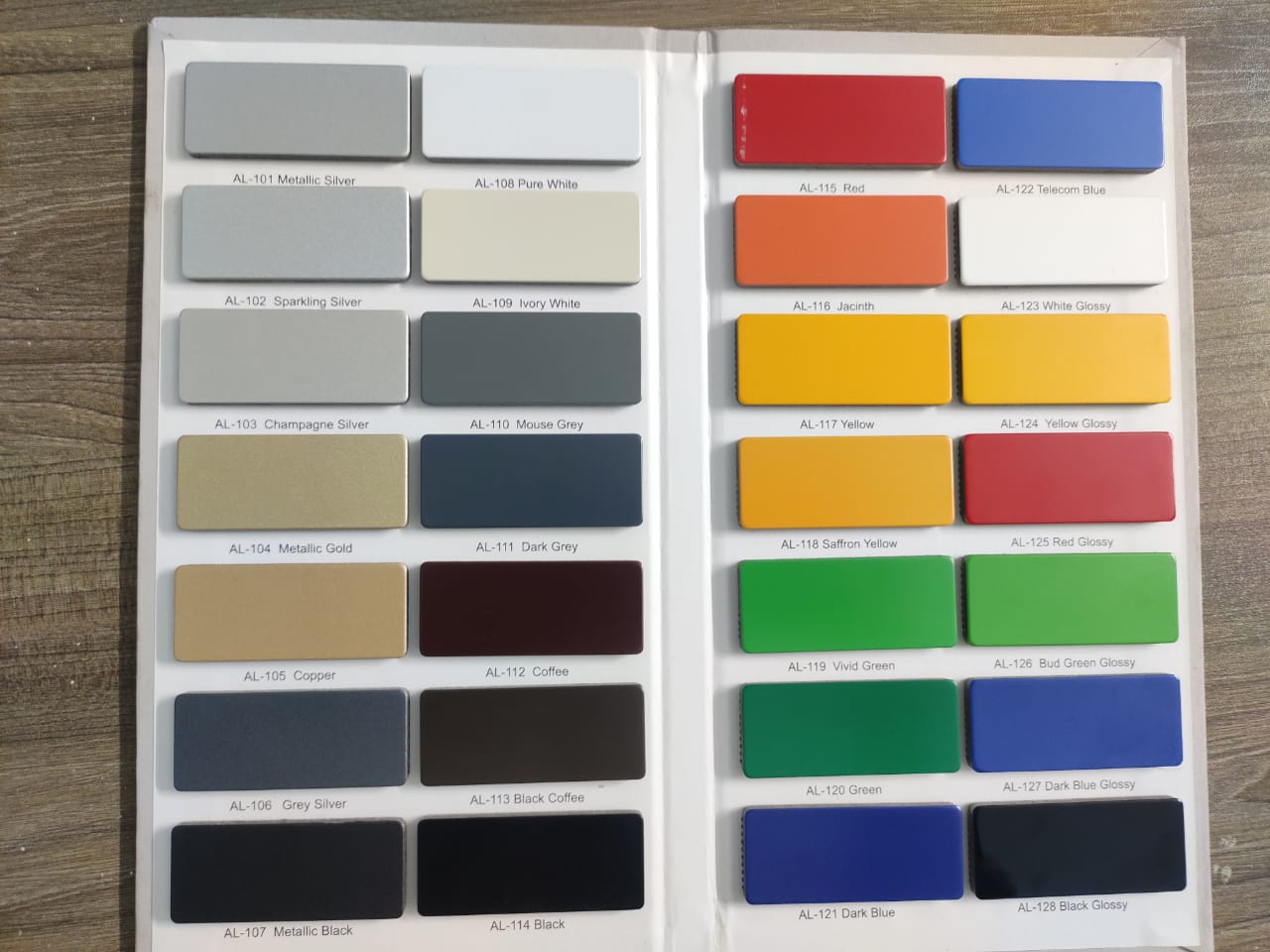
ACPs come pre-finished in various colors, but sometimes, the standard options don’t cut it. A custom paint job allows you to match exact design schemes or trends.
Dents, scratches, or faded panels? A fresh coat of paint can breathe new life into your ACPs without replacing them.
Want a metallic sheen? A textured finish? Painting offers endless possibilities for personalization.
Yes, you can paint ACPs—but let’s break it down.
The smooth, often pre-coated surface of ACPs is both a blessing and a curse. While it makes them visually appealing, it also creates challenges for paint adhesion. Most ACPs are coated with a PVDF or polyester layer, which resists paint naturally.
Paint doesn’t stick to slick surfaces easily. To ensure a durable finish, you’ll need to prep the surface properly. We’ll discuss this in detail below.
Not all paints are ACP-friendly. Some can crack, peel, or simply refuse to stick. Here are your best options:
Known for its durability and smooth finish, polyurethane paint is a top choice. It’s resistant to UV rays and harsh weather, making it ideal for outdoor applications.
Acrylic paints are flexible, quick-drying, and easy to work with. They’re great for DIY projects and provide good adhesion with proper preparation.
Epoxy paints are highly durable and resistant to chemicals. They’re an excellent option for ACPs in industrial settings or high-traffic areas.
You can’t skip prep work when painting ACPs. It’s the foundation for a flawless finish.
Start with a clean slate. Dust, grease, and old coatings can ruin your paint job.
Sanding is non-negotiable. It creates a rough surface for the paint to grip onto.
Primers are your secret weapon for painting ACPs.
With your surface prepped, it’s time to paint!
Your tools can make or break your paint job.
Patience is key here.
Seal the deal with a protective layer.
Even with perfect prep and technique, issues can arise. Here’s how to tackle them:
Painting ACPs isn’t just functional—it opens up a world of creative possibilities.
Not necessarily. For DIY, basic tools like brushes and rollers work. For a professional finish, consider using a spray gun.
Yes! Just ensure you clean, sand, and prime before re-painting. This maintains a durable and smooth finish.
Painting Aluminium Composite Panels is not only possible but can also transform their look and functionality. With the right preparation and materials, you can achieve a durable, stunning finish that meets your aesthetic and practical needs. Remember: prep work is everything. Take your time cleaning, sanding, and priming for a professional result.
Whether you’re revamping a building facade or customizing a sign, a coat of paint can make all the difference. So grab your tools, unleash your creativity, and get painting!