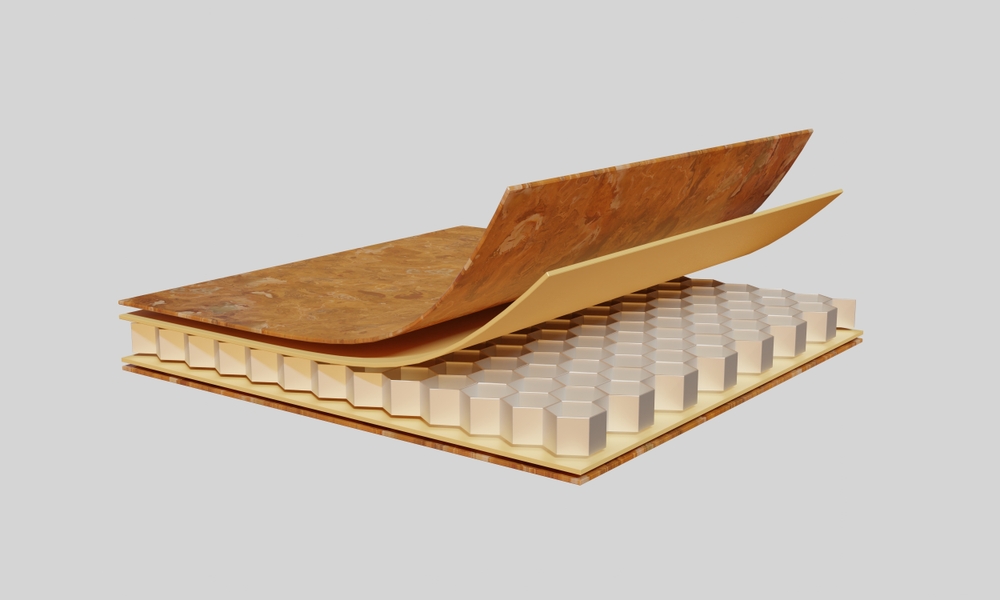
Let’s dive right in—what exactly is an aluminium composite panel, or as the cool kids call it, ACP? Think of it as the multitool of modern construction and design: a sleek sandwich of two aluminium layers surrounding a core (usually polyethylene or mineral). It’s lightweight yet sturdy, flexible yet durable—a true overachiever in the world of building materials.
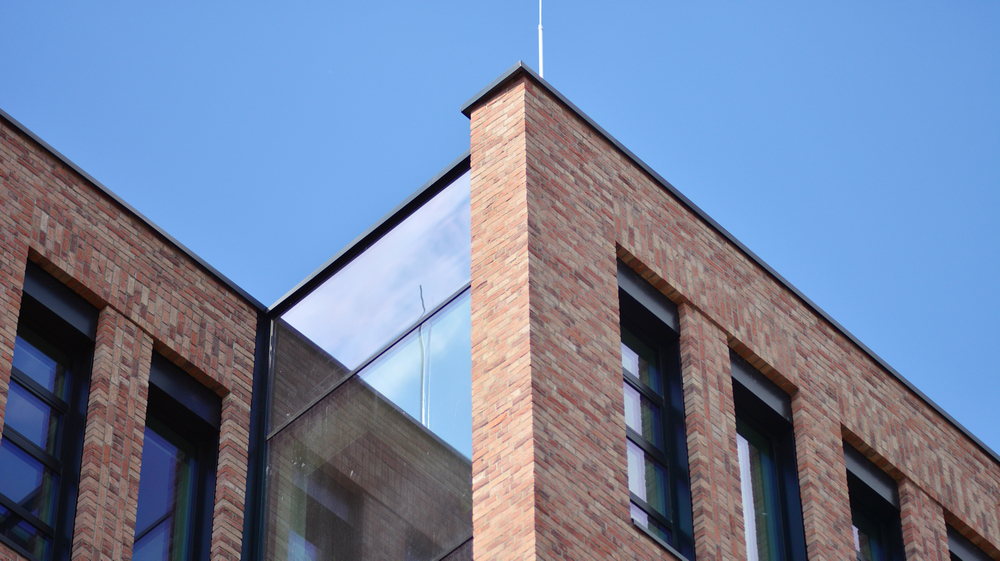
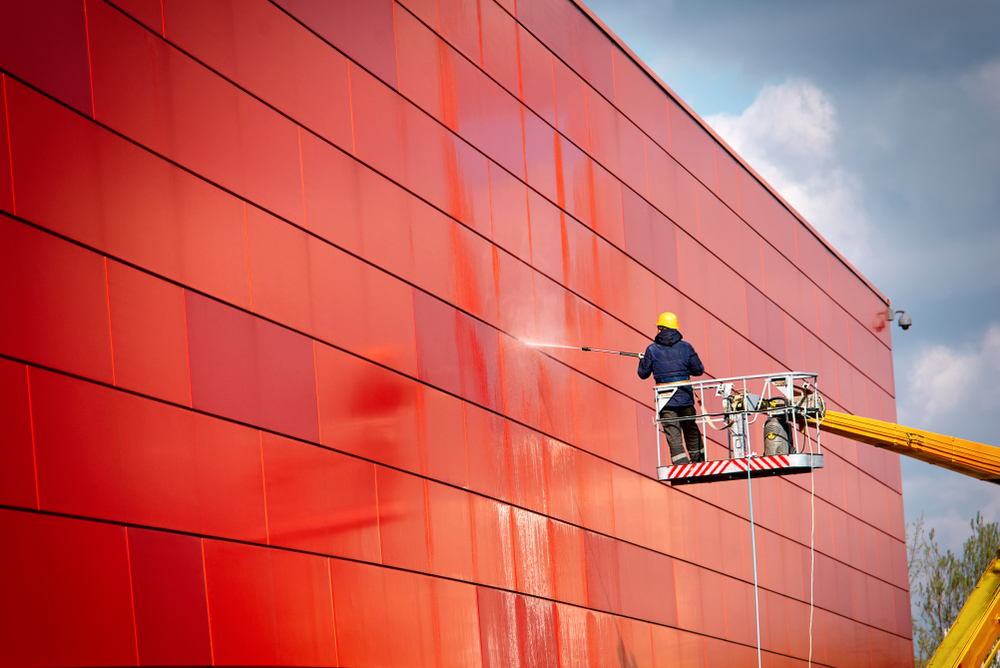
ACP is everywhere. Look up at skyscrapers, and you’ll see it clad across facades. Stroll through a shopping mall, and it’s probably in the signage. It’s a favorite for architects, designers, and engineers alike. But here’s the twist (pun intended)—sometimes ACP needs to bend to fit bold architectural visions or snug into intricate signage designs.
Why bend ACP, you ask? Well, think of it as teaching a straight arrow to curve. Bending allows ACP to achieve organic shapes, meet structural demands, and create visually stunning designs. So, buckle up as we unravel the secrets to bending ACP with finesse.
Before you can bend it, you need to understand it. Let’s break down what makes ACP so unique.
At its core (literally), ACP is a sandwich. It consists of:
Despite its rigid appearance, ACP is surprisingly flexible. This property is what makes it a favorite for curved designs and cladding. Yet, it’s tough enough to withstand weather, wear, and tear—talk about a material with dual personalities!
Not all ACPs are created equal. Their bendability depends on:
Now that we know the “what” and “why,” let’s tackle the “how.” Bending ACP can be an art and a science.
Ever seen those hulking machines in fabrication workshops? That’s your mechanical bender.
Pro Tip: To avoid creases or cracks, ensure the panel’s protective film stays on during the process. And don’t rush—smooth and steady wins the race!
If you’re tackling a small project and can’t justify industrial machines, manual bending might work.
CNC (Computer Numerical Control) machines are like the Michelangelo of ACP bending—they carve, fold, and bend with unmatched precision.
Bending ACP isn’t just about brute force—it’s an art that requires care. Here’s what to watch out for:
To bend ACP like a pro, you need the right tools. Here’s a quick rundown:
| Tool | Purpose | Pros | Cons |
| Press Brakes | Precise angle bends | Consistency, efficiency | Expensive |
| V-Groove Routers | Clean, sharp folds for intricate designs | High precision | Steep learning curve |
| Rolling Machines | Smooth, curved bends | Ideal for arcs | Limited to curves |
| Heat Guns | Aids in hot bending | Reduces risk of cracking | Time-consuming |
Even seasoned pros can slip up. Here are some common pitfalls:
Yes, but be cautious. Manual bending works for small projects, but uneven results are a risk.
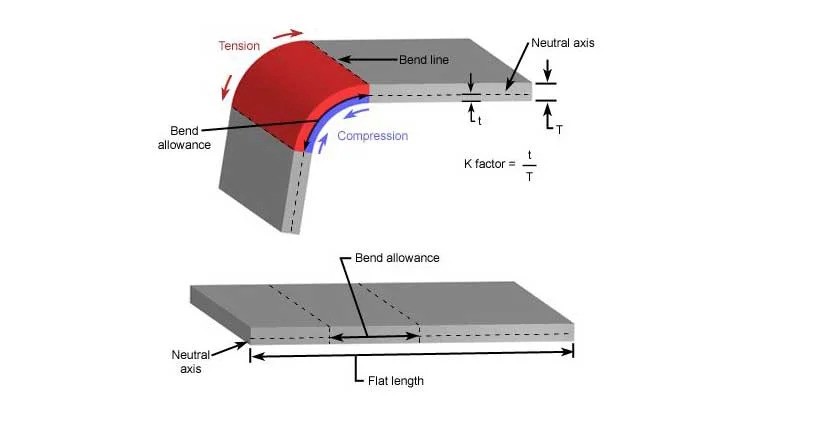
The minimum radius depends on the panel’s thickness. As a rule of thumb, don’t bend tighter than 20 times the panel’s thickness.
Not if done correctly. Improper techniques, however, can lead to delamination or cracks.
Want to see ACP bending at its finest? Check out these examples:
Design trends increasingly embrace fluid, organic shapes—ACP is the perfect canvas.
Sometimes bending isn’t the best option. Consider these alternatives:
Bending aluminium composite panels is both an art and a science. It requires the right tools, techniques, and a fair bit of patience. By understanding ACP’s properties, following best practices, and learning from common mistakes, you can achieve bends that are as functional as they are beautiful.So, whether you’re designing a futuristic building, crafting eye-catching signage, or just experimenting with materials, ACP’s flexibility has you covered—literally and figuratively. As they say, bend it like... ACP!