Natural stone cladding is an elegant and durable choice for home exteriors, offering a timeless aesthetic appeal. However, when it comes to wooden homes, there are unique challenges and considerations to address. Can wooden homes handle natural stone cladding effectively? This comprehensive guide explores the feasibility, benefits, challenges, and best practices for using natural stone cladding on wooden structures.
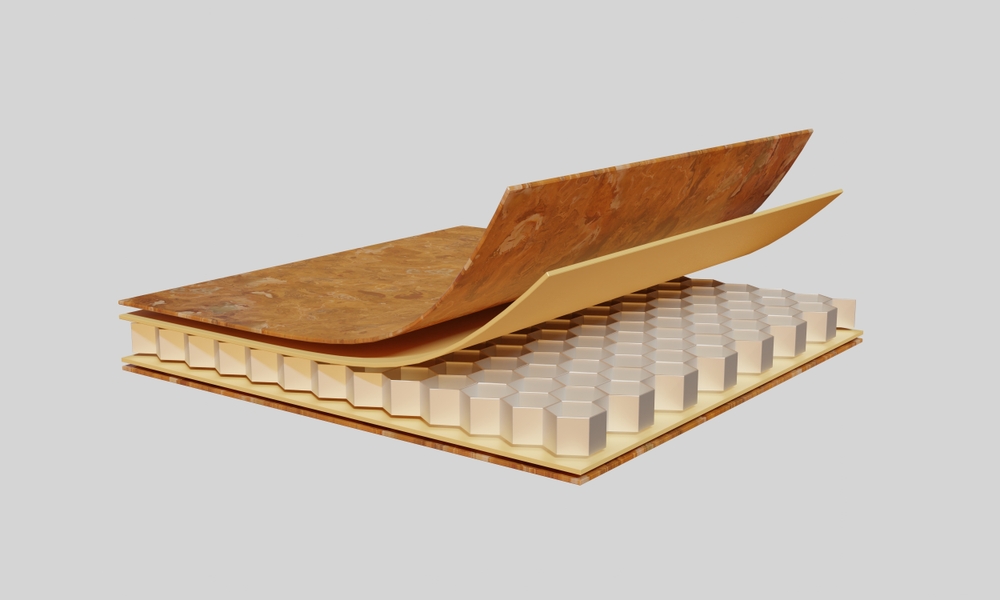
Natural stone cladding refers to the application of a thin layer of natural stone to a building’s exterior or interior walls. This method combines the beauty of stone with a more lightweight structure, making it a popular choice for residential and commercial buildings alike.
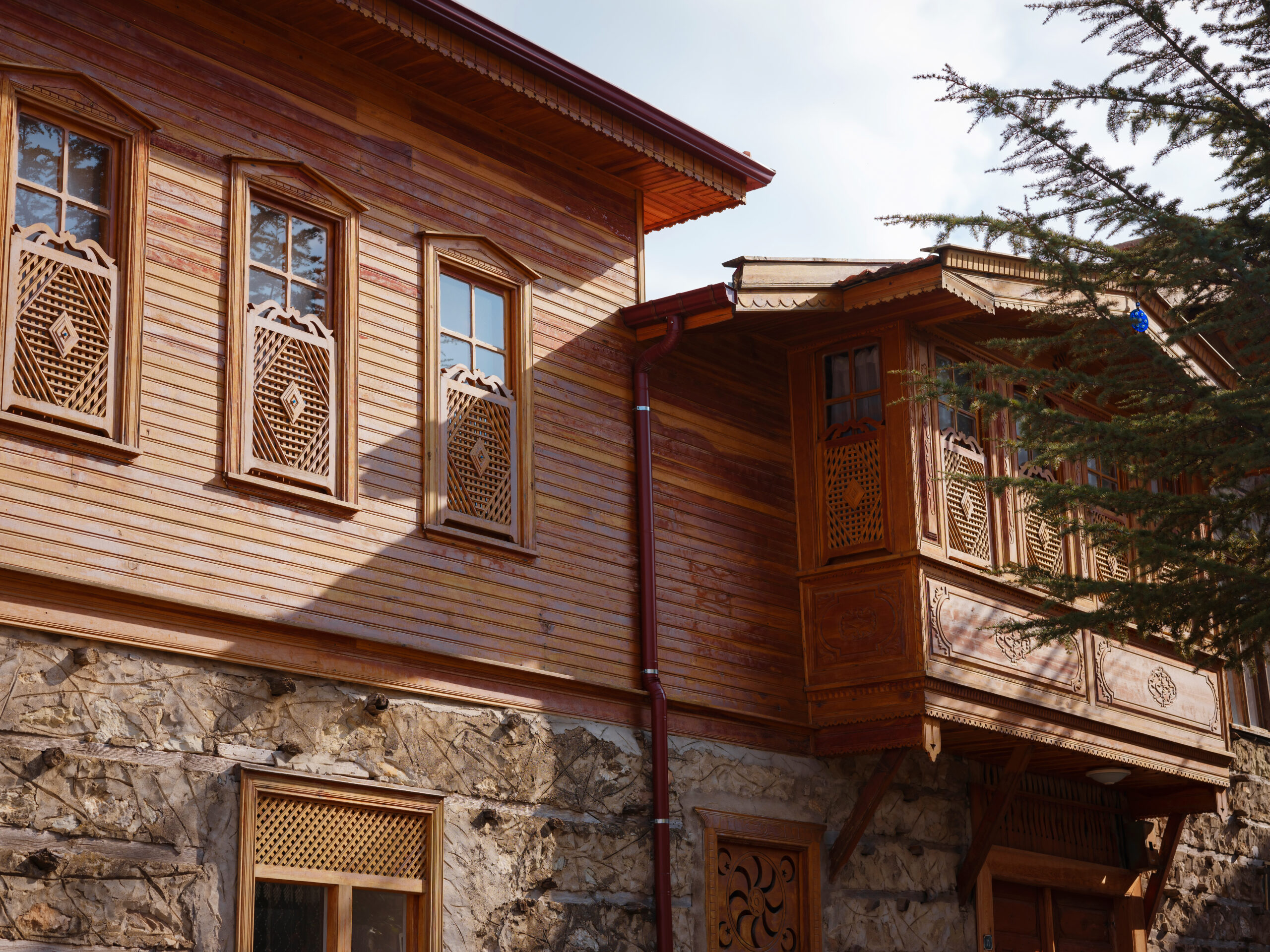
Wooden homes can handle natural stone cladding, but they require specific structural, environmental, and maintenance considerations. Wood and stone are vastly different materials, each with unique properties that must be reconciled for successful cladding installation.
Natural stone cladding transforms the appearance of wooden homes, offering a luxurious and modern touch that increases curb appeal and property value.
When installed correctly, stone cladding protects the underlying wooden structure from weather, UV rays, and physical damage.
Stone’s ability to retain and slowly release heat can improve the energy efficiency of a wooden home, reducing heating and cooling costs.
Homes with natural stone cladding often have higher market appeal, making this investment worthwhile for homeowners.
While the benefits are significant, there are several challenges to address:
Natural stone is heavy, and wooden frames may require additional reinforcement to bear the load without compromising structural integrity.
Wood is susceptible to moisture, which can lead to rot and decay. Proper waterproofing measures are essential to prevent water ingress.
Wood naturally expands and contracts with changes in temperature and humidity. This movement can cause stress on the stone cladding and lead to cracks or detachment.
Installing natural stone cladding can be expensive due to material costs and the need for skilled labor.
| Feature | Natural Stone Cladding | Vinyl Cladding | Fiber Cement Cladding |
| Durability | High (decades with care) | Moderate | High |
| Aesthetic Appeal | Luxurious and natural | Limited | Versatile |
| Weight | Heavy | Lightweight | Moderate |
| Cost | Expensive | Affordable | Mid-range |
| Maintenance | Low | Low | Moderate |
Maintenance ensures the longevity of natural stone cladding and the wooden substrate. Here are some tips:
A homeowner in a humid climate opted for lightweight granite cladding on their wooden home. The project included:
The home’s aesthetic appeal was significantly enhanced, and the stone cladding provided excellent protection against weather conditions. Regular maintenance ensured long-term durability, and the project increased the property’s market value by 15%.
Yes, but additional considerations, such as waterproofing and proper anchorage, are necessary in extreme climates.
The cost varies by stone type, labor, and region. Expect to pay $15–$50 per square foot on average.
Yes, lightweight stone veneers offer a similar appearance with reduced weight and cost.
So, can wooden homes handle natural stone cladding? Absolutely—with the right preparation, materials, and maintenance. While there are challenges, such as weight and moisture management, these can be mitigated through thoughtful design and installation techniques. Natural stone cladding not only enhances the beauty of wooden homes but also adds value and durability, making it a worthwhile investment for homeowners seeking both functionality and aesthetics.