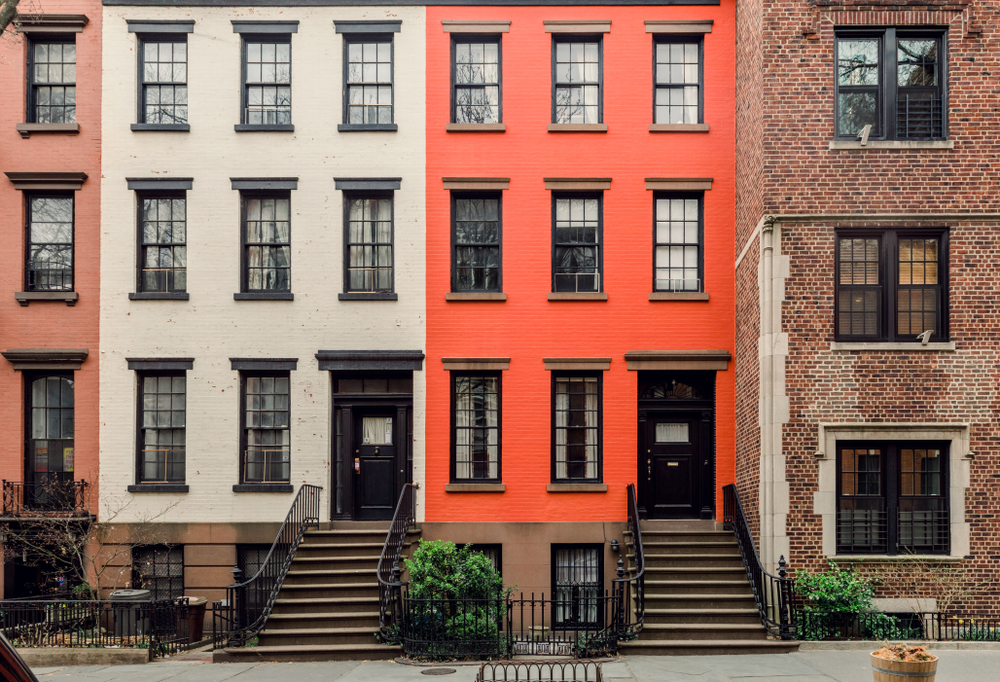
Brownstone facades have long been a defining feature of the architectural landscape in cities like New York, where these iconic structures have graced neighborhoods for over a century. However, the inherent fragility of brownstone, a type of sandstone, means that regular maintenance and restoration are crucial to preserving their structural integrity and timeless aesthetic.
Brownstone facade restoration is a highly specialized process that requires a deep understanding of the material, historical preservation practices, and regulatory requirements. By undertaking a comprehensive restoration, homeowners and property managers can not only enhance the curb appeal of their buildings but also contribute to the preservation of a city's architectural heritage.
Brownstone is a sedimentary rock characterized by its warm, reddish-brown hue, which made it a popular choice for residential and commercial facades in the 19th century. This natural stone is prized for its aesthetic appeal, but its porous nature also makes it susceptible to weathering, erosion, and other forms of deterioration over time.
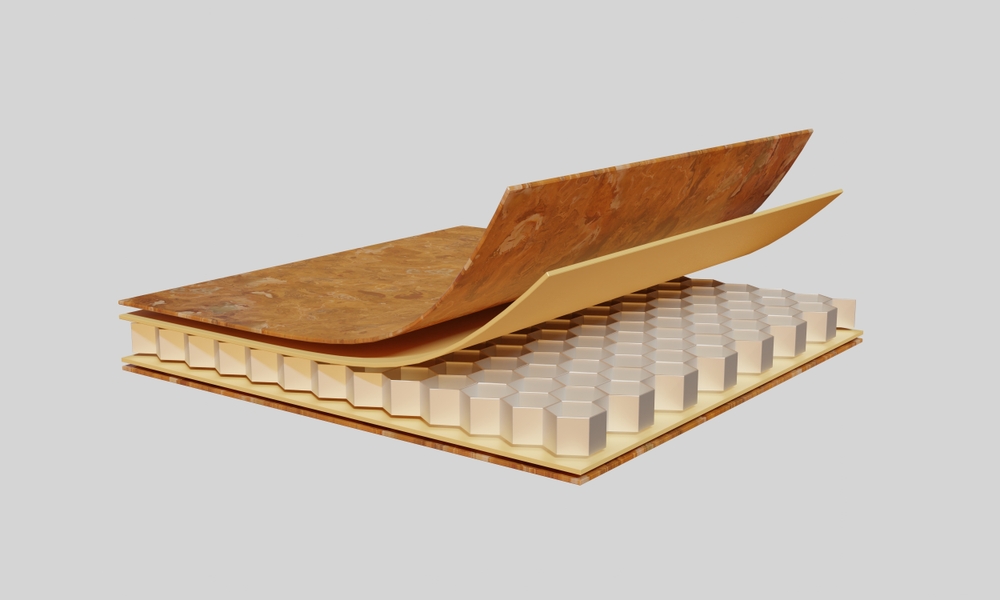
The typical brownstone facade consists of several layers, each serving a specific purpose:
Understanding the layered composition of a brownstone facade is essential for developing an effective restoration strategy that preserves the original materials and design while addressing any underlying structural issues.
Restoring a brownstone facade is a complex and meticulous undertaking that requires a multi-step approach. The process typically involves the following key stages:
The first step in the restoration process is a comprehensive assessment of the existing facade. This includes:
Thorough documentation of the facade's existing condition is crucial, as it provides a baseline for the restoration work and ensures compliance with any regulatory requirements.
In many cities, such as New York, brownstone buildings are often located within historic districts and are subject to strict preservation guidelines. Before any restoration work can begin, property owners must obtain approval from the relevant regulatory bodies, such as the Landmarks Preservation Commission (LPC).
The restoration plan must be submitted for review, detailing the proposed methods, materials, and colors to be used. Adhering to these regulatory requirements is essential to ensure the preservation of the building's historic character and integrity.
Proper surface preparation is a critical step in the restoration process, as it lays the foundation for the successful application of new materials. This typically involves:
The goal of this stage is to create a sound, stable surface that will effectively support the new restoration materials.
The actual restoration of the brownstone facade typically involves the application of multiple layers of specialized materials, each serving a specific purpose:
Each layer must be approved by the relevant regulatory bodies, such as the LPC, to ensure compliance with preservation standards.
After the final brownstone coat has been applied, it must be allowed to cure for several weeks to ensure its durability and long-term performance. During this time, any necessary finishing touches, such as the restoration of decorative elements or the application of protective sealants, are completed.
The final result is a brownstone facade that not only looks visually stunning but also has the structural integrity to withstand the test of time.
The cost of brownstone facade restoration can vary significantly, depending on a range of factors. Some of the key elements that influence the overall project budget include:
On average, the cost of brownstone facade restoration can range from $50,000 to $200,000, depending on the specific factors mentioned above. While this investment may seem substantial, it is crucial to recognize the long-term benefits of preserving these iconic structures.
Investing in the restoration of a brownstone facade yields a range of benefits, both for the property owner and the broader community:
Brownstone facades are a vital component of the architectural identity of many cities, particularly in areas like New York City, where these structures have been a defining feature for over a century. By restoring and maintaining these facades, property owners are contributing to the preservation of the city's historical character and cultural legacy.
A well-executed brownstone facade restoration can significantly increase the market value of a property. Prospective buyers often place a premium on buildings with well-maintained, historically accurate facades, recognizing the investment and effort required to achieve this level of restoration.
A beautifully restored brownstone facade can dramatically enhance the curb appeal of a building, adding to the overall aesthetic of the surrounding neighborhood. This, in turn, can contribute to increased property values and a more vibrant, desirable community.
Brownstone is a porous material that is susceptible to weathering and deterioration over time. Proper restoration techniques, such as the application of protective coatings and reinforcement of the underlying structure, can help to ensure the long-term structural integrity of the facade, preventing more costly repairs in the future.
By preserving and restoring existing brownstone facades, property owners are contributing to the sustainability of their communities. Rather than demolishing and replacing these historic structures, restoration efforts help to reduce waste and conserve the embodied energy and resources invested in the original construction.
Brownstone facades, particularly those located in historic districts, are subject to strict regulatory requirements and oversight. Property owners must navigate a complex landscape of preservation guidelines and approval processes to ensure the success of their restoration projects.
In New York City, for example, the Landmarks Preservation Commission (LPC) is the primary regulatory body responsible for overseeing the restoration of buildings within designated historic districts. Property owners must submit detailed restoration plans for review and approval, ensuring that the proposed methods, materials, and colors are in keeping with the building's historical character.
Failure to comply with these regulations can result in significant delays, fines, and the potential requirement to undo or modify restoration work that does not meet the LPC's standards. As such, it is crucial for property owners to engage experienced professionals who are well-versed in historic preservation practices and the specific regulatory requirements of their local jurisdiction.
Selecting the appropriate contractor for a brownstone facade restoration project is a critical decision that can have a significant impact on the success and cost-effectiveness of the endeavor. When evaluating potential contractors, property owners should consider the following key factors:
By carefully vetting potential contractors and selecting a partner with the necessary experience and expertise, property owners can increase the likelihood of a successful brownstone facade restoration project that preserves the building's historic character and enhances its long-term value.
Brownstone facade restoration is a crucial undertaking for preserving the architectural heritage and vibrant character of cities like New York. By understanding the complexities of the restoration process, the associated costs, and the importance of navigating the regulatory landscape, property owners can make informed decisions that contribute to the sustainability and desirability of their communities.
Engaging experienced professionals who specialize in historic preservation is essential for ensuring the success of a brownstone facade restoration project. With the right approach and attention to detail, property owners can transform their buildings, enhancing their curb appeal, increasing their market value, and safeguarding the timeless charm of these iconic structures for generations to come.