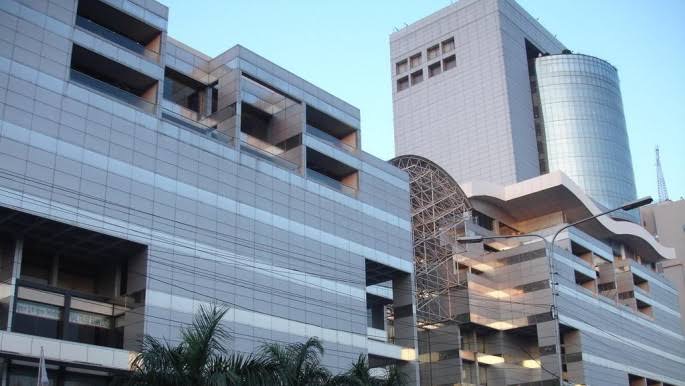
Facade architecture represents the harmonious fusion of aesthetics and utility, seamlessly blending visual allure with pragmatic functionality to craft enduring and purposeful built landscapes. Its significance in urban development cannot be overstated, as it molds the character of cityscapes and enriches the architectural legacy of communities.
Functioning as the intermediary between internal spaces and the external environment, the facade assumes a pivotal role in defining a building's outward appearance and its interaction with its surroundings. Yet, beyond its superficial role, the facade embodies a multifaceted significance within architectural discourse.
Throughout history, facades have transcended mere ornamentation to convey the essence of a structure, symbolizing its societal status, intended function, and stylistic ethos. They serve as poignant reflections of the prevailing cultural, social, and technological milieu, encapsulating the spirit of their era in their design and execution.
In contemporary architecture, facade design stands as a cornerstone of innovation and sustainability, profoundly influencing the functionality, efficiency, and aesthetic appeal of modern buildings. Beyond mere visual allure, the facade plays a pivotal role in addressing pressing environmental concerns, enhancing occupant comfort, and fostering sustainable practices.
At the forefront of contemporary design, facades are meticulously crafted to respond to the dynamic needs of urban environments. They serve as active interfaces, regulating solar heat gain, maximizing natural light penetration, and optimizing energy performance through advanced material selection and integrated technologies.
Moreover, in an era characterized by rapid urbanization and dwindling resources, facade design emerges as a catalyst for sustainable development. Buildings are increasingly conceptualized with passive design strategies, harnessing natural elements to reduce energy consumption and mitigate environmental impact. From green roofs to photovoltaic arrays, facades serve as canvases for innovation, seamlessly integrating sustainable features into the architectural fabric.
Furthermore, in the realm of smart buildings, facades are imbued with intelligence, incorporating responsive systems that adapt to changing environmental conditions and user preferences. From dynamic shading systems to interactive facades, contemporary designs prioritize flexibility and user-centricity, enhancing occupant well-being and productivity.
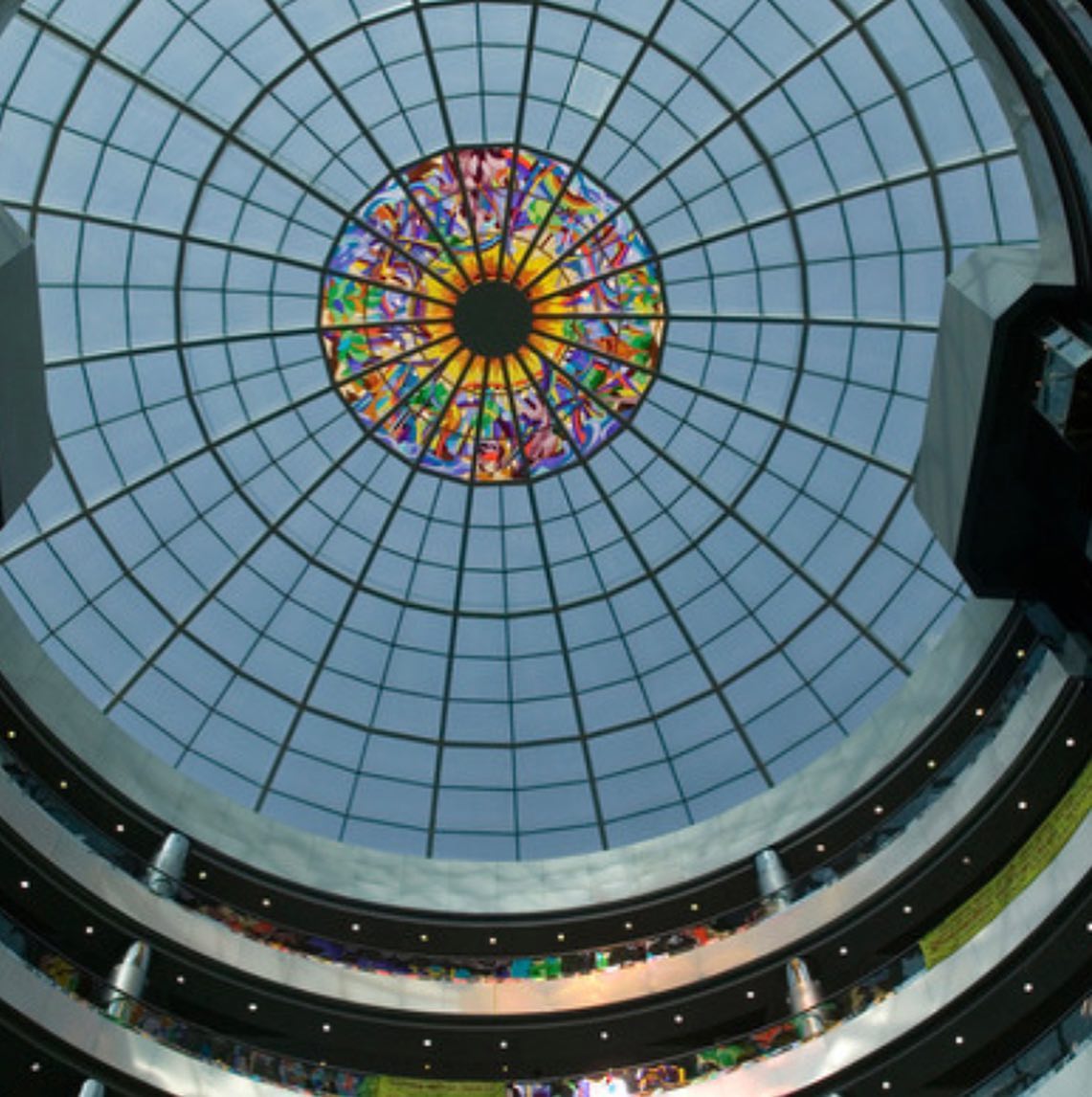
The evolution of dome glass designs represents a captivating journey through architectural ingenuity, technological advancement, and aesthetic innovation. From ancient marvels to modern wonders, the evolution of dome glass designs is a testament to humanity's quest for beauty, functionality, and engineering prowess.
Ancient Origins:
Dome structures have a rich history dating back millennia, with early civilizations such as the Romans and Byzantines showcasing remarkable feats of dome construction in structures like the Pantheon and Hagia Sophia. While these early domes were typically constructed of stone or brick, small circular glass panes called "oculi" were sometimes incorporated to introduce natural light.
Medieval Revival:
During the medieval period, the knowledge of glassmaking and structural engineering progressed, leading to the revival of dome designs in grand cathedrals and religious buildings across Europe. Intricately crafted stained glass windows adorned these domes, transforming them into celestial displays of light and color, such as the Sainte-Chapelle in Paris and the Duomo di Santa Maria del Fiore in Florence.
Industrial Revolution:
The Industrial Revolution ushered in a new era of technological innovation, providing architects and engineers with the tools to push the boundaries of dome glass design. Advancements in glass production, such as the development of float glass techniques in the late 19th century, enabled the creation of larger and more intricate glass panels.
Modern Marvels:
In the 20th and 21st centuries, dome glass designs have reached new heights of complexity and sophistication. Innovations in structural engineering, such as the use of lightweight materials and computer-aided design software, have enabled the construction of monumental glass domes that defy gravity and imagination.
Contemporary dome glass structures, like the Reichstag Dome in Berlin and the Louvre Pyramid in Paris, serve as iconic symbols of modern architecture, seamlessly blending form and function. These structures harness natural light to create awe-inspiring interior spaces while showcasing the beauty and versatility of glass as a building material.
Looking ahead, the evolution of dome glass designs continues to unfold, driven by advancements in sustainable architecture, digital fabrication, and biomimicry. As architects and designers continue to push the boundaries of innovation, the future promises even more daring and visionary dome glass structures that captivate the imagination and inspire wonder.
Dome glass structures come in various styles and types, each serving different purposes and exhibiting unique architectural features. Here are several examples:
Each style and type of dome glass structure offers its own set of advantages and can be tailored to meet specific architectural and functional requirements.
Dome glass in residential buildings can offer a unique architectural feature with several benefits:
However, it's essential to consider potential drawbacks such as cost, maintenance requirements, and potential issues with glare and solar heat gain in warmer climates. Additionally, proper insulation and shading solutions may be necessary to mitigate heat loss/gain and glare issues associated with dome glass structures.
Dome glass, often referred to as dome skylights or simply skylights, serves various purposes in commercial buildings. Here are some of the primary uses:
Overall, the use of dome glass in commercial buildings offers a range of benefits, from energy efficiency and aesthetics to indoor comfort and brand differentiation. However, it's essential to consider factors such as location, climate, building function, and maintenance requirements when incorporating dome glass into the design. Exploring the captivating world of dome glass designs within the facade architecture of Dtech Corporation reveals a fusion of innovation, functionality, and aesthetic allure. These intricate designs not only serve as visually striking elements but also demonstrate Dtech's commitment to pushing the boundaries of architectural possibilities. From the seamless integration of technology to the harmonious blending of form and function, each dome glass design tells a unique story of ingenuity and creativity. As we marvel at the beauty of these structures, we are reminded of the endless possibilities that lie ahead in the realm of architectural design. With Dtech Corporation leading the way, the future of facade architecture promises to be as breathtaking as it is groundbreaking.