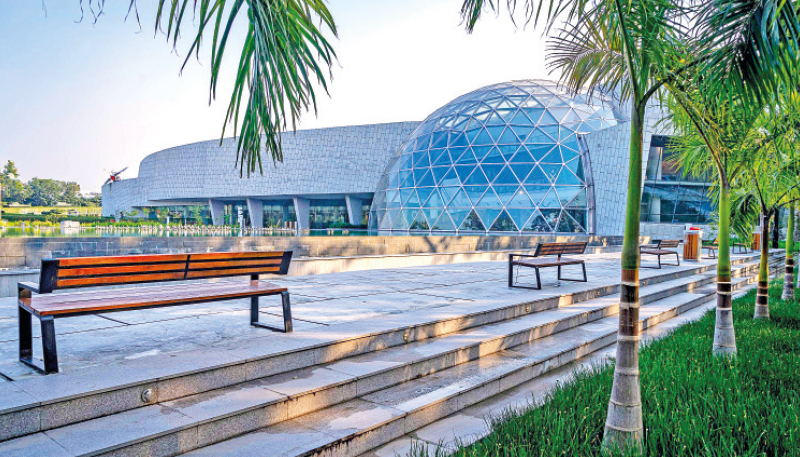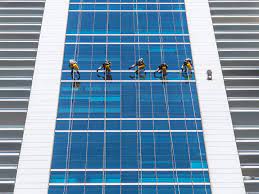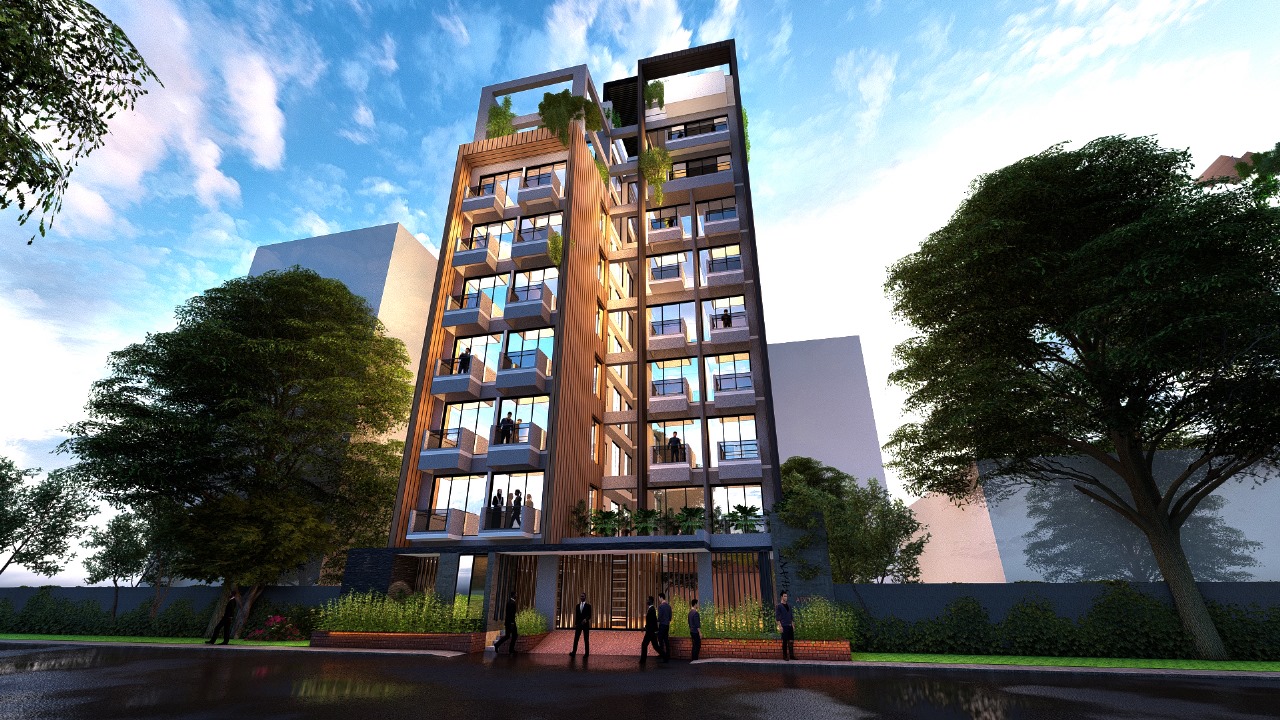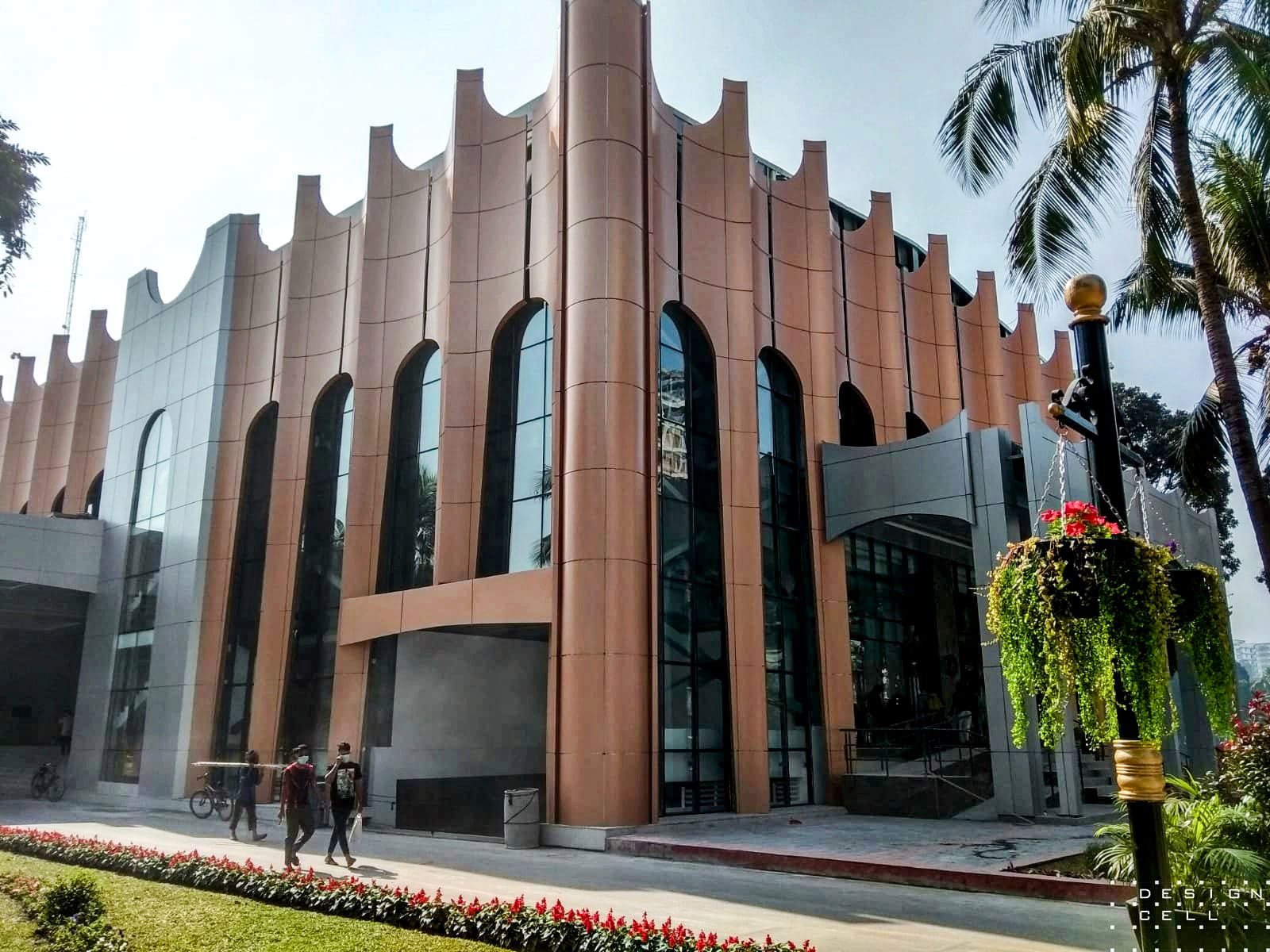
In modern architecture, the facade holds a pivotal role in shaping a building's identity and character. It serves as the face of a structure, often defining its visual appeal and functionality. In recent years, the concept of facade design has undergone a remarkable transformation, evolving from a mere structural component to a dynamic canvas for architectural innovation and creativity. This transformation has been particularly evident in Bangladesh, where Dtech Corporation has emerged as a pioneering force in redefining architectural aesthetics through its innovative facade works. In this discourse, we delve into the essence of facade design, exploring its significance and the transformative impact it can bring to architectural landscapes, with a special focus on Dtech Corporation's contributions in Bangladesh.
A "facade" in architecture is the outer wall of a building, typically with doors or windows, especially the front one. Originally, facades were mainly for practical use, like support and weather protection, but now they're also about looks, environment, and culture.
Aesthetic Appeal: Facades serve as the visual representation of a building's design ethos and architectural style. They play a crucial role in shaping the overall aesthetic appeal of a structure, making it visually striking and memorable. With advancements in design technology and materials, architects now have unprecedented freedom to experiment with facade designs, ranging from sleek and minimalist to ornate and avant-garde.
Environmental Considerations: In an era marked by growing environmental awareness, facades play a vital role in enhancing a building's sustainability and energy efficiency. Innovative facade solutions, such as green facades and solar panels, not only reduce carbon footprint but also contribute to improved indoor comfort and air quality.
Socio-Cultural Significance: Facades often reflect the cultural identity and values of a community or region. Architectural elements, such as motifs, colors, and materials, can evoke a sense of place and heritage, fostering a deeper connection between the built environment and its inhabitants.
Facades play a crucial role in defining the visual identity of a building and can significantly impact its overall aesthetic appeal. Here are some ways facades contribute to bringing a new look in architecture:
Facades come in various types, each offering unique aesthetic, functional, and structural characteristics. Let's explore some of the most common types of facades:
The evolution of facade design has brought about a paradigm shift in the way we perceive and experience architecture. Beyond its functional and aesthetic dimensions, facade design has the power to transform urban landscapes, revitalize neighborhoods, and inspire social interaction. By pushing the boundaries of creativity and innovation, architects and developers can harness the transformative potential of facades to create iconic landmarks and sustainable urban environments.
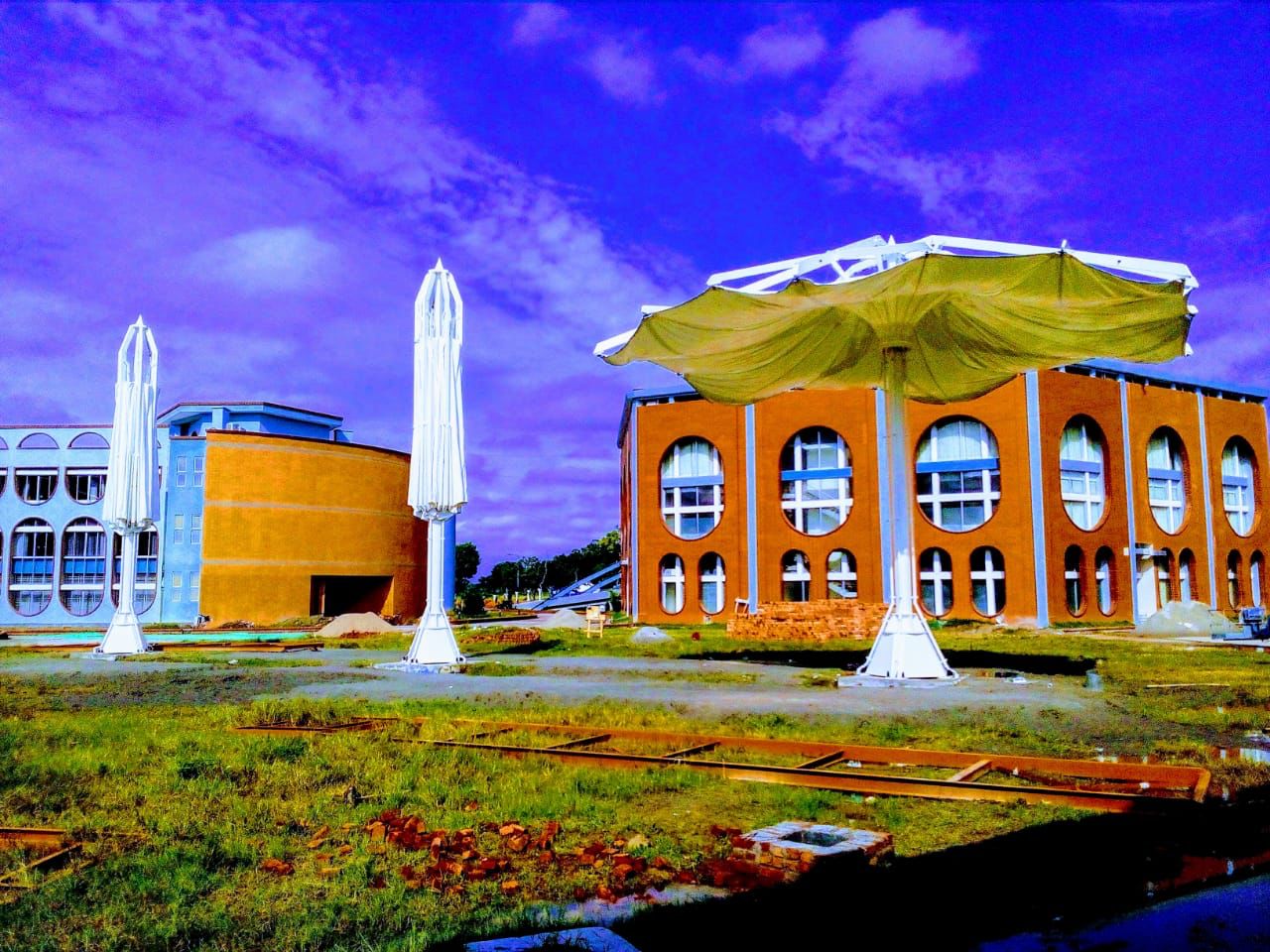
The BGB Darbar Hall project is a monumental endeavor aimed at revitalizing and preserving one of the most culturally significant sites in Bangladesh. Located within the Bangladesh Garment Building (BGB) complex, the Darbar Hall holds immense historical and architectural value.
The project's primary objective is to restore the Darbar Hall to its former glory while incorporating modern amenities and infrastructure to ensure its relevance for generations to come. This restoration effort encompasses meticulous attention to detail, including refurbishing intricate artworks, preserving original structural elements, and integrating state-of-the-art technology for enhanced functionality.
Beyond its architectural significance, the Darbar Hall project symbolizes a commitment to honoring Bangladesh's rich heritage and fostering a deeper appreciation for its cultural legacy. Upon completion, the revitalized Darbar Hall will serve as a beacon of cultural pride and a vibrant hub for artistic expression, community gatherings, and educational initiatives.
As the curtains rise on the BGB Darbar Hall, may it serve as a symbol of pride for DTECH Corporation, showcasing not only your technical prowess but also your enduring commitment to shaping a better future through innovation.
The transformation brought about by Dtech Corporation's facade works extends beyond the realm of aesthetics. By reimagining the built environment, these projects have catalyzed urban renewal and economic development, breathing new life into neglected neighborhoods and public spaces. Moreover, the visually striking facades serve as catalysts for social interaction and community engagement, fostering a sense of pride and belonging among residents and visitors alike.
Despite the immense potential of facade design to reshape architectural landscapes, several challenges persist. These include regulatory constraints, budgetary limitations, and the need for interdisciplinary collaboration. However, with proper planning, innovative thinking, and stakeholder engagement, these challenges can be overcome, paving the way for a more sustainable and visually appealing built environment.
In conclusion, the facade represents more than just the external face of a building—it embodies the aspirations, values, and identity of a community. Through innovative design, sustainable practices, and a deep understanding of local context, facade design has the power to transform architectural landscapes, redefine urban environments, and inspire social change. Dtech Corporation's pioneering work in Bangladesh exemplifies this transformative potential, offering a glimpse into a future where architecture transcends mere utility to become a catalyst for positive change. As we continue to push the boundaries of creativity and innovation, let us embrace the transformative power of facade design to create a more beautiful, sustainable, and inclusive built environment for generations to come.